
The audio-visual industry is changing rapidly as businesses, educational institutions, entertainment companies, and smart homes adopt more connected technologies. Several AV Trends Shaping the industry are focused on improving communication, automation, collaboration, and user experiences. From artificial intelligence and wireless connectivity to immersive displays and intelligent meeting rooms, modern audio-visual systems are becoming smarter and more flexible. These developments are changing how people communicate, work, learn, and consume digital content.
What AV Trends Are Shaping Smart Systems?
New trends in AV are changing smart audio and video setups. People focus more on fast links, hands-off routines, tailored experiences, and stronger results. In older rooms, teams often had to use many stand-alone boxes. They also dealt with tangled control panels and settings. Today, many systems bring screens, speakers, cameras, mics, network gear, and software into one setup. This makes it easier to manage everything from one place.
With smart AV, the system can change its own settings. It can also link devices on its own. Users then get a simpler way to steer what they need, for both sound and video. You can see this shift in offices, meeting spaces, classrooms, entertainment sites, and homes.
Artificial Intelligence in Audio-Visual Technology
AI is showing up in more AV setups today. With it, AV gear can read what is happening in a room, sort out audio input, tune what you see on screen, and handle some tasks on its own. In a meeting space, cameras with AI can follow a person as they speak. At the same time, smart microphones can pick out speech and cut down noise from the room. Displays can also be adjusted by AI, depending on the light in the area and the type of content being shown.
All of this means less time spent on manual tweaks. It can also make the end result steadier for people using the system.
Wireless AV Connectivity
Wireless technology is another major development in the audio-visual industry. Businesses and consumers increasingly want to connect laptops, smartphones, tablets, displays, speakers, and other devices without relying on complicated cable arrangements.
Wireless AV systems can make it easier to set up meeting rooms and entertainment areas. People can send video and other content from supported devices to room displays. They can also work together without running cables between every device. As wireless networks get better, many organizations can create simpler AV setups. This can cut down on installation work too. It may also make the whole system feel more flexible day-to-day.
Immersive Displays and Visual Experiences
Display tech keeps getting better. New panels bring clearer detail, bigger screen sizes, and brighter output. Many models also use display formats that feel more lifelike. For work meetings, movies, lessons, and digital signs, these screens can make visuals easier to see and more enjoyable. In stores and offices, large LED screens show up more often. In schools, interactive boards help teachers and students work with the content. Team rooms also use this kind of display. With these tools, people can touch and respond to what is shown, not just watch.
There are also immersive options for tech beyond basic screens. Virtual reality and augmented reality can run on newer visual systems. Other interactive uses can build on the same improvements. This opens up new paths for training, games, and product demos.
Smart Meeting Rooms
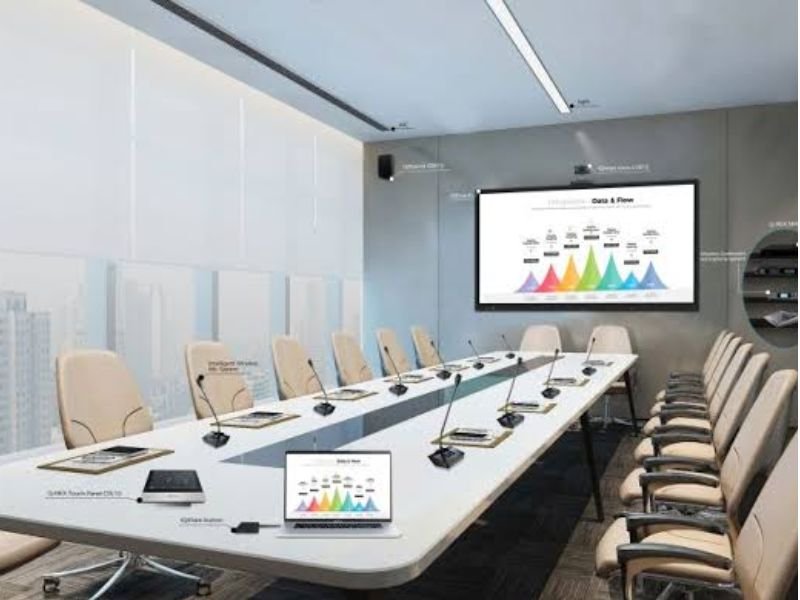
A major AV trend in today’s offices is the rise of smart meeting rooms. Many teams are adding cameras, mics, screens, speakers, and teamwork apps in the same space. The goal is to make meetings run with less hassle. These rooms can handle routine steps on their own. They may adjust camera view, manage mic settings, switch what shows on the display, and help with room booking. In some setups, sensors notice when someone walks in and then turn on the right tools.
Because of this, it is often simpler to begin a meeting. It also helps cut down on tech problems. This matters even more for groups where people work from different spots or alternate between locations.
Cloud-Based AV Management
Cloud tools are changing how AV gear gets handled. Techs no longer have to show up at each site. Admins can check on devices and adjust settings from a distance, as long as the hardware supports it. With cloud control, teams can see how a unit is doing. They can review update progress, watch basic performance, and spot early signs of trouble. This helps when a company has many places to cover, like offices, classrooms, shops, or event sites.
Remote support can also speed up fixes. The tech team may notice a fault before people in the room notice it. Then maintenance can be planned and handled sooner.
AV and Hybrid Collaboration
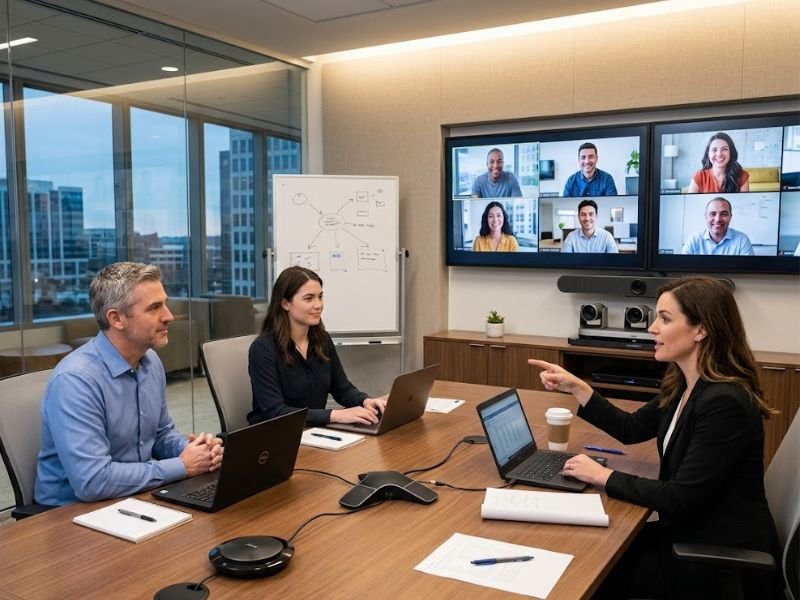
Remote and hybrid work changed what audio-visual tools need to do. Staff now join calls from offices, homes, and other spots. That means the setup has to keep communication clear and dependable. AV gear today is built to work well for both groups at once. People who are in the room should have a smooth experience. Remote attendees should also be able to hear the discussion and view the slides without trouble. Good cameras, mics, speakers, and screens for sharing can make this easier.
Hybrid work is not going away. Because of that, audio-visual tech will still matter for how coworkers talk and meet at work.
Energy Efficiency and Sustainable AV Systems
More teams now think about energy use when they plan new AV setups. Big screens, audio gear, control boxes, lights, and network devices can draw a lot of power. In response, makers are pushing hardware that uses less energy. They are also adding power controls that help cut waste. When a room sits empty, these setups can drop gear into low-power modes on their own.
Sustainability in AV is not only about power. It can also mean buying equipment that lasts longer. Some teams also cut extra hardware they do not need. They may plan designs so upgrades are possible, instead of swapping the whole system.
Personalized Audio-Visual Experiences
People are also looking for personalization in AV tech. New systems can shift what you see and hear. They can change screen options, audio volume, and other settings. They use user choices or what is happening in the room. You can see this in places like theaters and retail spaces. When the content fits the audience, people feel more involved. In offices, it helps too. Staff can set up meeting rooms fast, based on what they need.
As AI tools and connected devices improve, this kind of adjustment may show up more often in AV setups.
The Role of 5G and Advanced Networking
Quicker networking tools are helping teams build more connected AV setups. With fast networks, it is easier to move clear video and clean audio. It also lets several devices stay online at the same time. 5G and newer Wi-Fi can fit well when you need quick messages and short delay. They can help with wireless screen sharing. They can also back remote teamwork, real time video feeds, and linked displays. Other AV tasks that need steady speed can use these same links.
Because of that, dependable network systems will still be a key base for what comes next in audio and video.
AV Trends Shaping the Future
The future of the industry will likely involve greater integration between AV hardware, artificial intelligence, cloud platforms, networking, and smart building technologies. The AV Trends Shaping this future are moving the industry away from isolated devices toward connected ecosystems.
Newer AV setups could start checking how well they work on their own. They might tune their settings without asking, and they could react to what a person wants. At the same time, better software links may help make tough AV setups simpler for people who are not technical. As more AV devices get online and use cloud services, organizations will have to pay more attention to security. Good sign-in controls will matter, along with safe software updates. Devices will also need protection on the network, plus clear rules for who can access what.
Conclusion
The audio and video space is moving into a new phase that feels more linked up. You can see it in cameras that use AI, rooms built for meetings, and displays that pull you in. Add wireless links, cloud control, and gear that uses less power, and you get changes that are showing up everywhere. That includes offices, schools, live events, and even home setups.
Teams that pay attention to these shifts can plan with more clarity. Instead of just picking one device at a time, many groups now try to build a full system. The goal is to keep it simple to run, grow it later if needed, protect it from threats, and offer a better experience for the people using it.