
Introduction
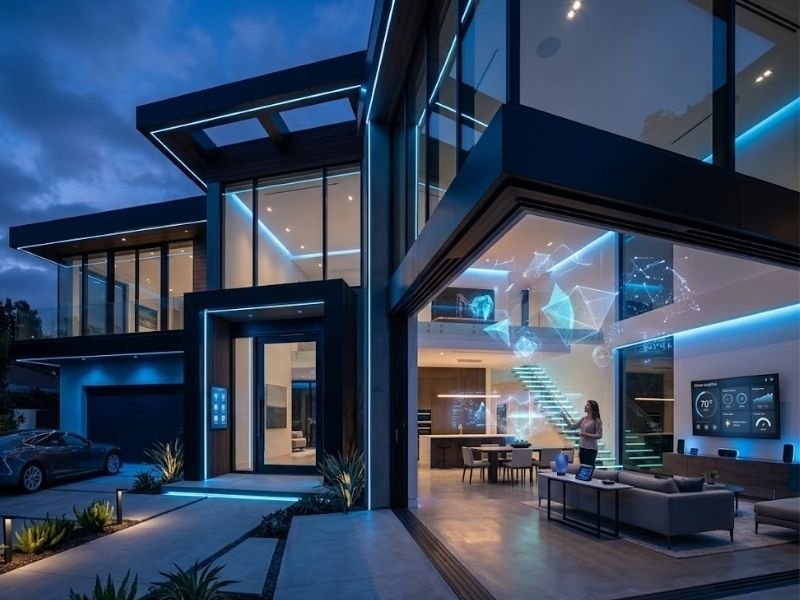
Smart Home Technology is changing the way people live, work, relax, and manage their homes in 2026. From intelligent lighting and connected security cameras to smart thermostats and voice-controlled appliances, modern homes are becoming more responsive and convenient. The growth of smart home devices has made it easier for homeowners to control different parts of their properties from smartphones or voice assistants. At the same time, home automation technology is helping people automate everyday routines, while connected home systems allow multiple devices to communicate and work together. As these technologies continue to improve, the idea of a truly intelligent home is becoming more practical for everyday users.
What Is Smart Home Technology?
Smart Home Technology refers to connected devices and systems that allow homeowners to monitor, control, or automate different functions inside a property. These technologies can include lighting, heating and cooling, entertainment, security, appliances, door locks, and energy management. Instead of manually controlling every device, homeowners can use mobile applications, voice commands, schedules, or automated routines.
For example, smart lights can be scheduled to turn on at a particular time, while a smart thermostat can adjust the temperature according to a household’s preferences. The main purpose is not simply to add more technology to a home. The goal is to make everyday tasks more convenient, efficient, and manageable.
How Smart Home Devices Are Changing Daily Life
Modern smart home devices can make small everyday tasks much easier. Smart lighting systems allow users to control brightness and schedules from a phone. Smart plugs can help manage traditional appliances remotely. Smart speakers can provide voice-controlled access to compatible services.
Security devices are another major part of the smart home market. Cameras, doorbells, motion sensors, and smart locks can give homeowners more ways to monitor their properties. These devices can be especially useful for people who want greater control over their homes while they are away. However, every device connected to the internet also creates potential security considerations, so users should choose reputable products and keep their software updated.
The Growth of Home Automation Technology
Home automation technology has moved beyond simple timers and remote controls. Modern systems can connect multiple devices and create automated routines based on schedules, sensor information, or user commands. For example, a homeowner might create a routine that turns off selected lights, adjusts the thermostat, and locks connected doors when they leave the house.
Automation can also reduce repetitive tasks. Instead of remembering to perform the same actions every evening, homeowners can create routines that handle them automatically. The quality of automation depends on the devices, software, connectivity, and configuration used in the home.
Connected Home Systems Explained
Connected home systems allow different smart products to communicate through a shared network or compatible ecosystem. This can make a smart home easier to manage because users do not necessarily need to control every device separately. A connected system could bring together lighting, security, climate control, entertainment, and appliances.
Compatibility is important when building such a system. Not every product works with every platform, so homeowners should check compatibility before buying multiple devices. Industry standards and improved interoperability are also helping create more flexible smart-home ecosystems.
Smart Home Technology and Home Security
One of the strongest reasons people adopt Smart Home Technology is improved awareness of home security. Smart cameras can allow homeowners to check activity remotely, while connected doorbells can provide notifications when someone approaches the entrance. Smart locks may provide keyless access and allow users to manage permissions digitally.
Motion sensors can also contribute to automated security routines. For example, a system could send a notification when unexpected movement is detected. Although smart security products can provide useful features, they should not be considered a complete replacement for responsible security practices. Strong passwords, two-factor authentication, software updates, and secure Wi-Fi networks remain important.
Energy Efficiency and Smart Homes
Another important advantage of modern Smart Home Technology is its potential to help manage energy consumption. Smart thermostats can help homeowners control heating and cooling according to schedules and preferences. Smart plugs and energy-monitoring devices can provide information about how certain appliances are being used.
Automated lighting can also reduce unnecessary electricity use by turning lights off when they are not needed. These features do not guarantee lower energy bills because results depend on the home, equipment, climate, and user behavior. However, better visibility and automation can make it easier for homeowners to identify inefficient habits and make adjustments.
Artificial Intelligence in Smart Homes
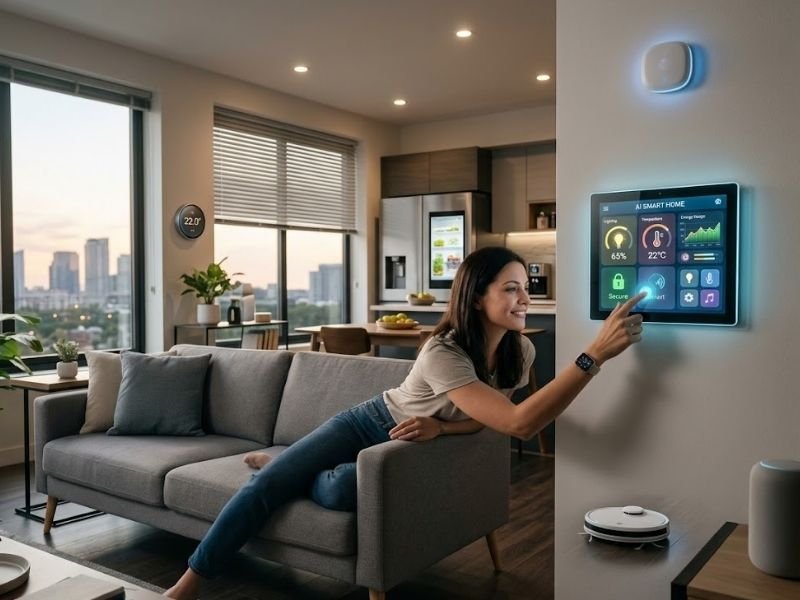
Artificial intelligence is becoming increasingly important in smart-home products. AI can potentially help systems understand patterns, recognize certain events, and provide more personalized experiences. Instead of requiring users to manually configure every setting, future systems may become better at adapting to household routines.
For example, an AI-powered system could potentially learn preferred temperature settings or recognize typical activity patterns. However, AI-powered automation also makes privacy an important consideration. Users should understand what information their devices collect, where it is processed, and how it is stored.
Smart Home Technology and Voice Control
Voice control remains a convenient way to interact with smart devices. Users can give commands to compatible speakers, phones, or other devices to control lights, music, thermostats, and other functions. Voice interfaces can be particularly useful when someone’s hands are occupied.
However, voice assistants may not always understand commands correctly, especially in noisy environments. Users should also review microphone and privacy settings to understand how voice data is handled.
Benefits of Smart Home Technology
There are several reasons why homeowners are adopting Smart Home Technology.
Convenience: Devices can be controlled remotely or automatically.
Automation: Repetitive tasks can be handled through schedules and routines.
Security awareness: Connected cameras, sensors, and doorbells can provide notifications and remote monitoring.
Energy management: Smart controls can provide greater visibility into household energy use.
Accessibility: Voice control and automated functions can make certain tasks easier for people with different needs.
However, these benefits depend on proper installation, compatibility, reliable connectivity, and responsible use.
Challenges of Smart Home Devices
Despite their advantages, smart home devices are not perfect. Internet connectivity problems can affect cloud-dependent features. Different brands may use different ecosystems, creating compatibility issues. Privacy is another concern because connected devices can collect information about household activity.
Security should also be taken seriously. Weak passwords or outdated software can create unnecessary risks. Cost is another factor. Purchasing several premium devices can become expensive, especially when additional hubs, subscriptions, or accessories are required. Before investing in a smart-home ecosystem, consumers should consider both the initial price and long-term costs.
Choosing the Right Home Automation Technology
When selecting home automation technology, homeowners should start with their actual needs. Someone primarily interested in security may benefit from cameras, sensors, and smart locks. Someone focused on energy management may prefer a smart thermostat and energy-monitoring products.
It is usually better to begin with a few useful devices rather than purchasing many products without a clear purpose. Compatibility should also be checked carefully. Choose products that can work together and receive regular software support. A simple, reliable system is often more useful than a complicated setup filled with features that are rarely used.
The Future of Connected Home Systems
The future of connected home systems will likely involve greater interoperability, improved AI capabilities, better energy management, and more personalized automation. Smart devices may become better at communicating with one another without requiring complicated setup. AI could also help homeowners manage multiple systems through simpler commands.
Energy efficiency is likely to remain an important area as homeowners look for better ways to monitor and control consumption. At the same time, privacy and cybersecurity will become increasingly important as more household devices become connected. The future smart home will not simply be about having more gadgets. It will be about creating technology that works quietly and effectively in the background.
Conclusion
Smart Home Technology is transforming modern homes by bringing automation, connectivity, security, and convenience into everyday routines. From smart home devices and intelligent security products to advanced home automation technology and connected home systems, homeowners now have more control over their living environments than ever before. While these technologies offer significant benefits, users should also consider privacy, cybersecurity, compatibility, and long-term costs. As AI and connected technologies continue to improve, smart homes are likely to become more intuitive, efficient, and useful in the years ahead.
FAQs
What is Smart Home Technology?
Smart Home Technology includes connected devices and systems that allow homeowners to control or automate functions such as lighting, security, heating, entertainment, and appliances.
What are the most common smart home devices?
Common smart home devices include smart lights, cameras, doorbells, locks, thermostats, speakers, plugs, sensors, and connected appliances.
Is home automation technology expensive?
It can vary significantly. Basic automation can be relatively affordable, while advanced systems involving multiple devices, hubs, and subscriptions can cost considerably more.
Are connected home systems secure?
They can be secure when properly configured, but users should use strong passwords, enable two-factor authentication where available, update software regularly, and secure their home network.
Can smart home technology save energy?
It can help homeowners monitor and automate energy use, but actual savings depend on the home’s equipment, usage patterns, climate, and how the technology is configured.
Will AI make smart homes more intelligent?
AI could make smart homes more responsive by helping systems understand patterns, automate routines, and provide more personalized experiences.