

Introduction
Orthodontic treatments have evolved significantly, offering more effective ways to straighten teeth and improve smiles. One of the most commonly used tools in modern orthodontics is the power chain brace. https://techbillion7.com/These small yet powerful components play a crucial role in closing gaps, aligning teeth, and speeding up treatment. If you are considering braces or are already undergoing orthodontic treatment, understanding how power chain braces work can help you feel more confident and prepared. In this article, we will explain everything you need to know about power chain braces, including their purpose, benefits, and how they function.
What Are Power Chain Braces?
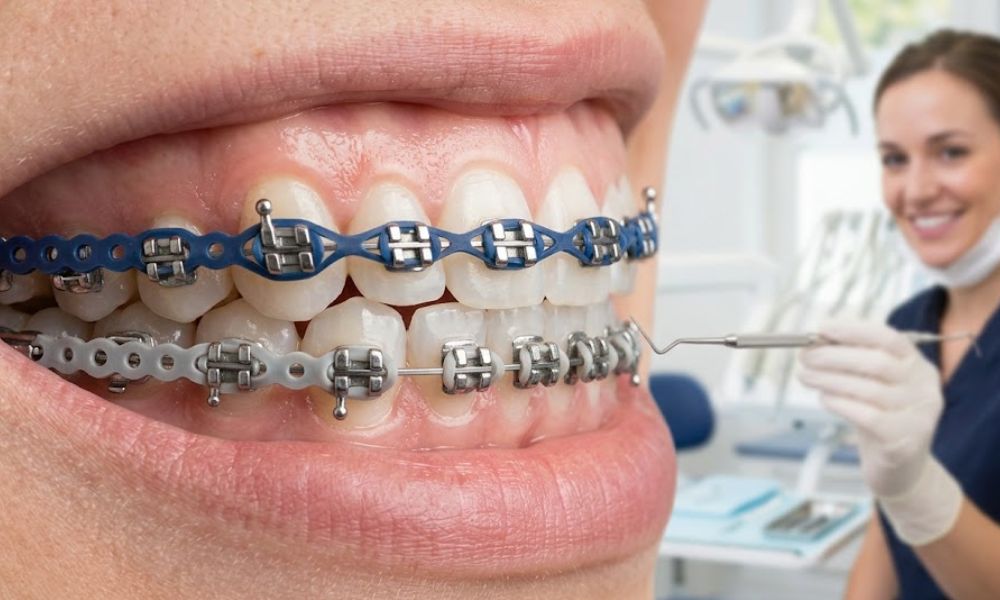
Power chain braces are elastic chains made from a flexible material that connect multiple brackets together. Unlike regular elastic bands that are placed individually, power chains are designed as a continuous strip. Orthodontists use power chain braces to apply consistent pressure across several teeth at once. This helps move teeth more efficiently, especially when closing gaps or correcting alignment issues. They are available in different styles, including closed, short, and long chains, depending on the spacing between teeth.
How Do Power Chain Braces Work?
The main function of power chain braces is to create steady and uniform pressure on the teeth. This pressure gradually shifts the teeth into their desired position over time. When the orthodontist attaches the power chain to your braces, it connects each bracket in a row. This connection allows force to be distributed evenly, making tooth movement more controlled and effective. The consistent tension provided by power chain braces helps close spaces faster compared to traditional elastics.
Types of Power Chain Braces
There are different types of power chain braces, each designed for specific orthodontic needs.
Closed Power Chains
These have no gaps between the loops and are used when teeth are close together. They provide maximum force and are ideal for closing small spaces.
Short Power Chains
Short chains have small gaps between loops and are used for moderate spacing issues. They offer a balance between flexibility and strength.
Long Power Chains
Long chains have wider gaps and are used when teeth are further apart. They provide gentle pressure over larger distances.
Why Are Power Chain Braces Used?
Orthodontists use power chain braces for several reasons. One of the main purposes is to close gaps between teeth, especially after tooth extraction or spacing issues. They are also used to improve alignment, correct bite problems, and enhance overall dental aesthetics. By applying consistent pressure, power chain braces help achieve faster and more efficient results compared to standard methods.
Benefits of Power Chain Braces
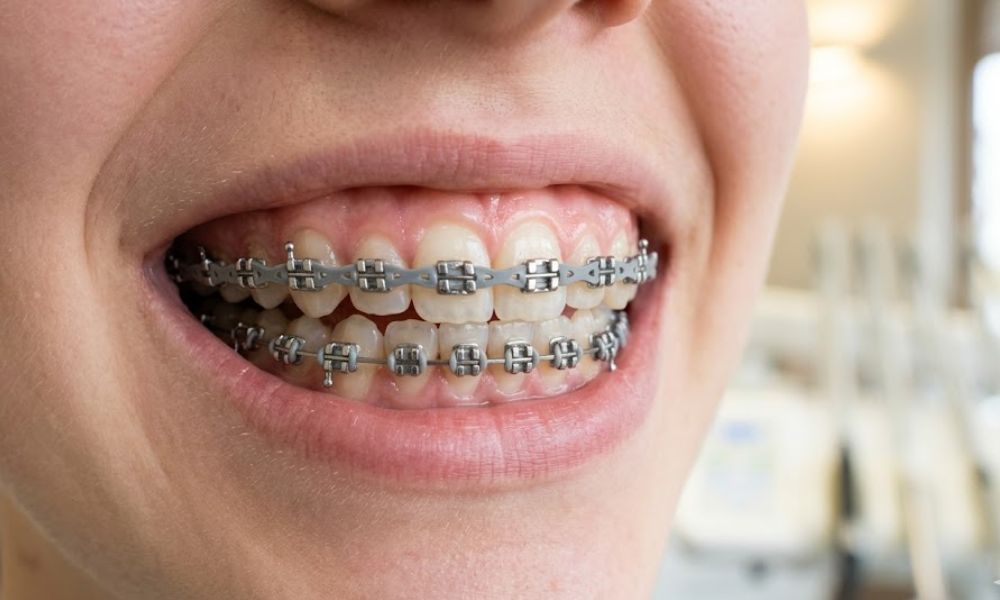
There are many advantages to using power chain braces during orthodontic treatment. One of the biggest benefits is faster gap closure. Since the chain applies continuous pressure, it reduces treatment time. Another advantage is improved alignment, as the chains help move multiple teeth simultaneously. Additionally, power chain braces are available in various colors, allowing patients to personalize their braces and make the experience more enjoyable.
Do Power Chain Braces Cause Pain?
It is normal to experience some discomfort when power chain braces are first applied or adjusted. This is because the teeth are being moved into new positions. The pain is usually mild and temporary, lasting a few days after each adjustment. Over-the-counter pain relief and soft foods can help manage discomfort. Most patients adapt quickly and find the process manageable.
How to Care for Power Chain Braces
Proper care is essential to maintain the effectiveness of power chain braces. Good oral hygiene helps prevent plaque buildup and keeps your teeth and gums healthy. Brush your teeth regularly using a soft-bristle toothbrush and floss carefully around the braces. Avoid sticky and hard foods that can damage the chains. Regular dental check-ups ensure that your power chain braces are working correctly.
How Long Do Power Chain Braces Take to Work?
The duration of treatment with power chain braces varies depending on individual needs. Some patients may see noticeable results within a few weeks, while others may require several months. Factors such as the severity of the dental issue, age, and overall oral health can influence the treatment timeline. Your orthodontist will provide a personalized estimate based on your condition.
Power Chain Braces vs Regular Braces
While both systems are used in orthodontics, power chain braces serve a more specific purpose. Regular braces use individual elastic bands to hold the wire in place, while power chains connect multiple brackets for more efficient movement. This makes power chain braces particularly useful for closing gaps and aligning teeth quickly. They are often used in combination with traditional braces for optimal results.
Conclusion
In conclusion, power chain braces are an essential tool in modern orthodontics, offering a faster and more effective way to align teeth and close gaps. By applying consistent pressure, they help achieve better results in a shorter time. Although they may cause temporary discomfort, the benefits of improved alignment and a beautiful smile make them a valuable part of treatment. With proper care and guidance from your orthodontist, power chain braces can significantly enhance your dental journey.
FAQs About Power Chain Braces
1. What are power chain braces used for?
Power chain braces are used to close gaps, align teeth, and improve bite issues.
2. Do power chain braces hurt?
They may cause mild discomfort initially, but the pain usually fades within a few days.
3. How long do power chain braces stay on?
They can stay on for several weeks or months, depending on your treatment plan.
4. Can I choose colors for power chain braces?
Yes, many orthodontists offer different color options for customization.
5. Are power chain braces effective?
Yes, they are highly effective in speeding up tooth movement and improving alignment.