

Introduction
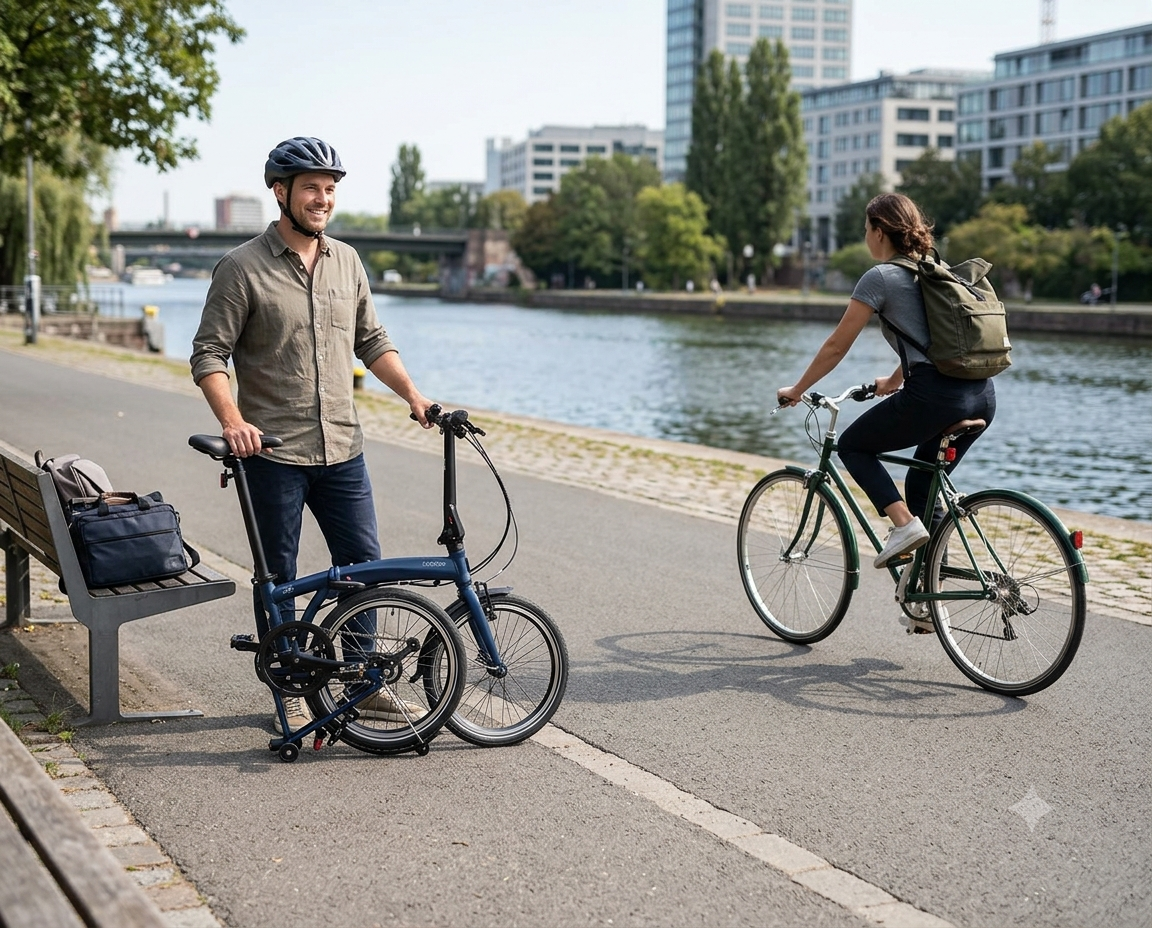
Choosing the right bicycle can be difficult when there are so many options available for commuting, exercise, and everyday transportation. Folding Bikes vs. Traditional Bikes: A Complete Buying Guide for 2026 is an important comparison for anyone trying to decide between portability and conventional cycling performance. A foldable bike can be especially useful for people living in apartments, using public transportation, or dealing with limited storage space, while a traditional bicycle may provide a more familiar riding experience and greater stability on longer journeys. This bicycle comparison explores the main differences between both options, including portability, comfort, performance, maintenance, price, and practicality, so riders can choose the best commuter bike for their individual needs.
Folding Bikes vs. Traditional Bikes: Key Differences
When comparing Folding Bikes vs. Traditional Bikes, the biggest difference is their design. Folding bikes are built with hinges or folding mechanisms that allow the frame to become significantly more compact. Traditional bicycles have fixed frames and are generally designed for straightforward riding without the need for folding components.
A folding bicycle is particularly convenient for urban commuters who need to carry their bike into offices, apartments, trains, buses, or other locations. Traditional bikes, on the other hand, are often preferred by riders who prioritize conventional frame geometry, stability, and longer-distance cycling.
What Is a Foldable Bike?
A foldable bike is a bicycle designed to collapse into a smaller package for easier transportation and storage. Depending on the model, the handlebars, frame, pedals, and wheels may fold or reposition to reduce the overall size.
The compact design provides several practical advantages. Riders can store a folding bicycle under a desk, inside a closet, or in the trunk of a vehicle. This makes it particularly attractive to people living in smaller homes or apartments.
Modern folding bikes are available with different wheel sizes, gearing systems, frame materials, and braking technologies, allowing buyers to select models according to their commuting requirements.
Portability and Storage
Portability is one of the strongest advantages of folding bicycles. A traditional bicycle can be difficult to transport in a small car or crowded public transportation, while a foldable bike can often be carried after being collapsed.
For commuters who combine cycling with trains or buses, this feature can make daily travel considerably easier. Folding bikes also require less storage space, which can be valuable in apartments, offices, and other compact environments.
Traditional bicycles require dedicated storage areas such as garages, bike racks, or outdoor storage. They may also require additional equipment to transport them safely by car.
Comfort and Riding Experience
Comfort is another important factor in this bicycle comparison. Traditional bicycles generally offer a wider range of frame sizes and geometries, allowing riders to find a configuration suited to their height and riding style.
Folding bikes can also be comfortable, but their smaller wheels and compact frames may produce a different riding experience. Some riders enjoy their responsive handling, while others may prefer the smoother feel of a full-size bicycle on long-distance routes.
The best choice depends on where and how frequently the bicycle will be used.
Speed and Performance
For riders interested in speed, traditional bicycles can have an advantage depending on the type of bike being compared. Full-size road and hybrid bicycles often use larger wheels that maintain momentum efficiently over longer distances.
Many folding bikes are designed primarily for urban transportation rather than high-speed performance. However, modern models can still provide excellent performance for commuting, short recreational rides, and city travel.
If your main goal is competitive cycling or frequent long-distance riding, a traditional bicycle may be more suitable. For short urban trips, the performance difference may be less important than portability.
Folding Bikes vs. Traditional Bikes for Commuting
When considering Folding Bikes vs. Traditional Bikes for daily commuting, the right option depends heavily on your transportation routine.
A folding bike can be an excellent choice if you:
- Use buses or trains regularly
- Have limited storage space
- Need to carry your bike into an office
- Frequently travel by car
- Live in an apartment
- Prefer flexible urban transportation
A traditional bicycle may be better if you:
- Have secure bike storage
- Ride longer distances
- Prefer conventional cycling geometry
- Regularly ride on open roads
- Prioritize stability and larger wheels
Understanding your daily route is more important than simply choosing the most popular bicycle type.
Finding the Best Commuter Bike
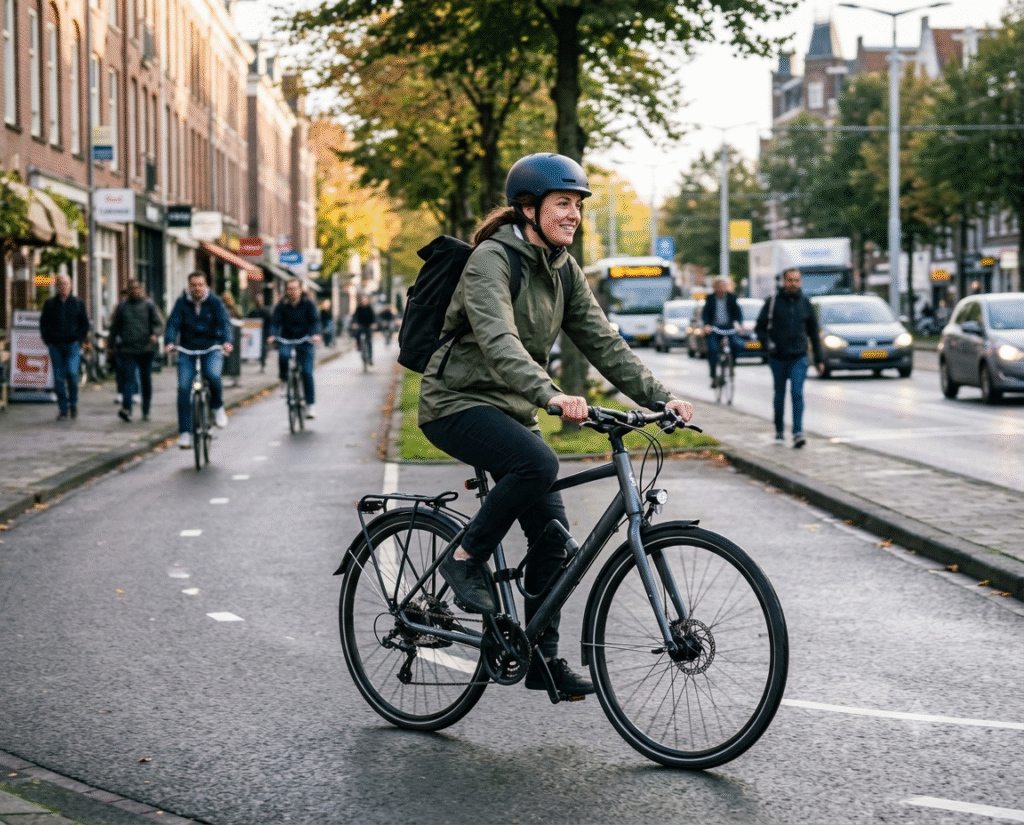
The best commuter bike is not necessarily the most expensive or technologically advanced model. Instead, it should match your lifestyle and daily transportation needs.
Before purchasing, consider the distance of your commute, road conditions, storage availability, weight, gearing, braking system, comfort, and transportation requirements.
If you regularly combine cycling with public transportation, a folding bike can provide exceptional convenience. If you ride directly from home to work and have enough storage, a traditional bicycle may offer a more familiar and comfortable experience.
Maintenance and Durability
Both folding and traditional bicycles require regular maintenance. Brakes, tires, chains, gears, and other components should be inspected periodically.
Folding bikes have additional folding mechanisms that may require attention. Riders should regularly check hinges, locking systems, and other folding components to ensure everything remains secure.
Traditional bicycles have fewer moving frame components, which can make their maintenance somewhat simpler. However, overall durability depends heavily on the quality of the bicycle, riding conditions, and maintenance routine.
Cost and Value
Price varies considerably across both categories. Basic folding bikes can be affordable, while premium models featuring lightweight materials, advanced gearing, and sophisticated folding mechanisms can become expensive.
Traditional bicycles also range from inexpensive entry-level models to high-end professional bikes.
When evaluating value, consider more than the initial purchase price. A bicycle that fits your lifestyle and is used regularly may provide greater long-term value than a cheaper model that is inconvenient to transport or store.
Which Bike Is Better for Urban Riders?
Urban environments often favor compact and practical transportation. This is where folding bikes can have a major advantage.
Their ability to fold allows riders to combine cycling with other forms of transportation. They can also be easier to store in crowded homes and workplaces.
Traditional bicycles remain excellent choices for riders who have dedicated storage and primarily travel by bicycle. Their conventional design can also provide a comfortable experience for longer rides.
How to Choose the Right Bicycle
When making your final decision, ask yourself a few important questions. How far will you ride each day? Do you need to use public transportation? Where will you store the bicycle? Will you carry it frequently? Do you prefer speed, portability, comfort, or versatility?
Answering these questions will make the decision much easier.
For maximum portability, a foldable bike is worth considering. For conventional riding and longer routes, a traditional bicycle may be the better option.
Folding Bikes vs. Traditional Bikes: Final Verdict
Ultimately, Folding Bikes vs. Traditional Bikes is not a competition with one universal winner. Each type serves a different purpose. Folding bikes are excellent for commuters who value portability, compact storage, and transportation flexibility. Traditional bicycles can be better for riders who prioritize conventional handling, longer rides, and a wide selection of frame styles.
The ideal bicycle is the one that fits your transportation habits, budget, storage situation, and riding goals. By comparing these factors carefully, you can choose a bike that provides practical value and enjoyable riding throughout 2026.
Conclusion
The choice between folding and traditional bicycles depends on individual needs rather than a single definition of the perfect bike. A foldable bike offers impressive portability and storage advantages, while traditional bicycles can deliver familiar handling and strong performance for longer rides. This bicycle comparison shows that commuters should focus on their daily routes, transportation options, storage space, comfort requirements, and budget before making a purchase. Whether you choose a folding model or a conventional bicycle, selecting the best commuter bike for your lifestyle can make daily travel more convenient, affordable, and enjoyable.
Frequently Asked Questions
Are folding bikes good for daily commuting?
Yes. Folding bikes can be excellent for daily commuting, particularly when riders need to combine cycling with buses, trains, or car travel.
Is a foldable bike harder to ride than a traditional bicycle?
Not necessarily. Modern folding bikes are designed for comfortable urban riding, although their smaller wheels and compact geometry can feel different from a traditional bicycle.
Which is better for long-distance cycling?
Traditional bicycles are often preferred for longer-distance cycling because their larger wheels and conventional frame designs can provide efficient and comfortable riding over extended distances.
Are folding bikes easy to store?
Yes. One of the main advantages of a foldable bike is its compact storage size. It can often fit into closets, offices, apartments, or vehicle trunks.
What should I consider before buying a commuter bike?
Consider your daily distance, road conditions, storage space, bicycle weight, comfort, gearing, braking system, portability, and budget before choosing your best commuter bike.