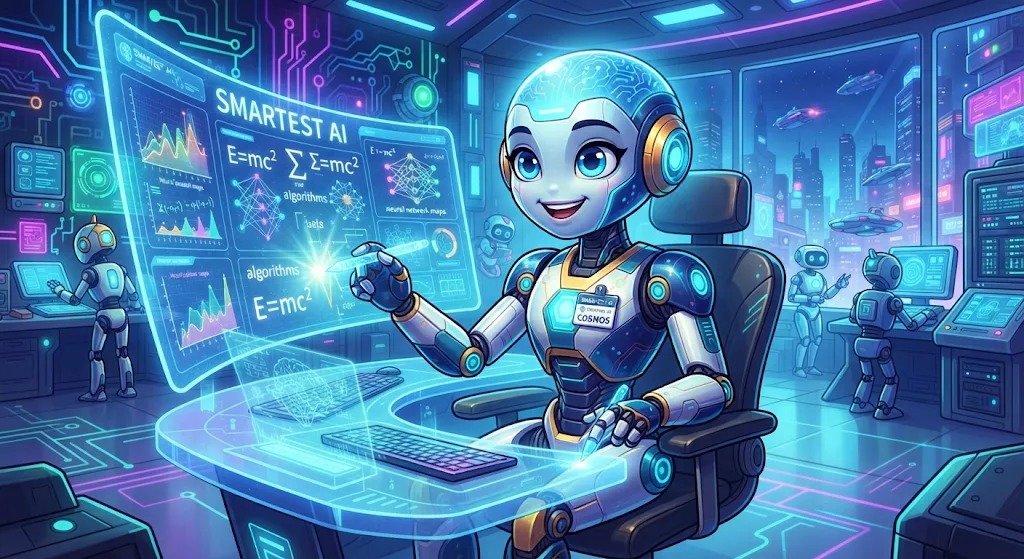

Artificial intelligence is transforming the digital world by making technology smarter, faster, and more efficient. From automated customer support to advanced data analysis, AI is changing how people work, communicate, learn, and run businesses. Today, the smartest AI technologies can understand human language, generate creative content, recognize images, and solve complex problems within seconds. These innovations are creating new opportunities for individuals, companies, and industries worldwide.
As digital technology continues to evolve, AI is becoming an important part of everyday life. Businesses are adopting intelligent tools to improve productivity, while individuals are using AI-powered applications for writing, designing, research, and communication. Understanding these technologies helps us see how artificial intelligence is shaping the future of the digital world.
What Makes Smartest AI Technologies So Powerful?
The smartest AI technologies are designed to process information, recognize patterns, and perform tasks that traditionally require human intelligence. They use advanced algorithms, machine learning, and large datasets to improve their performance.
Unlike traditional software, many AI systems can learn from new information and adapt to different situations. This makes them useful for solving problems, automating repetitive activities, and providing personalized experiences.
Some important capabilities include:
- Natural language understanding and generation.
- Image and video recognition.
- Predictive analytics and data processing.
- Automated decision support.
- Personalized recommendations.
- Intelligent virtual assistance.
These capabilities allow AI to support different industries and improve digital experiences.
The Role of AI in Digital Communication
Communication is one of the areas experiencing major changes because of artificial intelligence. AI-powered chatbots and virtual assistants help businesses communicate with customers more efficiently.
Modern AI systems can understand questions, provide relevant answers, and assist users with different tasks. Businesses use these technologies to handle common customer inquiries, provide product information, and offer support around the clock.
AI translation tools are also helping people communicate across language barriers. They can translate text, summarize conversations, and make international communication easier.
As these technologies improve, digital communication is becoming more accessible, personalized, and efficient.
How AI Is Transforming Content Creation
Content creation has become another important application of artificial intelligence. AI-powered writing tools can help users generate ideas, create outlines, improve grammar, and develop articles for websites and social media platforms.
Image-generation technologies allow designers and marketers to create visual concepts from written descriptions. Similarly, AI video tools can help users produce marketing videos, educational content, and creative presentations.
These tools are especially useful for:
- Bloggers creating SEO-friendly articles.
- Businesses preparing marketing materials.
- Designers exploring creative concepts.
- Social media managers developing content.
- Video creators producing digital campaigns.
However, AI-generated content still requires human review. Creativity, originality, factual accuracy, and audience understanding remain important parts of high-quality content production.
Smartest AI Technologies in Business Automation
Businesses are increasingly using artificial intelligence to automate repetitive tasks and improve daily operations. AI-powered systems can analyze information, organize data, generate reports, and support business decisions.
For example, e-commerce companies use AI recommendation systems to suggest products based on customer interests. Financial organizations use intelligent systems to identify unusual transactions and assess potential risks.
AI automation can also improve inventory management, customer relationship management, and marketing campaigns.
By reducing manual work, businesses can focus more on planning, customer satisfaction, and long-term growth. Small businesses can also benefit from affordable AI tools that help them compete in the digital marketplace.
The Impact of AI on Education and Learning
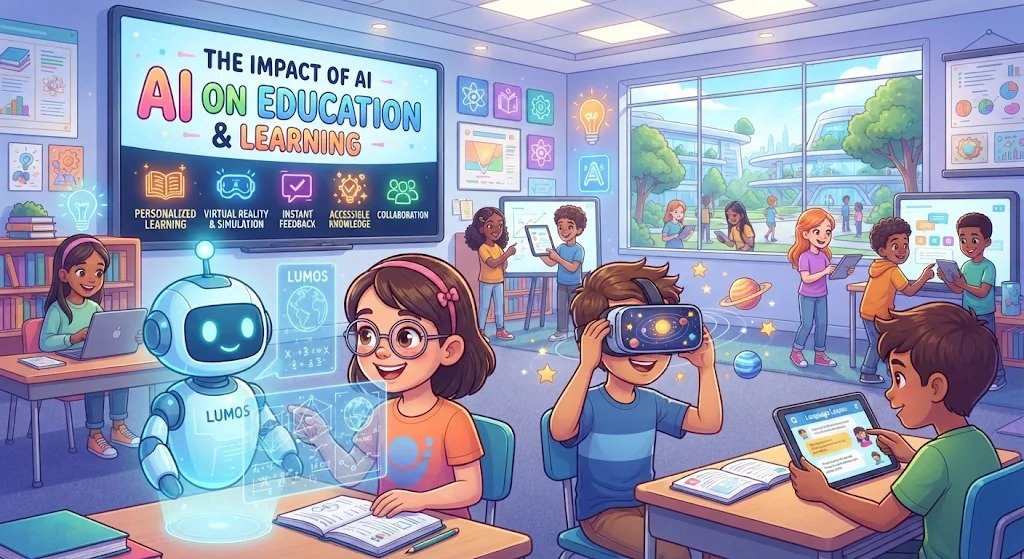
Artificial intelligence is creating new opportunities in education by making learning more personalized and interactive.
AI-powered educational platforms can identify learning gaps, recommend useful resources, and adjust lessons according to individual progress. Students can use intelligent assistants to understand difficult concepts, practice languages, and organize study materials.
Teachers can also benefit from AI tools that help prepare lesson plans, create quizzes, and manage educational resources.
Although AI can support the learning process, it should not replace teachers or independent thinking. Human guidance remains essential for developing creativity, communication skills, and critical thinking.
Challenges and Risks of Artificial Intelligence
Despite its advantages, artificial intelligence also creates challenges that need careful attention. Data privacy, cybersecurity, misinformation, and algorithmic bias are important concerns.
AI systems depend on data, and poor-quality information can produce inaccurate results. Some AI-generated content may also contain misleading details, making fact-checking necessary.
Another concern is the changing job market. Automation may reduce the need for certain repetitive tasks while increasing demand for skills related to technology, data analysis, and AI management.
To use AI responsibly, organizations should focus on data protection, transparency, human supervision, and ethical development.
What Is the Future of Smartest AI Technologies?
The future of artificial intelligence will likely involve more advanced automation, intelligent digital assistants, and improved human-computer interaction.
AI technologies are expected to become more integrated into healthcare, education, transportation, manufacturing, and entertainment. Businesses may use intelligent systems to understand customer needs more accurately and develop better digital services.
At the same time, responsible AI development will become increasingly important. Governments, technology companies, and organizations will need to establish appropriate guidelines to protect users and encourage innovation.
The smartest AI technologies will have the greatest impact when they combine advanced capabilities with human creativity, judgment, and responsibility.
Conclusion
Smartest AI technologies are transforming the digital world by improving communication, content creation, business automation, and education. They help individuals and organizations complete tasks more efficiently while creating new opportunities for innovation and growth.
However, artificial intelligence also brings challenges related to privacy, security, accuracy, and employment. Responsible use and human supervision are essential to achieving its full potential. As technology continues to advance, AI will remain a major force in shaping the future of digital experiences.
Frequently Asked Questions (FAQs)
1. What are the smartest AI technologies?
The smartest AI technologies include machine learning, natural language processing, generative AI, computer vision, and intelligent automation systems.
2. How is AI changing the digital world?
AI is improving digital communication, automating business operations, supporting education, and helping people create content more efficiently.
3. Can AI improve business productivity?
Yes. AI can automate repetitive tasks, analyze business data, improve customer support, and help organizations make informed decisions.
4. Is artificial intelligence useful for content creation?
Yes. AI tools can assist with writing, image generation, video production, brainstorming, and content planning.
5. What are the biggest challenges of AI technology?
Some major challenges include data privacy, cybersecurity risks, inaccurate information, algorithmic bias, and potential employment changes.