
Introduction
Technology continues to evolve at a remarkable pace, introducing innovative products that reshape how consumers interact with digital devices. One emerging trend attracting attention is Disposable Electronics. These low-cost electronic components and devices are designed for short-term use, offering practical solutions in industries such as healthcare, retail, logistics, and consumer technology. As advancements in flexible electronics and smart manufacturing accelerate, disposable electronic products are becoming more affordable and accessible. While they provide numerous benefits, they also raise important questions about sustainability and electronic waste management. Understanding how Disposable Electronics are influencing consumer technology helps reveal both the opportunities and challenges associated with this growing innovation.
What Are Disposable Electronics?
Disposable Electronics are electronic devices or components designed for temporary use before being discarded or recycled. Unlike traditional electronics built for long-term operation, these products prioritize affordability, convenience, and specific short-term applications.
Examples include:
- Smart medical patches
- Disposable sensors
- Temporary tracking devices
- Smart packaging solutions
- Single-use diagnostic tools
- Event-based wearable technology
These products are often manufactured using lightweight materials and simplified designs, making them cost-effective for specialized applications.
As production methods continue improving, Disposable Electronics are becoming increasingly common across various industries.
The Rise of Flexible Electronics
One of the major factors driving the growth of Disposable Electronics is the advancement of flexible electronics. Traditional electronic devices typically rely on rigid components and circuit boards. Flexible electronics use innovative materials that can bend, stretch, and adapt to different shapes.
This flexibility enables manufacturers to create thinner, lighter, and more versatile products. Flexible electronics are particularly useful for wearable devices, healthcare applications, and smart packaging solutions.
The ability to produce electronic components on flexible substrates also helps reduce manufacturing costs, making disposable technologies more commercially viable.
As flexible electronics continue advancing, new opportunities for innovation are emerging across consumer markets.
How Disposable Electronics Are Transforming Consumer Technology
The impact of Disposable Electronics on consumer technology is becoming increasingly visible. Companies are exploring ways to integrate temporary electronic functions into everyday products without significantly increasing costs.
Some key applications include:
Smart Packaging
Brands can incorporate disposable sensors into product packaging to monitor freshness, temperature, or tampering.
Healthcare Monitoring
Disposable medical devices enable temporary health monitoring without requiring expensive reusable equipment.
Event and Entertainment Experiences
Single-use wearable devices can enhance interactive experiences at concerts, sporting events, and exhibitions.
Logistics and Supply Chain Tracking
Temporary tracking devices help businesses monitor shipments throughout the delivery process.
These applications demonstrate how Disposable Electronics are expanding the possibilities of modern technology.
The Role of Smart Electronic Devices
Many Disposable Electronics fall into the category of smart electronic devices, which use sensors, communication technologies, and data collection capabilities to perform specific functions.
Smart electronic devices can gather information, process data, and communicate with other systems in real time. Even temporary devices can provide valuable insights that improve decision-making and operational efficiency.
For example:
- Smart health patches monitor patient conditions.
- Disposable environmental sensors track air quality.
- Temporary asset trackers improve supply chain visibility.
As technology becomes more affordable, smart electronic devices are increasingly being integrated into products that were previously non-digital.
Benefits of Disposable Electronics
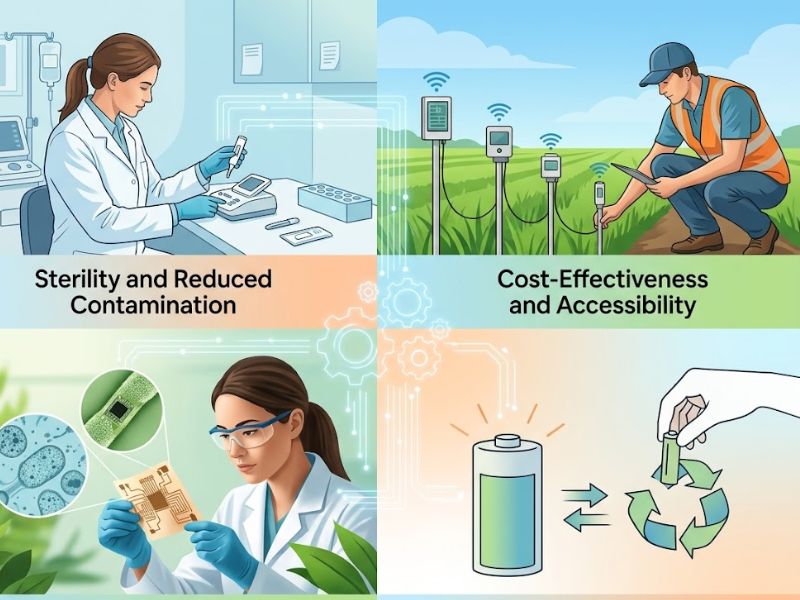
Several important advantages drive the growing popularity of Disposable Electronics.
Cost Efficiency
Manufacturers can produce low-cost devices for specialized applications without requiring expensive hardware.
Convenience
Users can access advanced technology without worrying about maintenance or long-term ownership.
Accessibility
Disposable products make certain technologies available to a broader audience.
Innovation Opportunities
Companies can experiment with new applications and business models using temporary electronic solutions.
These benefits are encouraging businesses to explore new uses for disposable technologies across multiple industries.
Challenges and Sustainability Concerns
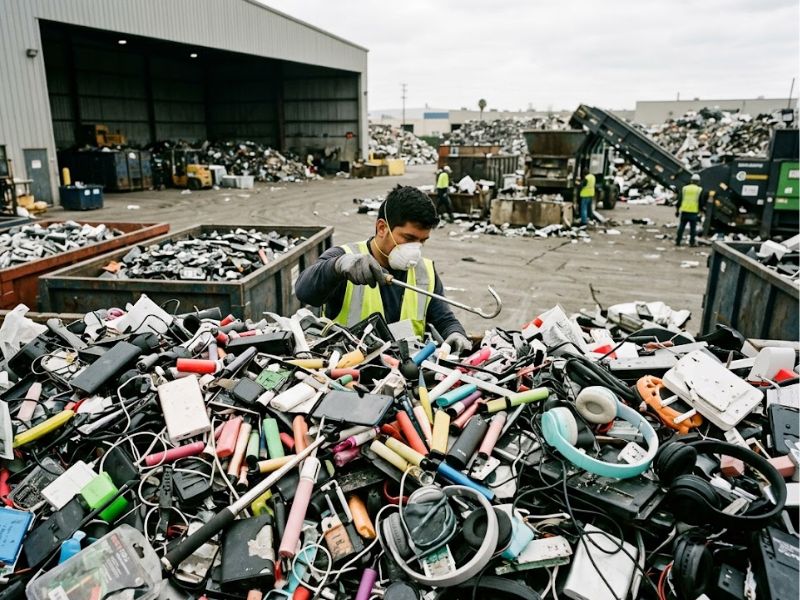
Despite their advantages, Disposable Electronics also present significant environmental challenges. As the number of temporary devices increases, concerns about waste and resource consumption become more important.
Many electronic products contain materials that require careful disposal and recycling. Without proper management, discarded devices can contribute to pollution and environmental damage.
Manufacturers and policymakers are therefore focusing on developing sustainable materials and improved recycling methods to reduce the environmental impact of Disposable Electronics.
Balancing innovation with environmental responsibility remains a critical challenge for the industry.
The Importance of Electronic Waste Management
As Disposable Electronics become more widespread, effective electronic waste management becomes increasingly important. E-waste is already one of the fastest-growing waste streams worldwide, and the rise of temporary electronic devices may contribute to this trend.
Strategies for improving electronic waste management include:
- Expanding recycling programs
- Using biodegradable materials
- Designing products for easier disassembly
- Encouraging responsible disposal practices
- Developing circular economy initiatives
These approaches can help minimize environmental impacts while supporting continued technological innovation.
Responsible electronic waste management will play a crucial role in ensuring the long-term sustainability of disposable technologies.
Future Trends in Disposable Electronics
The future of Disposable Electronics is closely linked to advancements in materials science, manufacturing processes, and sustainability initiatives.
Emerging trends include:
- Biodegradable electronic components
- Eco-friendly conductive materials
- Printed electronics technologies
- Smarter disposable healthcare devices
- Sustainable packaging solutions
As these innovations mature, disposable electronics are expected to become more environmentally friendly while offering improved functionality.
Businesses that invest in sustainable development will likely play a leading role in shaping the future of this industry.
Conclusion
Disposable Electronics are transforming consumer technology by introducing affordable, convenient, and highly specialized digital solutions. Powered by advancements in flexible electronics and increasingly sophisticated smart electronic devices, these technologies are creating new opportunities across healthcare, retail, logistics, and other industries.
However, the growth of disposable technologies also highlights the importance of effective electronic waste management. As manufacturers continue developing sustainable materials and recycling solutions, the industry will be better positioned to balance innovation with environmental responsibility.
The future of Disposable Electronics promises exciting possibilities, making them an important trend to watch in the evolving world of consumer technology.
FAQs
1. What are Disposable Electronics?
Disposable Electronics are electronic devices designed for temporary use before being discarded, recycled, or replaced.
2. What are flexible electronics?
Flexible electronics are electronic components built on bendable materials that allow devices to be lightweight and adaptable.
3. How are smart electronic devices used in disposable products?
They enable functions such as monitoring, tracking, sensing, and data collection in temporary applications.
4. Why is electronic waste management important?
Proper electronic waste management helps reduce environmental pollution and supports sustainable use of technology resources.
5. What industries use Disposable Electronics?
Healthcare, logistics, retail, consumer products, environmental monitoring, and event technology are among the industries using disposable electronic solutions.