
Introduction
The retail industry is experiencing a major digital transformation as businesses adopt innovative technologies to improve efficiency and customer satisfaction. In 2026, retail technology is helping create smarter, faster, and more personalized shopping experiences than ever before. From artificial intelligence and smart checkout systems to real-time inventory management and data analytics, retailers are using advanced solutions to meet changing consumer expectations. As competition grows, investing in smart retail technologies has become essential for delivering an outstanding customer experience and achieving long-term business success.
The Evolution of Retail Technology
Retail technology has evolved significantly over the past decade. Traditional shopping methods have been enhanced by digital innovations that simplify both online and in-store experiences.
Today’s retail businesses use technology for:
- Inventory management
- Customer engagement
- Payment processing
- Personalized marketing
- Supply chain optimization
- Sales analytics
These advancements allow retailers to operate more efficiently while providing greater convenience for customers.
What Is Smart Retail?
Smart retail refers to the use of modern technologies such as artificial intelligence, cloud computing, the Internet of Things (IoT), and automation to improve retail operations and shopping experiences.
Key components of smart retail include:
- Self-checkout systems
- Smart shelves
- Mobile payment solutions
- Digital price tags
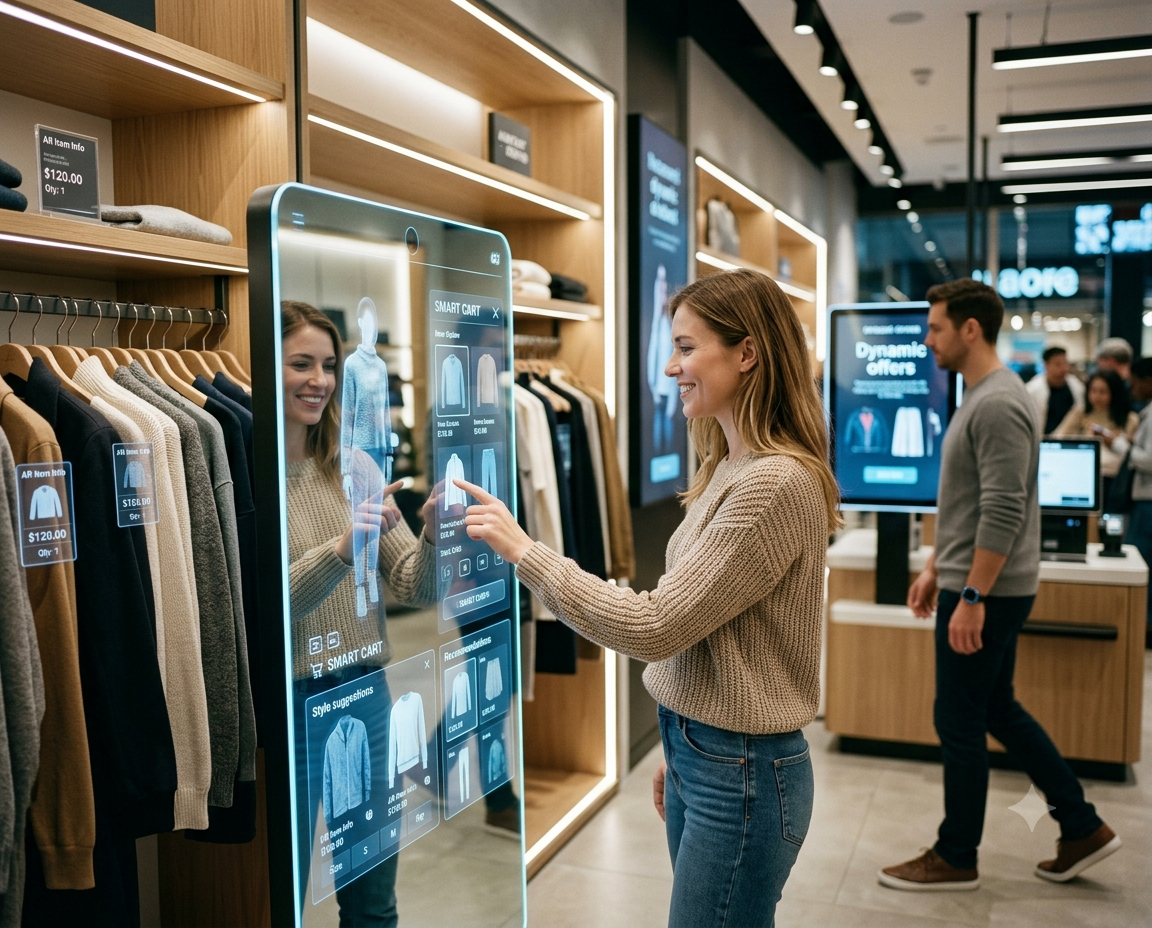
- AI-powered product recommendations
- Automated inventory tracking
These innovations help retailers improve efficiency while offering customers a more seamless shopping journey.
Enhancing the Customer Experience
One of the biggest benefits of retail technology is its ability to improve the customer experience.
Modern retailers use technology to:
Personalize Shopping
Artificial intelligence analyzes customer preferences and shopping behavior to recommend products tailored to individual needs.
Reduce Waiting Times
Self-service kiosks and contactless payment options speed up the checkout process.
Improve Product Availability
Real-time inventory tracking helps customers find products quickly while reducing stock shortages.
Offer Omnichannel Shopping
Customers can browse products online, purchase through mobile apps, and pick up items in-store without hassle.
These improvements increase customer satisfaction and encourage repeat business.
AI Is Transforming Retail
Artificial intelligence is one of the most influential technologies shaping modern retail.
AI applications include:
- Personalized product recommendations
- Demand forecasting
- Customer service chatbots
- Dynamic pricing
- Fraud detection
- Inventory optimization
By automating routine tasks and analyzing large amounts of data, AI enables retailers to make faster and more informed decisions.
Smart Inventory Management
Inventory management has become more accurate with the help of advanced retail technology.
Modern systems allow businesses to:
- Monitor stock levels in real time
- Predict future demand
- Reduce overstocking
- Minimize product shortages
- Improve warehouse efficiency
Accurate inventory management ensures customers can find the products they want while reducing operational costs.
Contactless Shopping and Payments
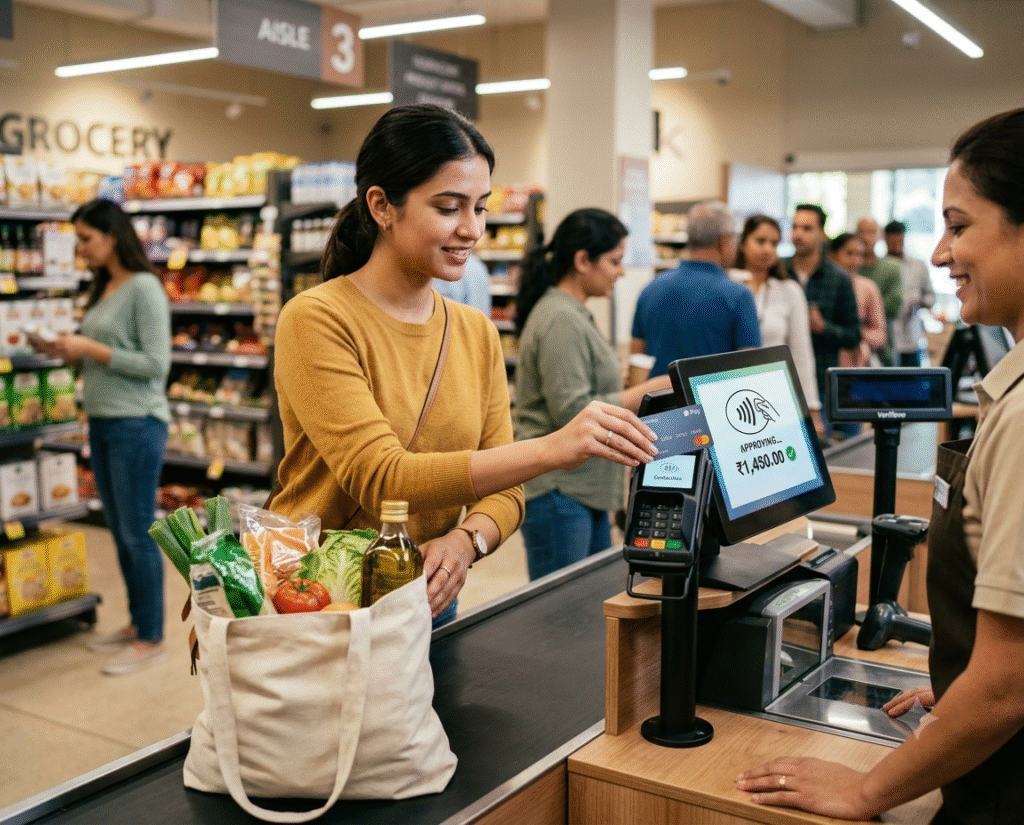
Consumers increasingly prefer convenient and secure payment methods.
Popular technologies include:
- Mobile wallets
- Contactless credit cards
- QR code payments
- Self-checkout terminals
- Digital receipts
These payment solutions improve shopping speed while enhancing security and convenience.
Retailers also benefit from faster transactions and reduced checkout congestion.
Data Analytics in Retail
Retailers generate large volumes of customer and sales data every day.
Advanced analytics help businesses:
- Understand customer behavior
- Measure product performance
- Optimize marketing campaigns
- Forecast sales trends
- Improve pricing strategies
Data-driven decision-making enables retailers to deliver more relevant shopping experiences while increasing profitability.
Sustainability Through Retail Technology
Technology also supports more sustainable retail operations.
Examples include:
- Energy-efficient smart stores
- Digital receipts
- Optimized delivery routes
- Waste reduction through better inventory planning
- Eco-friendly packaging solutions
Sustainable practices benefit both businesses and environmentally conscious consumers. Retail technology continues to play an important role in supporting responsible business operations.
Challenges Facing Retailers
Despite its many advantages, adopting new technology can present challenges.
Common obstacles include:
- High implementation costs
- Employee training requirements
- Data privacy concerns
- Cybersecurity risks
- Integration with existing systems
Retailers should carefully plan technology investments to maximize long-term value while minimizing disruptions.
The Future of Smart Retail
The future of retail will continue to focus on innovation and customer convenience.
Emerging trends include:
- AI-powered shopping assistants
- Augmented reality product visualization
- Fully automated stores
- Voice-assisted shopping
- Predictive customer analytics
- Robotics in inventory management
As technology advances, retailers will continue creating faster, more personalized, and highly engaging shopping experiences. Businesses that embrace innovation will be better prepared for future consumer demands.
Conclusion
Retail technology is helping create smarter shopping experiences by improving efficiency, personalization, and convenience for both businesses and consumers. Through innovations such as AI, automation, smart inventory systems, and contactless payments, smart retail is transforming how customers interact with brands.
As the retail industry continues evolving in 2026, organizations that invest in technology will be better positioned to deliver exceptional customer experience, increase operational efficiency, and maintain a competitive advantage in an increasingly digital marketplace.
FAQs
1. What is retail technology?
Retail technology includes digital tools and software that help retailers improve operations, customer service, and business performance.
2. What is smart retail?
Smart retail uses technologies such as AI, automation, IoT, and analytics to create efficient and personalized shopping experiences.
3. How does retail technology improve customer experience?
It enables faster checkouts, personalized recommendations, real-time inventory updates, and seamless omnichannel shopping.
4. Why is artificial intelligence important in retail?
AI helps retailers automate operations, predict customer demand, personalize marketing, and improve inventory management.
5. What is the future of retail technology?
The future includes AI-powered assistants, augmented reality shopping, automated stores, robotics, predictive analytics, and more personalized digital shopping experiences.