
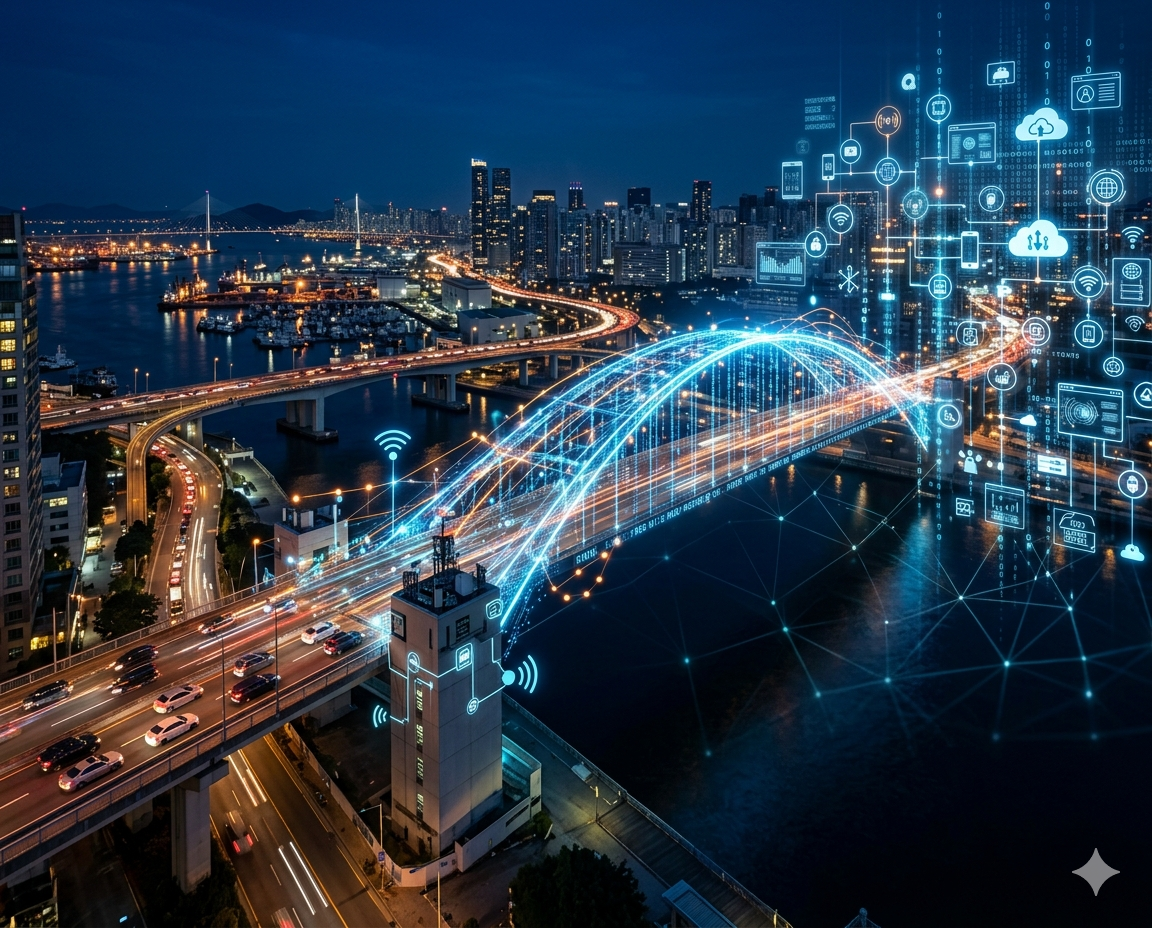

Introduction
We live in an era where your watch can tell your phone to turn on the lights, and your refrigerator can add milk to your shopping list. This is no longer science fiction. The Physical and Digital World are merging faster than ever before, and at the heart of this transformation is the Internet of Things (IoT). IoT acts as a bridge, using sensors, internet connectivity, and data analytics to bring everyday physical objects into the digital space. By understanding how IoT connects the Physical and Digital World, we can unlock smarter homes, efficient industries, and real-time decision-making that was previously impossible.
What Exactly is IoT, and How Does It Bridge Both Worlds?
At its core, IoT refers to a network of physical devices—from thermostats to tractors—that collect and share data over the internet. These devices have sensors that capture physical events (like temperature or motion) and convert them into digital signals. This seamless interaction between the Physical and Digital World allows a farmer in Punjab to check soil moisture on his smartphone or a doctor in Mumbai to monitor a patient’s heartbeat remotely. IoT doesn’t just connect devices; it connects actions to insights. When a motion sensor detects you entering a room (physical), it sends a signal to turn on the LED bulb (digital command), which again affects the physical space. This two-way communication is the essence of bridging the gap.
Real-Life Examples: Making the Invisible Visible
The most beautiful part of this integration is how invisible it has become. In smart homes, voice assistants like Alexa or Google Home act as the digital interface for physical appliances. You speak a command, and your fan or air conditioner responds. Here, the Physical and Digital World meet without you pressing a single button. In industries, IoT sensors on heavy machinery predict failures before they happen. A vibration sensor on a conveyor belt sends digital alerts to a maintenance team, preventing costly breakdowns. Even in healthcare, wearable devices like smartwatches continuously collect heart rate and sleep data (physical), process it digitally, and offer personalized health advice. Every single day, without most of us realizing it, the Physical and Digital World is collaborating to make life smoother, safer, and smarter.
Benefits and Challenges of This Connected Reality
The benefits are enormous. Businesses save money through predictive maintenance. Cities reduce traffic congestion using smart traffic lights that adjust in real-time. Farmers increase crop yields using weather and soil data. However, connecting the Physical and Digital World also brings serious challenges. Security is the biggest concern. If a hacker breaches a smart lock or a pacemaker, physical harm becomes a real risk. Privacy is another issue your smart speaker is always listening. Moreover, different IoT devices often don’t speak the same digital language, making integration difficult. So while the bridge between the Physical and Digital World is powerful, it must be built with strong encryption, regular updates, and clear user consent.
Conclusion
The Internet of Things is not just a technology trend; it is the very infrastructure that unites our physical actions with digital intelligence. From smart agriculture to connected healthcare, the Physical and Digital World are becoming two sides of the same coin. As 5G networks expand and AI becomes more advanced, this bridge will only grow stronger. The key takeaway? Embrace IoT, but do so wisely. When the Physical and Digital World work in harmony, they create a future that is more responsive, efficient, and human-centric than anything we have seen before.
Frequently Asked Questions (FAQs)
Q1. Why is IoT called the bridge between the physical and digital world?
Answer: IoT uses sensors and internet connectivity to collect data from physical objects (like a car or cooler) and sends it to digital systems (apps or clouds) for analysis. Then, digital commands can change physical actions, creating a continuous loop. That’s exactly how the Physical and Digital World connect through IoT.
Q2. What is one simple example of this connection at home?
Answer: A smart bulb. You physically flip a switch (physical action) → the IoT system sends a digital signal → the light turns on. Alternatively, you use a phone app (digital action) to switch off the same bulb. This shows the Physical and Digital World interacting seamlessly.
Q3. Is it safe to connect everything physical to the digital world?
Answer: Not always. Security risks exist, such as hacking of smart cameras or door locks. However, using strong passwords, two-factor authentication, and regularly updating firmware can make the Physical and Digital World connection much safer.
Q4. What is the future of IoT in bridging these two worlds?
Answer: The future includes AI-powered IoT (AIoT), where digital systems will predict physical events before they happen. For example, your car will alert your doctor about a health emergency before you even feel symptoms. The Physical and Digital World will become almost indistinguishable.