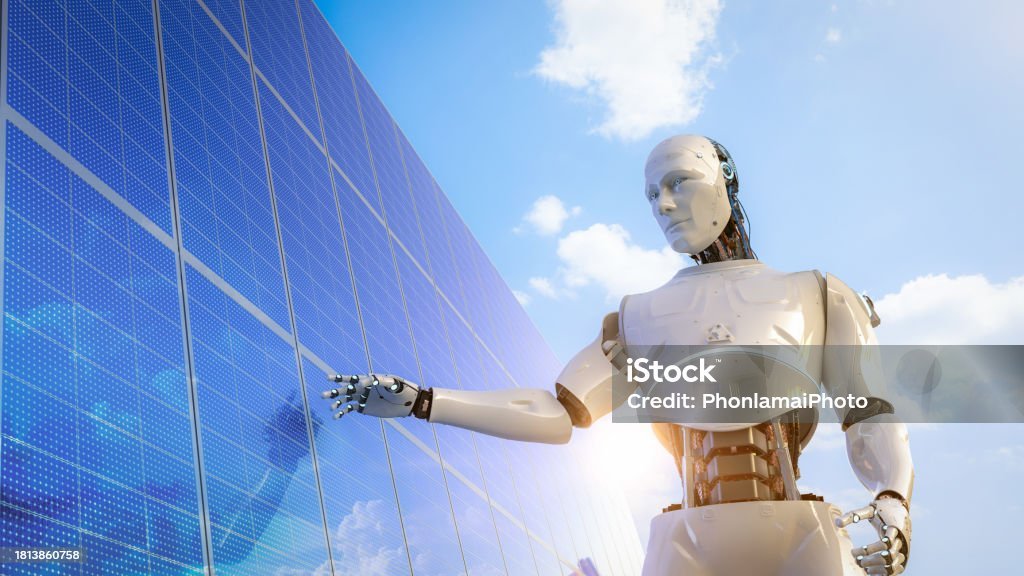

Solar power is playing a bigger role in the move to cleaner electricity worldwide. More houses, offices, and factories are putting up solar panels. That means people need better ways to monitor energy use and handle it day to day. AI-powered solar setups are aimed at this exact problem. They use machine learning with solar gear to get more power out of panels, spot issues before they get worse, and adjust how electricity is used. They also help manage storage, such as batteries, so energy can be saved for later.
Overall, these systems are changing the way solar electricity is made, kept, and used. This piece looks at how AI is reshaping solar power and why these tools may matter more in the years ahead for renewable energy.
What Are AI-Powered Solar Systems?
AI-Powered Solar Systems: Solar energy setups can use AI, machine learning, sensors, and linked devices to run a solar site better. A usual solar system makes power when the sun is out. Even so, it often relies on simple checks and people turning things by hand. With an AI-based upgrade, the system can make choices as conditions shift. It can look through lots of readings and spot patterns. Then it can adjust how the system works.
For instance, such a setup may use a weather forecast, track how much electricity is being used, watch how well the panels work, and check the battery charge. After that, it can decide what to produce, what to save, and what to use right away. This can help homeowners and companies get more value from the power their panels make.
How AI-Powered Solar Systems Improve Energy Production
AI-driven solar setups can raise how much power they make. Output is not steady all the time. Clouds, heat, shade, dirt, and even the sun angle across the day can shift results. With AI, the system can look at these conditions and spot trends. It can also check what is happening now against records. Then it can guess what the panels ought to produce. If the numbers fall below what seems normal, it can flag that drop.
That flag helps the owner act sooner. Instead of waiting until output is clearly lower, they can look into what is going on. In bigger solar fields, software like this can guide the team to the parts that likely need a closer look.
AI-Powered Solar Systems and Smart Energy Management
Getting the right energy plan matters for homes and companies that use solar power. When electricity is needed most, it helps to match that timing with when the panels make power. Smart tools can pick up on usage patterns and then steer when key loads run. For example, a home setup might suggest using a washing machine, a water heater, or charging an electric vehicle when solar output is higher. That way, you rely less on the local grid. It also helps the electricity made by the panels go further, since more of it gets used right away.
In offices and other commercial sites, smart software can look at heat and air systems, lights, and other equipment. It can flag times when energy is being wasted or when power use can be shifted. The system then responds more closely to what the people on site actually need.
The Role of AI in Solar Battery Storage
Battery storage matters for solar setups today. It lets power made in daylight be saved for later use. With AI-assisted solar controls, the software can look at how much power you need, what the sun is expected to do, and how electricity pricing changes. When the sun is strong, the system can focus on charging the battery. Later, like in the evening, or when electricity is pricey, it can pull from the stored power instead. This can lower how much you depend on the grid during those times.
Good control can also limit extra cycles. That means less needless charging and discharging. Over time, that can help the battery work better. Savings will still vary. They depend on the rate you pay, the size of the battery, and how the system is set up. Even so, AI can make it easier to match storage to shifting energy needs.
Predictive Maintenance for Solar Panels
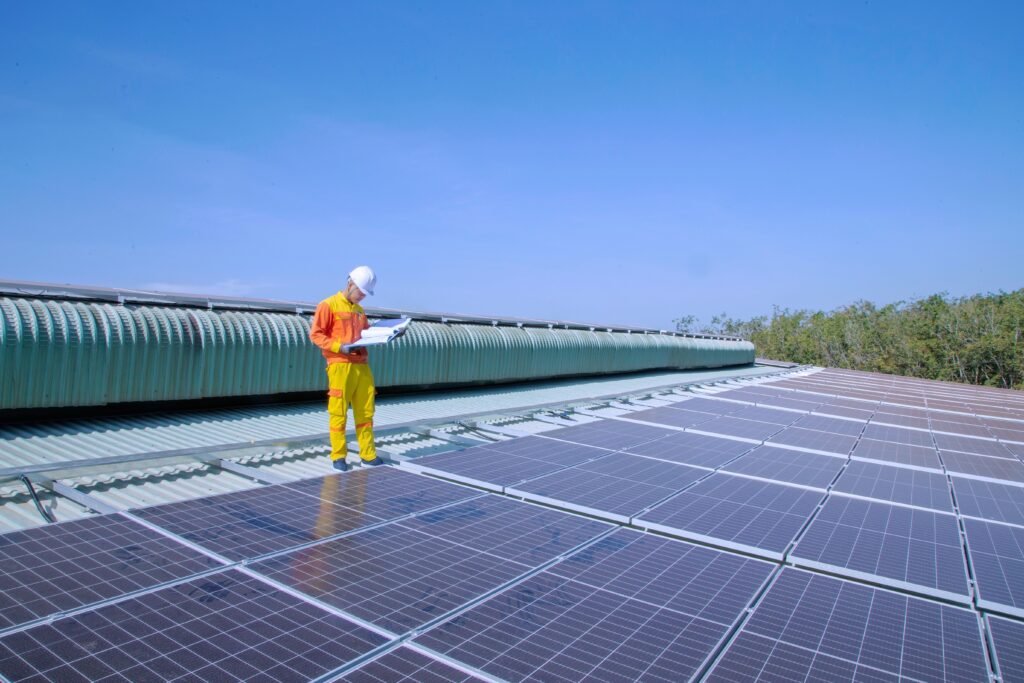
Solar panels and their support gear need care to work well. When connections are loose, wiring is faulty, or inverters act up, output can drop. Dust on the glass, shadows from nearby objects, and broken parts can also reduce how much power is generated. Many people simply handle maintenance. They check the system from time to time, or they wait until something looks wrong and then respond. That can mean delays.
With AI monitoring, the system can watch for odd changes in performance. It can send a warning when the data does not look normal. The software can also compare how different panels perform. It may use sensor readings to spot issues that would be easy to miss during a routine look.
This kind of predictive approach can lower the chance of long stops. It can also help people plan work ahead of time and may reduce what repairs cost. Still, any AI warning should not replace a site visit. If there is a possible electrical or mechanical fault, a trained professional should inspect the system.
AI-Powered Solar Systems for Smart Homes
Solar power plus smart home tools can help people cut their electric bills. New setups link solar panels, home batteries, smart meters, EV chargers, and regular appliances in one control system. With that in place, a homeowner can check how much power the panels make and how much the home uses. You can view it on a phone app or a simple screen.
Some systems also change how energy is used as daily life happens. They may learn when people are home. They can also react to the forecast, like a hot or cloudy day. For instance, a house might save extra solar electricity in the afternoon. Then, later in the evening, it can use that saved power for lights and other appliances. When the devices work together, solar becomes easier to rely on. It can also lower the amount of electricity the home pulls from the grid when it is not needed.
Benefits of AI-Powered Solar Systems for Businesses
Companies and industrial sites usually deal with tougher power needs than homes do. Workplaces like offices, plants, stores, and distribution centers can draw big power loads all day. Because of that, solar work is not only about panels. It is also about running the system in a way that makes sense.
AI can support this by looking ahead at how much electricity will be needed. It can also watch how key gear is doing and spot times when usage jumps. With that kind of view, a business can schedule power use with more care. It can also line up solar output and battery charging so the system fits the day better.
This type of setup can also help with sustainability paperwork. It can provide clear details on how much renewable electricity is made and how it is used. For firms trying to cut monthly costs and run their sites more efficiently, smart solar tools can play a role in a larger energy plan.
Challenges of AI-Powered Solar Systems
AI solar setups can bring real benefits, but they also come with some drawbacks. Getting started may cost more than a simple solar job. Costs can rise due to smart inverters, sensors, battery storage, and the control software. How well the system “adapts” depends on what it measures. If the data is off, the results can slip. Weak internet links can slow things down. Sensors can also report the wrong values. Sometimes the energy use records are not complete, which can hurt overall output.
There is also a security side to the story. Devices that connect to a network need basic protection. This helps keep personal information safe and blocks unwanted logins. Before buying, owners should check a few practical points. Will the software work with their existing setup? What kind of upkeep will be needed over time? Is there real tech support if something breaks?. Picking good hardware and using trained installers can reduce many of these risks.
The Future of AI-Powered Solar Systems
The way AI fits into solar power will likely rise as renewable energy grows. It also depends on electric cars, smart grid upgrades, and better batteries. More solar sites are being linked to online systems. When that happens, AI can step in to help match power use with what the panels are making. These tools could share power planning across whole areas. That includes homes, offices, and big solar projects run by utilities.AI may also improve weather and output guesses.
With better numbers, energy teams can respond when demand changes and when renewable power dips or surges. In the next few years, AI for solar may feel more common. That could happen because device prices drop and energy software keeps getting better. If this continues, solar energy could work in more situations. It may become more practical, more efficient, and easier for more people to use.
Conclusion
AI is changing how solar power is used. These systems bring together clean power production and tools that watch what is happening. They also help with automatic control and data review. With this, solar setups can forecast output better, and they can tune how batteries charge and discharge. They can also flag parts that may fail soon, so repairs can be planned ahead. They may also cut waste in how electricity is used at home or work.
Still, there are downsides to deal with. Putting it in can cost a lot. Keeping user and device data safe is another concern. The full setup can feel hard to manage, too. Even so, many people see the payoff and choose this kind of solar tech. As solar grows, AI will likely matter more for building energy systems that run smoothly and stay dependable.