

Introduction
The demand for faster and more reliable wireless connectivity continues to grow as smartphones, connected devices, smart cities, and digital services become part of everyday life. Traditional cellular networks can sometimes struggle with increasing data traffic, crowded locations, and the need for consistent high-speed connections. This is where 5G Small Cell Technology becomes important. Small cells are compact, low-power cellular access points that can be deployed closer to users to improve network capacity and coverage. By adding more connection points in targeted locations, mobile operators can make better use of 5G networks and support the growing number of connected devices.
What Is 5G Small Cell Technology?
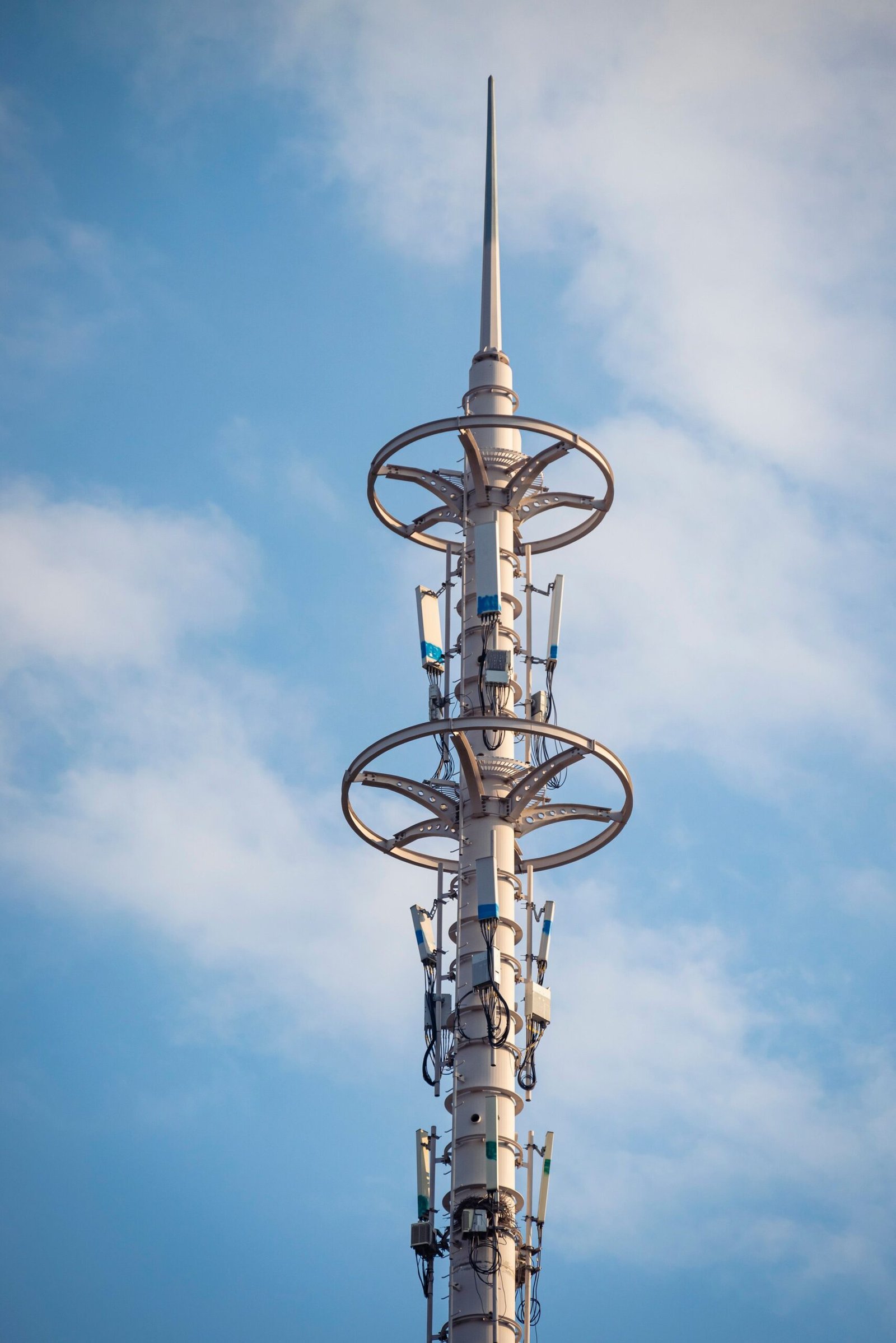
5G Small Cell Technology refers to the use of small cellular base stations designed to provide wireless coverage over relatively small geographic areas. Unlike large traditional cell towers that can cover wide areas, small cells are designed for locations where additional capacity or more localized coverage is needed.
Small cells can be installed in places such as buildings, shopping centers, transportation hubs, stadiums, campuses, streets, and business districts. Their smaller size and lower power requirements make them useful for increasing network capacity in areas where large towers alone may not provide the desired performance.
Small cells are not intended to completely replace traditional macro cell towers. Instead, they generally work alongside existing cellular infrastructure to create a more flexible and dense network.
How Does 5G Small Cell Technology Work?
A small cell connects mobile devices to a cellular network through radio signals. When a compatible smartphone or connected device comes within the coverage area, it can communicate with the small cell. The small cell then connects the traffic to the wider operator network through an appropriate backhaul connection.
Because small cells can be positioned closer to users, the distance between a device and its serving access point can be reduced. This can help improve capacity and coverage in busy locations. Network operators can deploy multiple small cells across an area and coordinate them with the wider 5G infrastructure.
The exact performance depends on factors such as spectrum, network configuration, backhaul, interference, device capabilities, and deployment density. Therefore, simply installing more small cells does not automatically guarantee better performance.
Types of 5G Small Cells
Different small-cell categories are used according to coverage requirements and deployment environments.
Femtocells
Femtocells are generally designed for very small coverage areas, such as homes or small offices. They can provide localized cellular connectivity where additional coverage is needed.
Picocells
Picocells cover a larger area than femtocells and can be useful in offices, commercial buildings, campuses, and other indoor environments with multiple users.
Microcells
Microcells generally provide broader coverage and can be deployed in outdoor locations or areas with higher capacity requirements. Their size and deployment requirements can vary depending on the network design.
The appropriate type depends on the required coverage, number of users, available infrastructure, and operating environment.
Benefits of 5G Small Cell Technology
One of the major advantages of 5G Small Cell Technology is increased network capacity. By adding localized access points in areas with heavy traffic, operators can distribute network demand more effectively.
Small cells can also improve coverage in challenging locations. Large buildings, dense urban environments, and crowded public areas may benefit from additional network points positioned closer to users.
Another potential benefit is support for low-latency applications. 5G networks are designed to support applications that require fast communication, although actual latency depends on the complete network architecture and application.
Small cells can also support the growing Internet of Things ecosystem. Smart sensors, industrial equipment, connected vehicles, and other devices can generate significant amounts of network traffic, creating a need for dense and flexible connectivity infrastructure.
Applications of 5G Small Cell Technology
The technology has applications across many industries and environments. In smart cities, small cells can support connected cameras, traffic systems, sensors, and public connectivity.
Businesses can use private or localized 5G infrastructure to support automation, connected equipment, and real-time data communication. Manufacturing facilities may use wireless connectivity for industrial sensors, robotics, monitoring systems, and other connected operations.
Large venues such as stadiums, airports, convention centers, and shopping malls can also benefit from additional cellular capacity. These environments often have large numbers of people using mobile devices simultaneously, creating temporary or permanent demand for higher network capacity.
Healthcare facilities, university campuses, transportation systems, and logistics centers are other potential application areas.
Deployment Challenges
Despite its advantages, deploying 5G Small Cell Technology can present several challenges. One major consideration is site availability. Small cells need suitable locations, power, connectivity, and appropriate mounting infrastructure.
Backhaul is another important factor. Small cells must connect to the wider network, and inadequate backhaul capacity can limit overall performance.
Interference management can also become more complicated as the number of access points increases. Operators need to carefully plan spectrum use, cell placement, power levels, and network coordination.
Regulatory approvals, installation costs, maintenance, security, and local planning requirements can also affect deployment timelines. These challenges mean that successful small-cell deployment requires careful network planning rather than simply installing equipment wherever additional coverage is needed.
Future of 5G Small Cell Technology
The future of 5G Small Cell Technology is closely connected to the continued growth of connected devices, industrial automation, smart infrastructure, and high-bandwidth applications. As more organizations adopt private and localized wireless networks, demand for flexible cellular infrastructure may increase.
Future deployments may also become more intelligent through automation, network analytics, and improved management systems. Operators can use data to identify congestion, optimize coverage, and adjust network resources according to changing demand.
Small cells are also expected to remain an important part of dense urban 5G deployments. As wireless networks evolve toward more distributed architectures, compact access points can help provide the additional capacity required in high-demand areas.
Conclusion
5G Small Cell Technology is an important component of modern wireless network development. By placing compact cellular access points closer to users, operators can increase capacity, improve localized coverage, and support growing demand for connected devices. From smart cities and industrial facilities to stadiums and business campuses, small cells have a wide range of potential applications. However, successful deployment requires careful consideration of backhaul, interference, power, site availability, regulations, and network planning. As connectivity requirements continue to increase, small cells are likely to remain an important part of the evolving 5G infrastructure.
FAQs
1. What is a 5G small cell?
A 5G small cell is a compact, low-power cellular access point designed to provide localized wireless coverage and additional network capacity.
2. How are small cells different from traditional cell towers?
Traditional macro towers are designed to cover larger geographic areas, while small cells provide coverage over smaller areas and are often deployed closer to users.
3. Where are 5G small cells used?
They can be used in offices, stadiums, shopping centers, campuses, transportation hubs, smart cities, industrial facilities, and dense urban areas.
4. Do small cells replace traditional 5G towers?
Generally, no. Small cells and macro cell towers can work together, with small cells providing additional capacity or localized coverage where needed.
5. Why are small cells important for 5G?
They can help increase network capacity and provide more targeted coverage, supporting the growing demand for mobile data, IoT devices, and connected applications.