

Introduction
Artificial intelligence (AI) is transforming nearly every industry, and professional sports are no exception. From improving athlete performance to enhancing fan engagement, AI has become a driving force behind the latest sports technology innovations. Teams, coaches, and sports organizations now rely on advanced data analytics, machine learning, and wearable technology to gain a competitive edge. In today’s Sports Tech News, AI continues to reshape how athletes train, compete, recover, and connect with fans, making sports smarter, safer, and more exciting than ever before.
The Rise of AI in Sports
The adoption of AI has accelerated across professional sports due to its ability to process massive amounts of performance data quickly and accurately.
AI is now used to:
- Analyze player performance
- Develop personalized training programs
- Prevent injuries
- Improve game strategies
- Enhance fan experiences
- Support referee decision-making
These capabilities are changing how teams prepare for competitions and make tactical decisions.
AI-Powered Performance Analysis
One of the biggest applications of AI in sports is performance analysis.
AI systems collect and evaluate data from:
- Player movements
- Match statistics
- GPS tracking
- Video footage
- Biometric sensors
Coaches can identify strengths, weaknesses, and areas for improvement using real-time insights.
This data-driven approach helps athletes maximize performance while reducing unnecessary training workloads.
Wearable Technology and Athlete Monitoring
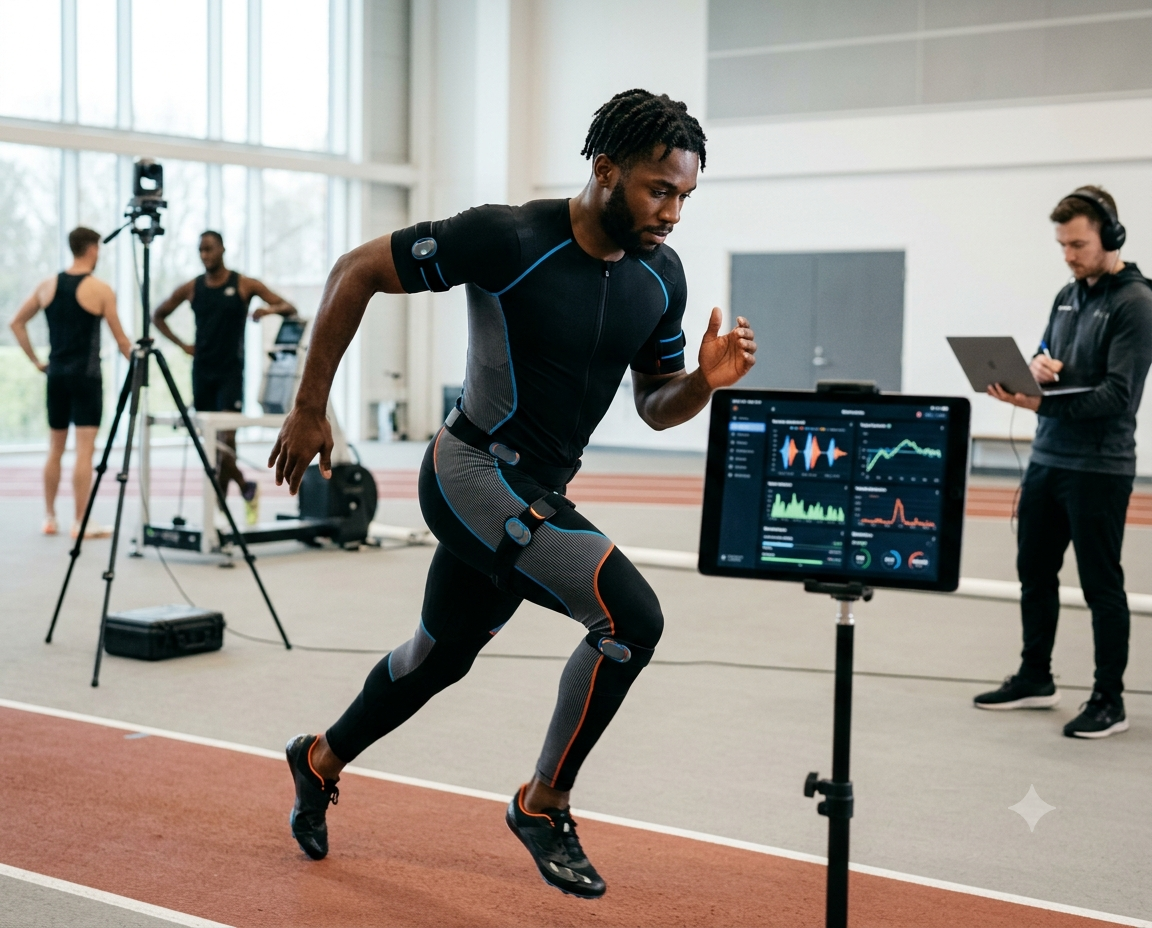
Modern wearable technology plays an essential role in AI-powered sports.
Popular wearable devices monitor:
- Heart rate
- Running speed
- Distance covered
- Sleep quality
- Muscle fatigue
- Body temperature
AI analyzes this information to create personalized training recommendations and recovery plans.
Continuous monitoring also helps coaches prevent overtraining and reduce injury risks.
Injury Prevention Through AI
Player injuries can significantly impact team performance and financial investments.
AI helps reduce injury risks by analyzing:
- Movement patterns
- Training intensity
- Recovery times
- Previous injury history
- Biomechanical data
By identifying early warning signs, coaching staff can adjust training programs before injuries occur.
This proactive approach supports longer and healthier athletic careers.
Smart Video Analysis
Video analysis has become more advanced with artificial intelligence.
AI-powered software can:
- Track player positions
- Recognize tactical formations
- Analyze opponent strategies
- Measure passing accuracy
- Evaluate defensive movements
These insights help coaching staff make informed tactical decisions during training and competition.
AI and Game Strategy

Artificial intelligence provides valuable support when developing match strategies.
Teams use AI to:
- Analyze opponent performance
- Simulate different game scenarios
- Predict player performance
- Optimize team formations
- Improve substitution decisions
Although coaches make final decisions, AI provides data-driven recommendations that improve strategic planning.
Enhancing the Fan Experience
Sports technology extends beyond athletes and coaching staff.
AI improves fan engagement through:
- Personalized content recommendations
- Smart ticketing systems
- Virtual assistants
- Interactive mobile apps
- Real-time statistics
- AI-powered highlights
Fans receive more personalized and immersive experiences both inside stadiums and online.
Emerging Sports Innovation
The sports industry continues to adopt new technologies alongside AI.
Key sports innovation trends include:
- Virtual reality training
- Augmented reality broadcasts
- Smart sports equipment
- Automated officiating systems
- Digital performance tracking
- Predictive analytics
These innovations continue improving both athletic performance and entertainment value.
Challenges of AI in Sports
Despite its many advantages, AI adoption also presents challenges.
These include:
- Data privacy concerns
- High implementation costs
- Technology dependence
- Accuracy limitations
- Ethical considerations
- Cybersecurity risks
Sports organizations must balance technological innovation with responsible data management and human expertise.
The Future of Sports Technology
The future of sports technology looks increasingly intelligent and connected.
Expected developments include:
- AI-powered coaching assistants
- Advanced injury prediction models
- Smarter wearable devices
- Fully automated performance analysis
- Digital twins for athlete simulation
- Enhanced fan personalization
As artificial intelligence continues evolving, professional sports will become even more data-driven and efficient.
Human coaches, trainers, and athletes will continue to play the central role while AI serves as a powerful decision-support tool.
Conclusion
The latest Sports Tech News demonstrates that artificial intelligence is revolutionizing professional sports through advanced sports technology, data analytics, and wearable technology. AI enables athletes to train more efficiently, helps coaches develop smarter strategies, reduces injury risks, and creates richer experiences for sports fans around the world.
As technology continues advancing, AI will remain one of the most influential forces shaping the future of professional sports. Organizations that embrace innovation responsibly will be better positioned to improve athletic performance, enhance fan engagement, and stay competitive in an increasingly digital sports landscape.
FAQs
1. How is AI used in professional sports?
AI is used for performance analysis, injury prevention, tactical planning, video analysis, fan engagement, and athlete monitoring.
2. What is wearable technology in sports?
Wearable technology includes smart devices that monitor heart rate, movement, sleep, recovery, and other performance metrics.
3. Can AI help prevent sports injuries?
Yes. AI analyzes training data, movement patterns, and physical metrics to identify potential injury risks before they become serious.
4. How does AI improve the fan experience?
AI personalizes content, provides real-time statistics, powers virtual assistants, and enhances digital interactions for sports fans.
5. What is the future of sports technology?
Future developments include AI-powered coaching, smarter wearables, predictive analytics, virtual reality training, and more personalized fan experiences.