


Introduction
In today’s highly competitive digital marketplace, businesses can no longer rely solely on quality products or services to attract and retain customers. The way users interact with a website, application, or digital platform plays a crucial role in determining business success. This is where modern UI/UX design becomes essential. A well-designed digital experience helps businesses engage visitors, improve customer satisfaction, and increase conversions. Whether it’s a startup launching a new app or an established company upgrading its website, investing in modern UI/UX design can create a significant competitive advantage. As user expectations continue to rise, businesses that prioritize design are more likely to build trust, strengthen their brand, and achieve sustainable growth.
What Is Modern UI/UX Design?
Modern UI/UX design combines aesthetics, functionality, and usability to create digital experiences that are both visually appealing and easy to use. UI, or user interface design, focuses on the visual elements users interact with, such as buttons, menus, colors, and layouts. UX, or user experience design, focuses on how users feel when navigating a product and whether they can accomplish their goals efficiently.
A successful design strategy balances both elements. A beautiful interface may attract users, but a poor experience can quickly drive them away. Likewise, excellent functionality without an attractive interface may fail to create a strong first impression. Modern businesses need UI and UX to work together to deliver seamless digital experiences.
The Impact of User Experience Design on Customer Satisfaction
Customer satisfaction is one of the strongest indicators of long-term business success. When users can easily navigate a website or application, find information quickly, and complete tasks without frustration, they are more likely to return.
User experience design focuses on understanding user behavior, identifying pain points, and creating solutions that simplify interactions. Businesses that invest in UX research and testing often discover opportunities to improve customer journeys and remove barriers that may prevent conversions.
A positive user experience builds trust and encourages users to engage more deeply with a brand. Over time, this can lead to stronger customer loyalty, higher retention rates, and increased revenue.
How User Interface Design Influences First Impressions
First impressions matter, especially online. Visitors often form opinions about a website within seconds of landing on it. Effective user interface design helps businesses make a strong and positive first impression.
A clean layout, intuitive navigation, consistent branding, and visually appealing design elements create a professional appearance that inspires confidence. Users are more likely to trust a business when its digital platforms look polished and modern.
Good UI design also supports usability by guiding users through content and highlighting important actions. By reducing confusion and improving accessibility, businesses can encourage visitors to stay longer and interact more with their products or services.
Modern UI/UX Design and Conversion Optimization
One of the biggest reasons businesses invest in modern UI/UX design is its impact on conversions. Whether the goal is generating leads, selling products, collecting sign-ups, or increasing downloads, design plays a major role in influencing user decisions.
Well-designed interfaces make it easier for users to complete desired actions. Clear calls to action, simplified forms, fast loading times, and intuitive navigation all contribute to higher conversion rates.
By understanding how users interact with digital platforms, designers can optimize customer journeys and eliminate obstacles that may prevent conversions. This results in improved business performance and greater return on investment.
Emerging UX Design Trends Shaping the Future
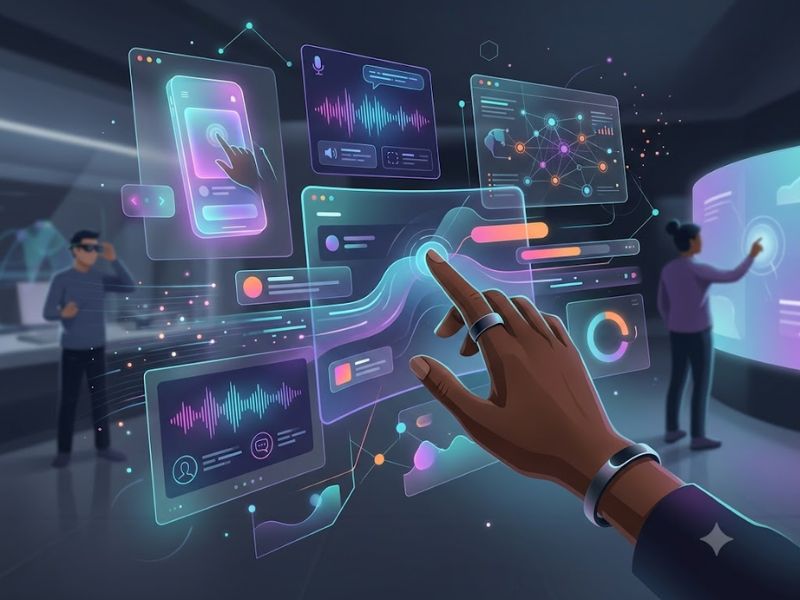
Technology and user expectations continue to evolve, leading to new UX design trends that influence how businesses approach digital experiences. One major trend is personalization, where websites and applications adapt content based on user preferences and behavior.
Another growing trend is the use of artificial intelligence to enhance user experiences through intelligent recommendations, chatbots, and predictive interactions. Accessibility-focused design is also becoming increasingly important as businesses work to ensure digital experiences are inclusive for all users.
Minimalist interfaces, dark mode options, micro-interactions, and voice-based navigation are additional trends shaping the future of modern UI/UX design. Businesses that stay current with these developments can create more engaging and competitive digital products.
The Role of Modern UI/UX Design in Brand Building
Strong branding extends beyond logos and marketing campaigns. Every interaction a customer has with a digital platform contributes to their perception of a brand. Modern UI/UX design helps businesses communicate professionalism, reliability, and innovation.
Consistent design elements across websites, mobile applications, and digital services strengthen brand recognition and create a cohesive customer experience. When users enjoy interacting with a product, they are more likely to remember the brand and recommend it to others.
Design-driven businesses often stand out in crowded markets because they prioritize customer needs and deliver experiences that exceed expectations.
Why Businesses Cannot Ignore UI/UX Design
Ignoring design can have serious consequences. Poor navigation, confusing layouts, slow performance, and frustrating user experiences can drive customers toward competitors. In many cases, users will leave a website within seconds if they cannot quickly find what they need.
Businesses that neglect user experience design may experience lower engagement, reduced customer satisfaction, and decreased conversion rates. On the other hand, organizations that prioritize design often see measurable improvements in performance and customer retention.
As digital interactions become increasingly important, modern UI/UX design is no longer a luxury—it is a necessity for businesses seeking long-term success.
Conclusion
Modern UI/UX design has become one of the most important factors influencing business success in the digital age. By combining effective user interface design with thoughtful user experience design, businesses can create engaging, intuitive, and memorable experiences that attract and retain customers.
As new UX design trends continue to emerge, companies that invest in design innovation will be better positioned to meet customer expectations and outperform competitors. From improving customer satisfaction to increasing conversions and strengthening brand identity, modern UI/UX design delivers benefits that directly support business growth and long-term success.
FAQs
1. What is modern UI/UX design?
Modern UI/UX design focuses on creating visually appealing and user-friendly digital experiences that improve usability and engagement.
2. Why is user experience design important?
User experience design helps users navigate digital products efficiently, improving satisfaction, retention, and conversion rates.
3. What is the difference between UI and UX?
UI focuses on visual design elements, while UX focuses on the overall user journey and interaction experience.
4. How does UI/UX design increase conversions?
It simplifies navigation, improves usability, and removes obstacles that may prevent users from completing desired actions.
5. What are some current UX design trends?
Popular trends include personalization, AI-powered experiences, accessibility-focused design, minimalist interfaces, and voice-based interactions.