
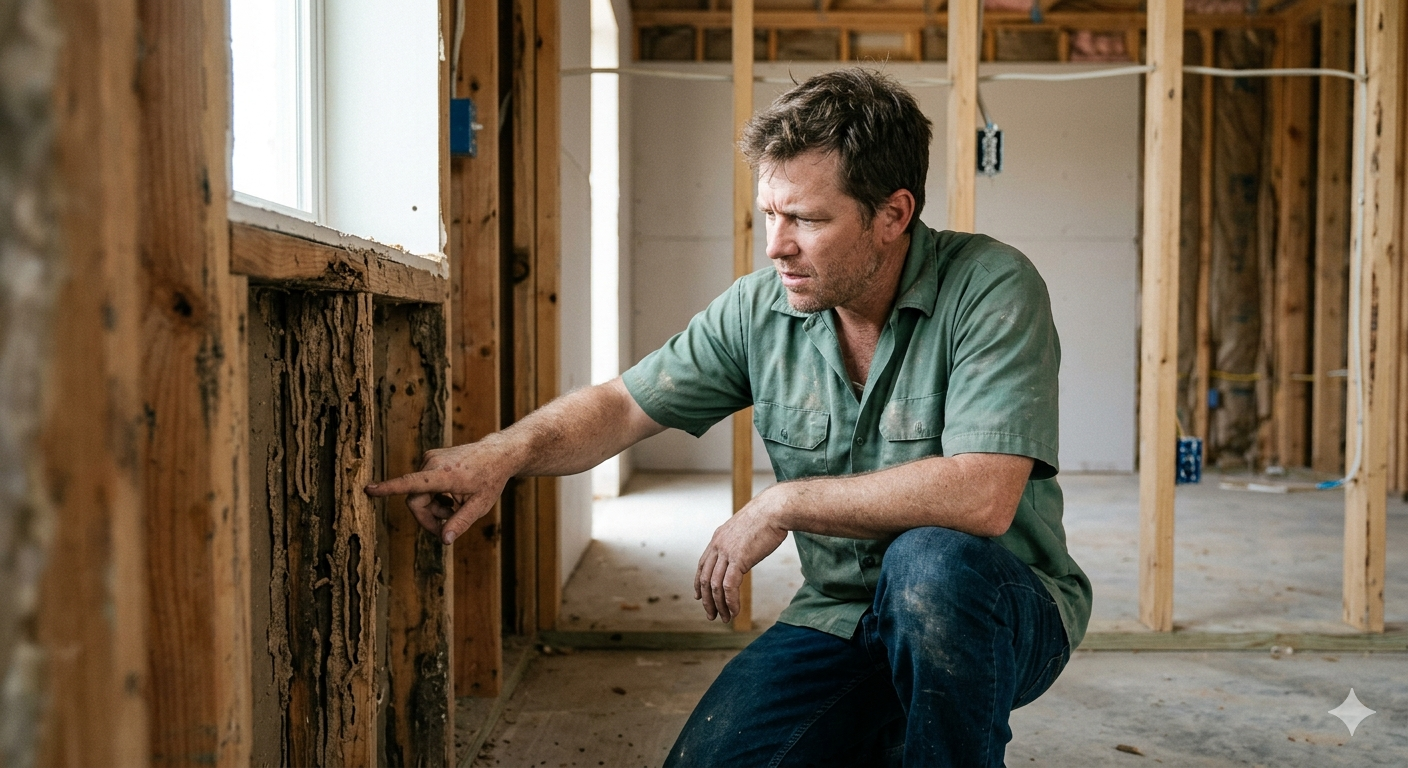

There is a common belief that newly built homes are less likely to face pest problems. Fresh materials, modern construction methods, and clean environments create the impression that pests only affect older properties. However, many new homes still experience structural pest issues within the first few years. The reason is often overlooked, and it has less to do with cleanliness and more to do with construction gaps, environmental factors, and incomplete pest control planning. This is where the role of a professional pest exterminator becomes essential, even for newly built properties.
Why New Homes Are Not Immune to Pest Problems
New homes may look sealed and secure, but they are not always fully protected against pests. During construction, multiple trades work on the property, and small gaps can be left around pipes, wiring, and structural joints. These openings may seem insignificant, but they are enough for pests to enter.
In addition, construction sites often disturb the surrounding soil. This can displace pests such as termites, rodents, and insects, pushing them towards the new structure. As a result, the home becomes an easy target shortly after completion.
A qualified pest exterminator can assess these risks early and help prevent infestations before they begin.
The Role of Soil Disturbance and Ground Conditions
One of the most overlooked causes of pest issues in new homes is soil disturbance. When land is cleared and excavated, existing pest colonies are disrupted. Instead of being eliminated, they often relocate.
Termites, in particular, thrive in soil environments. When their habitat is disturbed, they look for new food sources, and timber structures in new homes provide exactly that. Even with modern building standards, if protective measures are not properly installed or maintained, termites can still find a way in.
This is why early pest control planning is critical. It ensures that barriers and treatments are applied correctly before pests have the opportunity to establish themselves.
Construction Gaps and Entry Points
During the building process, small gaps can be left behind in areas that are difficult to access later. These include spaces around plumbing lines, electrical conduits, roof joints, and wall cavities.
These gaps are often not visible once the home is completed, but they provide direct access for pests. Over time, these entry points allow insects and rodents to enter and establish themselves within the structure.
A professional inspection by a pest exterminator can identify these hidden vulnerabilities and recommend appropriate sealing or treatment solutions as part of a broader pest control strategy.
Landscaping and External Factors
The way a new home is landscaped can also contribute to pest issues. Garden beds placed too close to the foundation, excessive mulch, or poor drainage can create ideal conditions for pests.
Moisture buildup around the base of the home is particularly attractive to termites and other insects. Timber elements such as fencing or decking placed in direct contact with soil can also act as entry pathways.
Proper landscaping decisions, combined with ongoing pest control, help reduce the likelihood of pests entering the property.
Why Pest Control Still Matters in New Homes
Many homeowners assume pest control is only necessary for older homes, but prevention should begin early. New builds can still have hidden entry points, moisture issues, and disturbed soil around the foundation. These conditions can attract termites, rodents, ants, and other structural pests before the homeowner notices any visible damage.
A professional pest exterminator can inspect these risk areas, apply suitable treatments, and recommend steps to reduce future pest activity. This creates a stronger defence than waiting until damage appears.
Moisture and Ventilation Issues
New homes are designed to be energy-efficient, but this can sometimes lead to poor ventilation in certain areas. Trapped moisture creates an environment where pests can thrive.
Bathrooms, kitchens, and subfloor areas are particularly vulnerable. If moisture is not properly managed, it can attract pests and contribute to structural damage.
Managing these conditions through regular maintenance and preventive pest control ensures that the home remains protected.
Why Early Signs Are Often Missed
Pest activity in new homes often goes unnoticed in the early stages. Because the property is new, homeowners may not expect issues and may overlook subtle signs such as small cracks, minor damage, or unusual sounds.
By the time visible signs appear, the infestation may already be established. This is why proactive monitoring is important, even in newly built homes.
A professional pest exterminator can identify early indicators that may not be obvious to homeowners.
The Importance of a Proactive Approach
Preventing pest issues in new homes requires a proactive approach rather than a reactive one. This includes regular inspections, proper maintenance, and addressing potential risks before they develop into problems.
Simple steps such as sealing gaps, managing moisture, and maintaining the surrounding environment can make a significant difference. However, these measures are most effective when combined with professional pest control services.
Working with a trusted pest exterminator ensures that all aspects of pest prevention are covered.
Long-Term Protection for New Homes
New homes represent a significant investment, and protecting that investment is essential. Structural pest issues can lead to costly repairs and long-term damage if not addressed early.
By combining good maintenance practices with ongoing pest control, homeowners can reduce the risk of infestation and maintain the integrity of their property. Preventative care is always more cost-effective than dealing with a major problem later.
Final Thoughts
New homes are not immune to pest problems. Construction gaps, soil disturbance, moisture, and external factors all contribute to the risk of infestation. These issues are often overlooked, which is why newly built properties still need proper pest control planning.
Taking a proactive approach and working with a professional pest exterminator helps identify and address these risks early. With the right strategies in place, homeowners can protect their property and avoid the long-term impact of structural pest issues.