
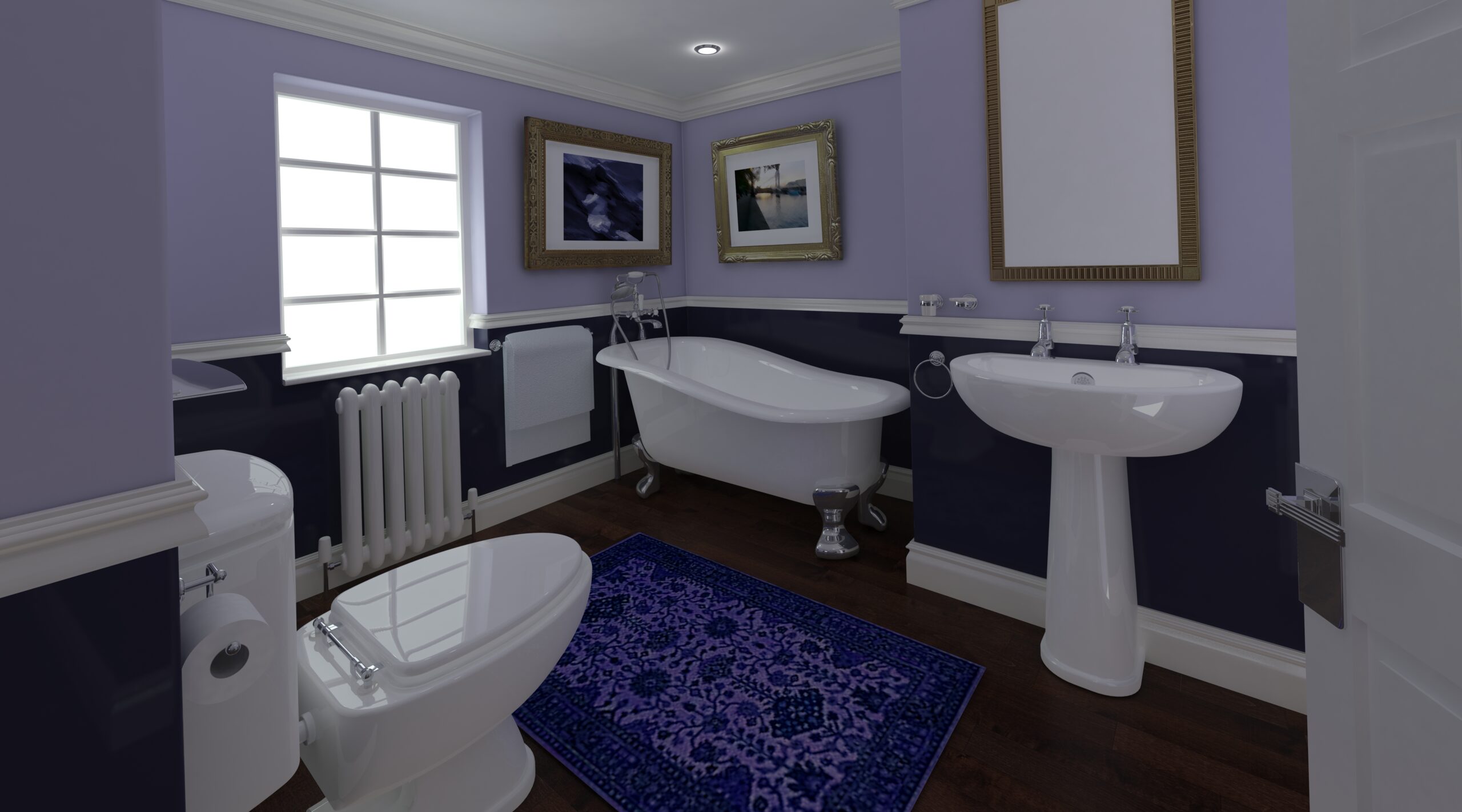

Bathrooms have changed a lot over the past few decades. What used to be a simple functional space has now become a place for comfort, efficiency, and smart design. Among the newest trends in modern bathroom upgrades is the residential urinal. Traditionally found in public restrooms, offices, stadiums, and restaurants, urinals are now slowly making their way into homes. At first glance, installing a urinal in a house might sound unusual. After all, most homes already have toilets that serve the same purpose. But when you look closer, you’ll notice that home urinals offer several advantages from saving water to improving bathroom hygiene. For households with multiple occupants, especially families with male members, this simple fixture can make everyday bathroom routines faster and cleaner. Another reason behind the rising interest in residential urinals is environmental awareness. Modern urinals are designed to use very little water—sometimes even none at all. Traditional toilets typically use about 1.6 gallons of water per flush, while modern urinals can use 0.5 to 1 gallon or even less. This difference might seem small at first, but over a year it can save thousands of gallons of water. This guide will walk you through everything you need to know about residential urinals from what they are and how they work to installation, maintenance, and whether they are worth adding to your home.
What Are Residential Urinals?
Definition and Basic Concept
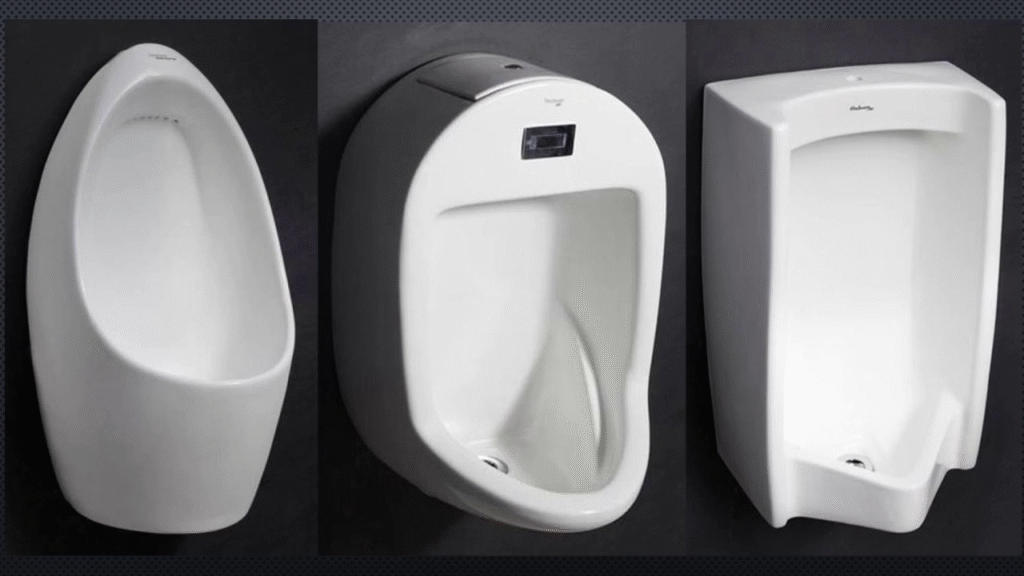
A residential urinal is a bathroom fixture designed specifically for homes that allows users typically men to urinate while standing. It functions similarly to the urinals you see in public restrooms but is designed to fit into private bathrooms, garages, basements, or “man cave” spaces. In simple terms, it is a smaller, wall-mounted or floor-mounted unit connected to the plumbing system that drains urine directly into the sewer line. Some models flush automatically using water, while others use waterless technology with special cartridges that block odors. The idea behind residential urinals is straightforward: make urination faster, cleaner, and more efficient. Because urinals are designed for this specific function, they can reduce splashes, spills, and the need to lift or lower toilet seats.
Many modern residential models also include advanced features like:
- Touchless sensor flushing
- Antimicrobial surfaces
- Water-saving flush systems
- Compact wall-mounted designs
These features make them a modern and practical upgrade for bathrooms, especially in homes with heavy daily usage.
How Residential Urinals Differ from Commercial Urinals
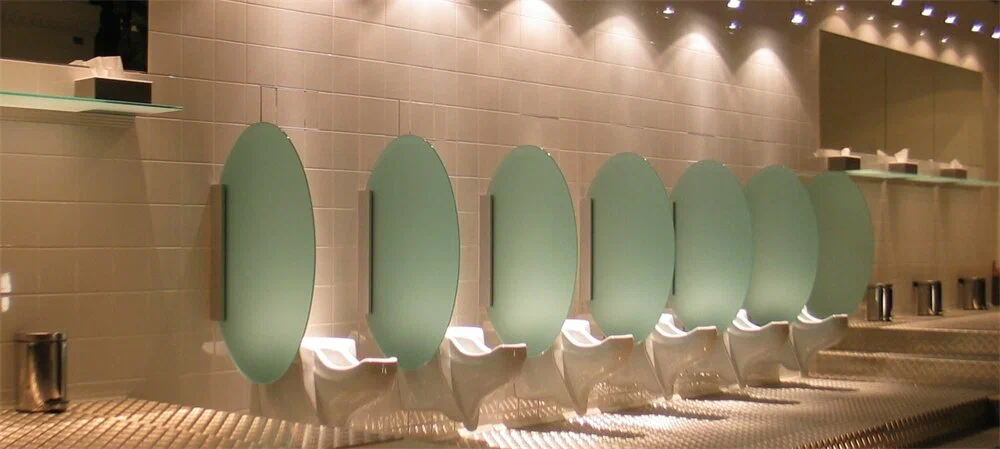
While the concept is the same, residential urinals differ significantly from commercial ones. Public restroom urinals are designed for high-traffic environments such as malls, airports, and schools. They prioritize durability and the ability to handle thousands of uses daily. Residential urinals, on the other hand, focus more on comfort, aesthetics, and efficiency. They are typically smaller, quieter, and designed to blend with modern bathroom interiors.
Key differences include:
| Feature | Residential Urinals | Commercial Urinals |
| Design | Stylish and compact | Heavy-duty |
| Size | Smaller | Larger |
| Usage | Low to moderate | High traffic |
| Water use | Often low-flow or waterless | Standard flush systems |
| Aesthetics | Designed to match home bathrooms | Functional look |
Residential urinals are also easier to install in existing home bathrooms, and some models even include lids to make them look similar to traditional fixtures.
Why Residential Urinals Are Becoming Popular
Modern Bathroom Trends
Home design trends constantly evolve, and bathrooms are no exception. Today, homeowners are investing more in functional upgrades that improve everyday life. Features like rain showers, bidets, smart toilets, and heated floors have already become popular. Residential urinals are now joining this list. One reason for their growing popularity is convenience. In busy households, mornings can be chaotic. Multiple people may need to use the bathroom at the same time, and a urinal provides an additional fixture that reduces waiting time. Imagine a household with three or four family members getting ready for work or school. When someone only needs to urinate, using a urinal instead of occupying the toilet can make the bathroom flow much smoother. Designers are also incorporating urinals into basement bathrooms, guest bathrooms, and garage restrooms, making them practical additions rather than unusual luxuries.
Eco-Friendly Living and Water Conservation
Another major factor behind the rise of residential urinals is environmental sustainability. Water conservation has become an important issue worldwide, and bathroom fixtures play a huge role in household water consumption. Urinals are engineered to use significantly less water than toilets. Modern low-flow urinals typically use 0.5 gallons per flush or less, while older toilets can use much more.Waterless urinals go even further by eliminating water usage completely. Some models can save up to 40,000 gallons of water per year compared with traditional flushing systems. For homeowners who want to reduce utility bills and support eco-friendly living, installing a residential urinal can be a surprisingly effective step.
Key Benefits of Residential Urinals
Water Efficiency and Cost Savings
Water efficiency is one of the strongest arguments for installing a residential urinal. Traditional toilets typically use around 1.6 gallons of water per flush, while efficient urinals may use as little as 0.5 gallons or none at all. Over time, this difference can translate into significant water savings. Replacing inefficient urinals with modern low-flow models can save thousands of gallons of water every year.
Less water usage means:
- Lower water bills
- Reduced environmental impact
- Less strain on plumbing systems
If your household has several male members who frequently use the toilet for urination, a urinal can dramatically reduce overall water consumption.
Improved Bathroom Hygiene
Let’s be honest bathroom cleanliness is something everyone cares about. Urinals can help maintain a cleaner and more hygienic bathroom environment. Because they are designed specifically for standing use, urinals reduce splashes and spills that often occur with traditional toilets. This helps keep the surrounding area cleaner and reduces the spread of bacteria. Modern urinals also come with touchless sensors, which automatically flush after use. This eliminates the need to touch handles or buttons, reducing germ transmission.
A cleaner bathroom means:
- Less frequent deep cleaning
- Fewer odors
- Better overall hygiene
Space-Saving Bathroom Design
Another advantage of residential urinals is their compact size. Unlike bulky toilets, most urinals are mounted on the wall and require minimal floor space.
This makes them perfect for:
- Small bathrooms
- Basement restrooms
- Garage bathrooms
- Guest bathrooms
Because they take up less space, homeowners can add a urinal without significantly altering the layout of the bathroom.
Convenience in Busy Households
In households with multiple people, bathroom traffic can become frustrating. Urinals provide a secondary fixture that speeds up bathroom usage. Instead of waiting for someone using the toilet, a person can quickly use the urinal and move on. This improves overall bathroom efficiency and makes daily routines smoother. For families, it’s a small addition that can make a surprisingly big difference.
Types of Residential Urinals
Wall-Mounted Urinals
Wall-mounted urinals are the most common type used in homes. They are attached directly to the wall and connect to the plumbing system behind it.
Benefits include:
- Space efficiency
- Easy cleaning underneath
- Modern appearance
These models are ideal for compact bathrooms.
Floor-Standing Urinals
Floor-standing urinals are less common in homes but still available. They resemble traditional toilets and rest on the floor instead of being mounted on a wall. They are typically used in larger bathrooms or luxury home designs.
Waterless Urinals
Waterless urinals are gaining popularity due to their extreme water efficiency. Instead of using water to flush waste, they rely on special cartridges and sealant liquids that prevent odors from escaping.
These urinals:
- Use zero water
- Reduce plumbing complexity
- Lower maintenance costs
Smart Sensor Urinals
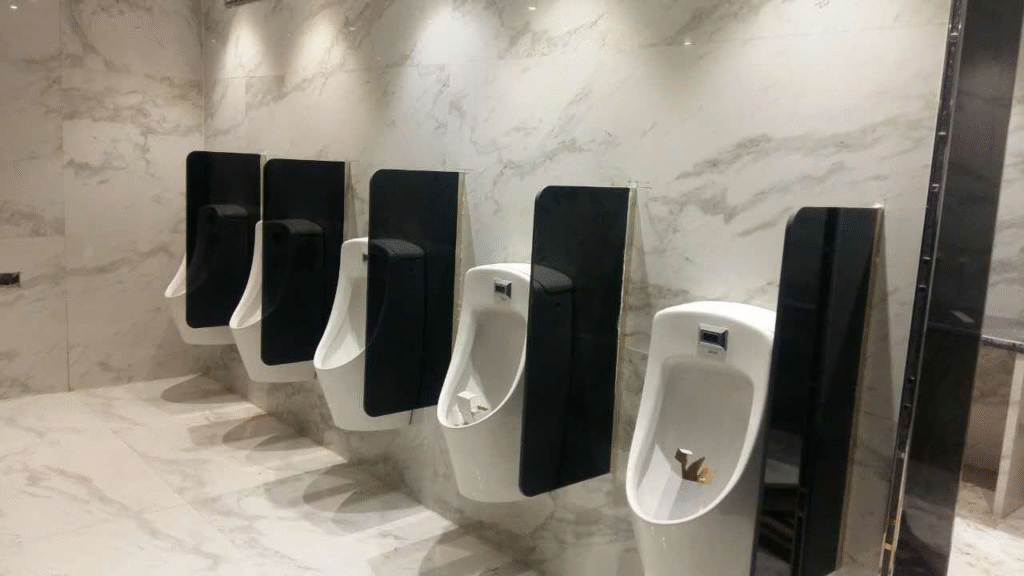
Technology has entered the bathroom, and smart urinals are part of this evolution. These units feature infrared sensors that automatically flush after use, improving hygiene and convenience. They are commonly found in luxury homes and smart bathrooms.
Residential Urinal vs Traditional Toilet
Key Differences Comparison
| Feature | Residential Urinal | Traditional Toilet |
| Primary use | Urination | Urination and defecation |
| Water usage | 0–1 gallon per flush | About 1.6 gallons |
| Space required | Compact | Larger |
| Hygiene | Reduced splash | Can be messier |
| Convenience | Faster for urination | Multi-purpose |
Both fixtures serve important roles, and many homeowners choose to install both together.
Installation Guide for Home Urinals
Plumbing Requirements
Installing a residential urinal requires:
- Water supply line (for flushing models)
- Drain connection
- Proper wall support
- Ventilation
A professional plumber can usually complete installation within a few hours.
Ideal Locations in a House
Common locations include:
- Main bathroom
- Basement bathroom
- Garage or workshop bathroom
- Outdoor pool bathrooms
These areas benefit most from quick and convenient access.
Cost of Installing a Residential Urinal
Price Breakdown
The cost of a residential urinal depends on the model, brand, and installation complexity.
| Item | Average Cost |
| Basic urinal | $200 – $600 |
| Waterless urinal | $300 – $900 |
| Smart sensor urinal | $500 – $1,500 |
| Installation | $200 – $800 |
Total installation costs typically range between $400 and $2,000 depending on plumbing work.
Maintenance and Cleaning Tips
Keeping a residential urinal clean is simple with regular maintenance.
Important tips include:
- Clean the bowl daily or weekly with disinfectant
- Replace cartridges in waterless models
- Check flush valves periodically
- Ensure proper ventilation
Because urinals have fewer moving parts than toilets, maintenance is often easier.
Are Residential Urinals Worth It?
The answer depends on your lifestyle and household needs.
Residential urinals are especially useful for:
- Large families
- Homes with multiple male occupants
- Eco-conscious households
- Basement or garage bathrooms
They save water, improve hygiene, and make bathroom routines more efficient. However, they may not be necessary for smaller households or bathrooms with limited space.
Conclusion
Residential urinals are no longer limited to public restrooms. As home design evolves and homeowners look for smarter ways to save water and improve convenience, these fixtures are becoming a practical addition to modern bathrooms. From reducing water consumption to improving bathroom hygiene, residential urinals offer several benefits that traditional toilets alone cannot provide. While they may not be necessary in every home, they can be an excellent upgrade for families seeking efficiency, cleanliness, and eco-friendly living. When thoughtfully installed and maintained, a residential urinal can transform the bathroom into a more efficient and modern space.
FAQs
1. Can you install a urinal in a house bathroom?
Yes, many homeowners install urinals in residential bathrooms. They require proper plumbing and wall support, but installation is generally straightforward.
2. Do residential urinals smell bad?
Not if they are cleaned regularly. Modern designs and waterless cartridges are specifically made to block odors effectively.
3. How much water does a residential urinal use?
Most modern urinals use 0.5 gallons or less per flush, while waterless models use no water at all.
4. Are home urinals expensive to maintain?
Maintenance costs are usually low. Waterless models may require cartridge replacement a few times per year.
5. Are residential urinals worth installing?
For households with multiple male members or high bathroom usage, residential urinals can save water, reduce mess, and improve convenience.