

A New Heart Healing Patch Could Transform Recovery After Heart Attacks
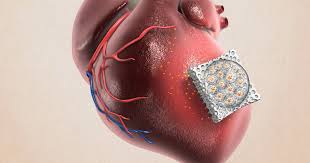
MIT engineers have developed a flexible heart healing patch that can be applied to the heart after a heart attack, helping promote regeneration of damaged cardiac tissue. This innovative patch delivers multiple drugs in a pre-programmed schedule, supporting healing and improved cardiac function.
In studies on rats, the patch reduced damaged heart tissue by 50% and significantly improved cardiac output. If approved for humans, the heart healing patch could help heart attack victims recover more cardiac function than currently possible.
Programmed Drug Delivery for Cardiac Regeneration
After a heart attack, many patients undergo bypass surgery, which improves blood flow but does not repair damaged tissue. The MIT team aimed to develop a heart healing patch that could be applied during surgery to deliver drugs in a timed, phase-specific manner.
Traditional drug delivery releases medication all at once, but the patch’s timed release matches the natural healing process. By programming microparticles to release drugs on days 1–3, 7–9, and 12–14 post-implantation, the patch coordinates therapy with tissue recovery.
How the Heart Healing Patch Works
The patch incorporates microparticles made from PLGA polymers, each containing a different drug. By adjusting polymer molecular weight, researchers control when drugs are released:
- Neuregulin-1 prevents cell death in the damaged tissue.
- VEGF stimulates blood vessel growth around the heart.
- GW788388 inhibits scar tissue formation.
These particles are embedded in a thin, flexible hydrogel similar to a contact lens. Made from biocompatible polymers (alginate and PEGDA), the hydrogel eventually dissolves without affecting heart function.
Promising Results in Preclinical Tests
The heart healing patch was tested on heart tissue spheres composed of cardiomyocytes, endothelial cells, and fibroblasts, then placed under low-oxygen conditions mimicking a heart attack. The patch improved cell survival, promoted vascular growth, and reduced fibrosis.
In rat models, the patch demonstrated:
- 33% higher survival rates
- 50% reduction in damaged heart tissue
- Significantly increased cardiac output
Over time, the patch dissolves safely, leaving only a thin, unobtrusive layer on the heart.
Future of Heart Healing Patches
Currently, the patch requires surgical implantation, but MIT researchers are exploring the integration of microparticles into stents for minimally invasive delivery. Neuregulin-1 and VEGF have undergone clinical trials, while GW788388 remains in animal studies. Further research aims to advance the heart healing patch to human trials.
Conclusion
The heart healing patch represents a breakthrough in cardiac care. By combining programmed drug delivery with biocompatible biomaterials, this technology could significantly improve recovery for heart attack patients, reduce scarring, and enhance overall heart function.
MIT’s innovation may usher in a new era of cardiac treatment, offering hope for millions of patients worldwide.
