
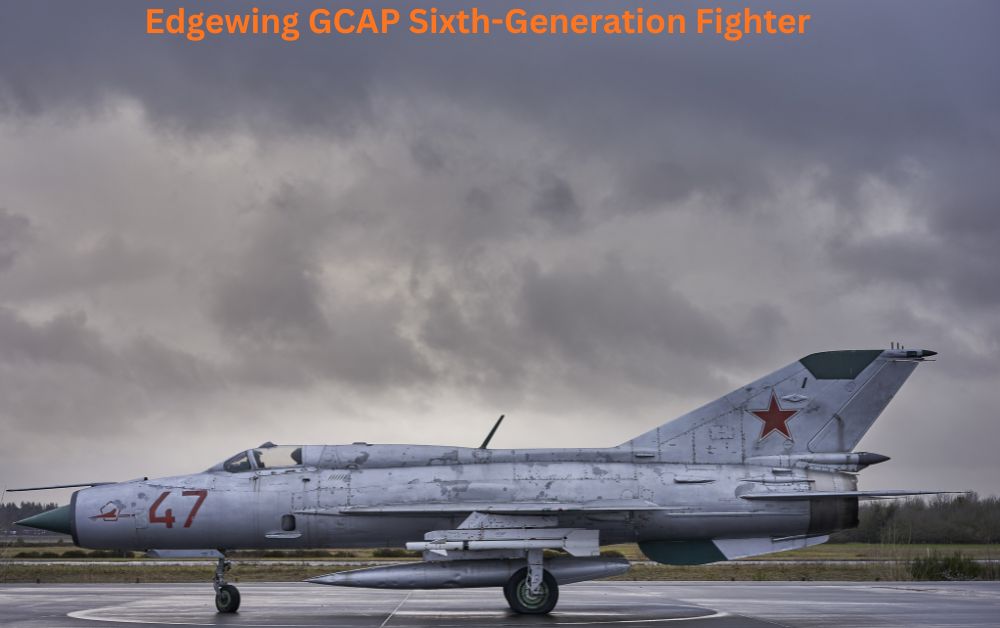

The future of air combat is quietly taking shape, and one of the most talked-about concepts in this space is the Edgewing GCAP sixth-generation fighter. Designed under the Global Combat Air Programme (GCAP), this next-generation aircraft represents far more than just a new jet. It reflects a shift in how nations think about defense, technology, collaboration, and long-term security. With a gentle but confident step forward, the Edgewing GCAP concept points toward a future where air superiority is defined not only by speed and firepower, but also by intelligence, adaptability, and seamless cooperation between humans and machines.
A Popular Vision for the Future of Air Power
The Edgewing GCAP sixth-generation fighter is often described as a symbol of the next phase of military aviation. Unlike earlier generations of fighter jets, which focused heavily on raw performance, this aircraft is built around a broader vision. It is expected to combine stealth, advanced sensors, artificial intelligence, and network-centric warfare into a single, integrated platform. The idea is simple but powerful: instead of operating alone, the fighter becomes part of a wider system, sharing data in real time and acting as the central brain of an aerial combat network.At its core, the Edgewing GCAP concept aims to give pilots unmatched situational awareness. Imagine flying with a clear, almost intuitive understanding of everything happening around you, even beyond visual range. That is the promise of sixth-generation technology. The aircraft is designed to “see first, decide first, and act first,” reducing reaction time and increasing mission success while keeping pilots safer.
What Makes the Edgewing GCAP Sixth-Generation Fighter Different
What truly sets the Edgewing GCAP sixth-generation fighter apart is its emphasis on integration rather than isolation. Traditional fighters rely mainly on their own radar and onboard systems. In contrast, the GCAP approach envisions a fighter that works closely with drones, satellites, ground systems, and allied aircraft. These unmanned systems, sometimes called loyal wingmen, are expected to fly alongside the main fighter, extending its reach and taking on high-risk tasks.This shift changes the pilot’s role as well. Instead of managing every detail manually, pilots are expected to work more like mission commanders. Artificial intelligence will handle data filtering, threat analysis, and even some tactical decisions, allowing the human pilot to focus on strategy rather than overload. This balance between human judgment and machine precision is one of the most exciting aspects of the Edgewing GCAP vision.
Design Philosophy and Stealth Evolution
From a design perspective, the Edgewing GCAP sixth-generation fighter is expected to push stealth technology further than ever before. While fifth-generation aircraft already minimize radar visibility, sixth-generation designs aim to be stealthy across multiple domains. This includes radar, infrared, and even electronic signatures. The aircraft’s shape, materials, and heat management systems are likely to be carefully engineered to reduce detection from all angles.The term “Edgewing” itself suggests an emphasis on aerodynamic efficiency and advanced wing design. Smooth lines, blended body structures, and adaptive surfaces could help the aircraft perform efficiently across a wide range of speeds and altitudes. Rather than being optimized for just one type of mission, the fighter is expected to adapt dynamically, making it suitable for air dominance, reconnaissance, and coordinated strike roles.
The Role of International Collaboration
One of the most meaningful aspects of the Edgewing GCAP sixth-generation fighter is the way it represents international cooperation. GCAP brings together leading aerospace industries and defense experts from multiple nations, pooling knowledge and resources. This collaborative approach reduces duplication, shares costs, and accelerates innovation.In a world where defense challenges are increasingly global, this model makes sense. The Edgewing GCAP project is not just about building an aircraft; it is about building trust, shared standards, and long-term partnerships. This cooperative foundation may prove just as important as the technology itself, ensuring interoperability and mutual support for decades to come.
Technology at the Heart of the GCAP Fighter
Technology is the heartbeat of the Edgewing GCAP sixth-generation fighter. Advanced sensors are expected to provide a full-spectrum view of the battlespace, collecting data from radar, infrared, electronic signals, and external platforms. This information will be fused into a single, easy-to-understand picture for the pilot.Artificial intelligence plays a central role here. Instead of overwhelming the pilot with raw data, AI systems will prioritize threats, suggest responses, and even learn from previous missions. Over time, this learning capability could make each aircraft smarter and more effective, adapting to new tactics and environments without constant hardware changes.
Sustainability and Long-Term Thinking
Another gentle but important theme behind the Edgewing GCAP sixth-generation fighter is sustainability. Modern defense programs increasingly consider not only performance, but also lifecycle costs, maintenance, and environmental impact. Designers are expected to focus on modular systems that can be upgraded easily, extending the aircraft’s relevance without the need for complete redesigns.Fuel efficiency, reduced maintenance downtime, and smarter logistics all contribute to this long-term mindset. The goal is to create an aircraft that remains effective and affordable throughout its service life, supporting both operational readiness and responsible resource management.
Challenges and Realistic Expectations
While the vision of the Edgewing GCAP sixth-generation fighter is inspiring, it is also complex. Developing such advanced technology comes with challenges, including cost control, technical integration, and cybersecurity. Balancing cutting-edge innovation with reliability is never easy, especially in systems where lives and national security are at stake.
However, these challenges are not obstacles but opportunities for learning and refinement. Each step forward helps define realistic expectations and practical solutions, ensuring that the final aircraft delivers on its promise without unnecessary risk.
Why the Edgewing GCAP Concept Matters
The importance of the Edgewing GCAP sixth-generation fighter goes beyond military capability. It represents how technology, cooperation, and thoughtful design can come together to address future uncertainties. In many ways, it reflects a broader shift toward smarter, more connected systems that value adaptability over brute force.For aviation enthusiasts, defense analysts, and policymakers alike, the Edgewing GCAP story is a reminder that progress often happens quietly, through careful planning and shared vision rather than dramatic headlines.
Conclusion
The Edgewing GCAP sixth-generation fighter stands as a calm but confident step into the future of air combat. By blending advanced technology, human-centered design, and international collaboration, it promises to redefine what a fighter aircraft can be. While challenges remain, the underlying vision is clear: a smarter, safer, and more connected approach to air power. As development continues, the Edgewing GCAP concept will likely shape not only the next generation of aircraft, but also the way nations think about defense in an increasingly complex world.
FAQs
1. What is the Edgewing GCAP sixth-generation fighter?
It is a conceptual next-generation fighter aircraft developed under the Global Combat Air Programme, focusing on advanced technology and networked warfare.
2. How is a sixth-generation fighter different from current jets?
Sixth-generation fighters emphasize artificial intelligence, deep integration with drones, advanced stealth, and real-time data sharing.
3. Will the Edgewing GCAP fighter replace existing aircraft?
It is expected to complement and eventually replace older platforms as they reach the end of their service lives.
4. Why is international cooperation important for GCAP?
Collaboration helps share costs, expertise, and technology while ensuring interoperability between allied nations.
5. When is the Edgewing GCAP fighter expected to enter service?
While exact timelines vary, it is generally aimed for deployment in the mid-2030s, following extensive testing and development.
