
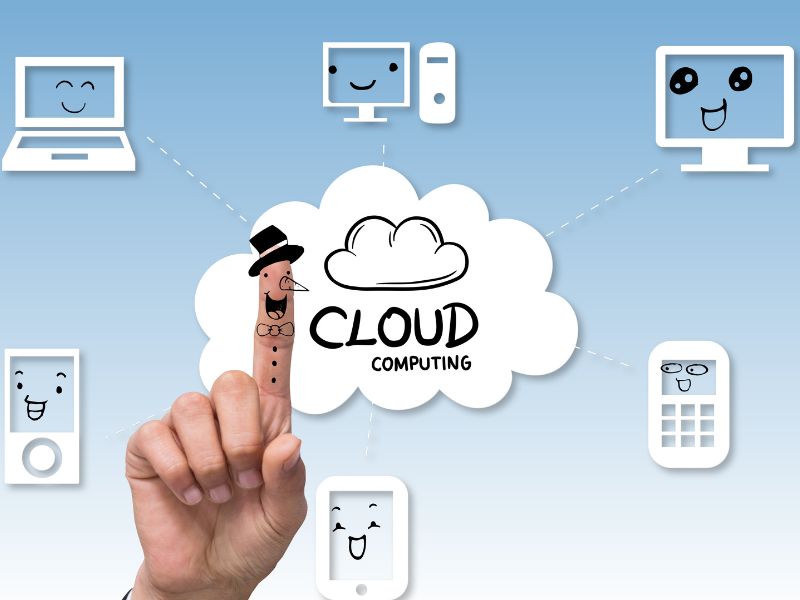

Introduction: Why Everyone Is Talking About Cloud Computing
Have you ever saved photos to Google Drive, watched a movie on Netflix, or sent emails using Gmail? If yes, then you have already used cloud computing—without even realizing it. Cloud computing has quietly become the backbone of the digital world, powering everything from small apps to massive global platforms. This beginner-friendly guide explains what cloud computing, how it works, and why it matters all in simple language, without technical confusion.
What Is Cloud Computing?
Cloud computing is the delivery of computing services such as storage, servers, databases, software, and networking over the internet instead of on your personal computer or local server. In simple terms, cloud computing means using someone else’s computer over the internet to store data and run applications. Instead of saving files on your hard drive, you store them online and access them anytime, anywhere.
How Cloud Computing Works
When you use a cloud service, your data is stored on powerful remote servers managed by cloud providers. These servers process information and send results back to your device through the internet. You don’t need to worry about hardware, updates, or maintenance. The cloud provider handles everything behind the scenes, allowing you to focus on using the service.
Types of Cloud Computing Services
Infrastructure as a Service (IaaS)
IaaS provides basic computing resources such as virtual servers and storage. Businesses use it to build flexible IT systems without buying physical hardware.
Platform as a Service (PaaS)
PaaS offers a ready-made environment for developers to build and deploy applications. It removes the complexity of managing servers and infrastructure.
Software as a Service (SaaS)
SaaS delivers software applications over the internet. Popular examples include email services, online office tools, and cloud storage platforms.
Types of Cloud Deployment Models
Public Cloud
Public cloud services are shared by multiple users and managed by third-party providers. They are affordable and easy to use.
Private Cloud
Private clouds are dedicated to a single organization, offering more control and security.
Hybrid Cloud
A hybrid cloud combines public and private clouds, giving businesses flexibility and balance.
Benefits of Cloud Computing
One of the biggest advantages of cloud computing is cost savings. You pay only for what you use, eliminating the need for expensive hardware.
Cloud services also offer scalability, allowing businesses to increase or decrease resources as needed. Accessibility is another key benefit—you can access data from anywhere with an internet connection.
Common Uses of Cloud Computing
Cloud computing is used for data storage, website hosting, app development, streaming services, online collaboration, and backup solutions. Businesses rely on the cloud to improve productivity, while individuals use it for convenience and data safety
Is Cloud Computing Secure?
Security is a common concern, but major cloud providers invest heavily in advanced protection measures. These include encryption, firewalls, and continuous monitoring. While no system is 100% risk-free, cloud computing is often more secure than local storage when managed properly.
Cloud Computing for Businesses
Businesses use cloud computing to reduce costs, improve efficiency, and support remote work. It allows startups to compete with large companies without heavy IT investments. Cloud solutions also enable faster innovation and better customer experiences.
Cloud Computing for Individuals and Students
For individuals, cloud computing simplifies daily digital life. Students can store assignments, collaborate on projects, and access learning resources anytime.Cloud tools support learning, creativity, and productivity across devices.
Cloud Computing vs Traditional Computing
Traditional computing relies on local hardware and software installations. Cloud computing removes these limitations by offering flexibility, automatic updates, and remote access. The shift to the cloud reduces maintenance and increases reliability.
Future of Cloud Computing
Cloud computing continues to evolve with technologies like artificial intelligence, edge computing, and automation. As more services move online, cloud demand will only increase. The future points toward smarter, faster, and more integrated cloud solutions.
Conclusion: Why Cloud Computing Matters
Understanding what cloud computing is helps you make better decisions in a digital world. It simplifies technology, reduces costs, and improves accessibility for individuals and businesses alike. As the internet continues to grow, cloud computing will remain a key driver of innovation and convenience.