
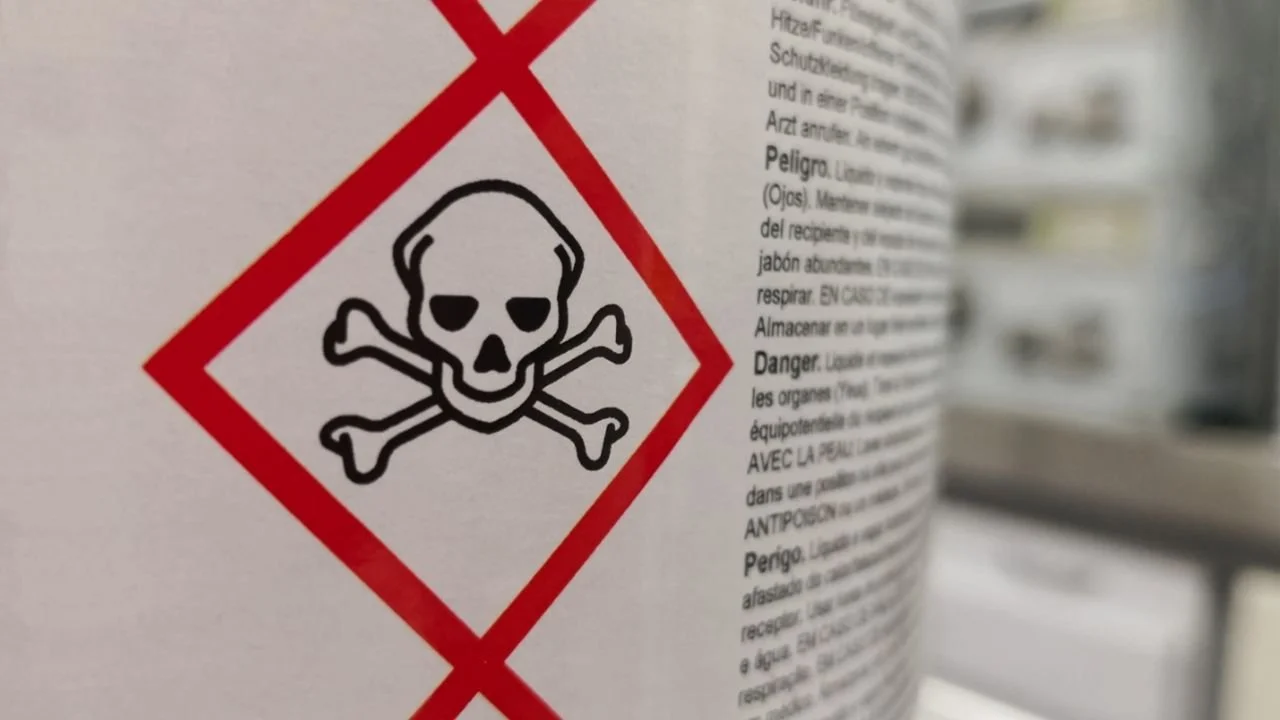

If you’ve ever built or upgraded a computer, you’ve probably used thermal paste — that silvery-gray compound applied between the CPU and the heat sink to improve heat transfer. But many people wonder: Is thermal paste toxic?
The short answer is most thermal pastes are not highly toxic, but they can be irritating or harmful if misused. While modern formulations are designed to be safe for normal handling, some contain chemicals or metals that could pose risks if ingested, inhaled, or left on the skin for extended periods.
In this guide, we’ll break down what thermal paste is made of, its potential health hazards, safe handling practices, and what to do if you accidentally come into contact with it.
What Is Thermal Paste?
Purpose and Function
Thermal paste (also known as thermal compound, thermal grease, or heat sink compound) is a conductive material that fills microscopic gaps between a processor and its heat sink. These gaps can trap air, which is a poor conductor of heat. The paste ensures efficient heat transfer, preventing overheating and improving CPU performance.
Where It’s Used
Thermal paste is commonly applied in:
- CPUs and GPUs
- Game consoles
- Laptops
- Power transistors and amplifiers
Without proper thermal paste, your hardware could overheat, throttle performance, or even sustain permanent damage.
What Is Thermal Paste Made Of?
Thermal pastes vary by brand and type, but most contain a mix of base materials and additives for conductivity. Understanding these ingredients helps determine how toxic they might be.
1. Silicone or Synthetic Oil Base
Most thermal compounds use silicone oil or another synthetic polymer as a base. These materials are not toxic but can cause minor skin or eye irritation.
2. Conductive Fillers
This is the crucial component. Fillers can include:
- Zinc oxide (ZnO) – Non-toxic, commonly used in sunscreen.
- Aluminum oxide (Al₂O₃) – Safe but can cause irritation if inhaled as dust.
- Silver or copper powder – Conductive but potentially hazardous in raw form; however, encapsulated in paste, risk is minimal.
- Ceramic compounds – Chemically stable and non-toxic.
3. Additives
Some pastes include proprietary additives for viscosity or shelf life. These are generally safe in small amounts but can cause skin irritation if not washed off.
Is Thermal Paste Toxic to Humans?
Most modern thermal pastes are not highly toxic, but they can still cause mild irritation or discomfort if misused. Toxicity depends on the formulation, duration of exposure, and the route of exposure.
1. Skin Contact
Accidental skin contact is common when applying or cleaning thermal paste.
- Risk: Mild irritation or redness.
- Action: Wash with soap and water immediately. Avoid prolonged contact.
2. Eye Contact
Getting thermal paste in your eyes can be painful and potentially dangerous.
- Risk: Burning sensation, tearing, or blurred vision.
- Action: Rinse eyes with clean water for at least 15 minutes and seek medical attention if symptoms persist.
3. Inhalation
Thermal paste does not produce toxic fumes under normal use. However, sanding or burning the paste (for instance, during component failure) can release harmful particles.
- Risk: Respiratory irritation.
- Action: Move to fresh air; seek medical help if coughing or difficulty breathing occurs.
4. Ingestion
Swallowing thermal paste is not common but can occur accidentally, especially in children.
- Risk: Stomach upset, nausea, or metallic taste.
- Action: Do not induce vomiting. Rinse mouth and contact a medical professional or poison control center immediately.
Toxic Components to Watch Out For
Although most consumer-grade pastes are relatively safe, some older or industrial-grade variants contain hazardous materials.
1. Metal-Based Pastes
High-performance compounds may contain silver, copper, or gallium. These metals improve conductivity but can:
- Be toxic if ingested.
- Cause skin irritation for sensitive users.
- React chemically with aluminum components (in gallium-based pastes).
2. Carbon and Graphite Pastes
Non-metallic but electrically conductive, these materials can irritate skin or eyes but are not toxic.
3. Liquid Metal Pastes
Used in extreme cooling setups, liquid metal compounds (gallium, indium, tin alloys) are highly conductive but also corrosive and toxic if mishandled. They should never be touched directly with skin or applied on aluminum surfaces.
Is Thermal Paste Toxic to Pets or the Environment?
Pets
If a pet accidentally licks or chews on thermal paste, it could cause:
- Vomiting
- Drooling
- Mild poisoning symptoms
In such cases, contact a veterinarian immediately. Keep paste tubes and components away from animals.
Environment
While small amounts of thermal paste don’t pose a significant environmental risk, improper disposal in large quantities can be harmful due to the metallic content. Always dispose of it responsibly as electronic or chemical waste.
Safety Precautions When Using Thermal Paste
1. Use Protective Gear
Wear disposable gloves when applying thermal paste to prevent skin contact. If you don’t have gloves, wash your hands thoroughly afterward.
2. Avoid Overapplication
Only a small pea-sized amount is needed. Excess paste may spill onto other components, potentially causing short circuits or making cleanup harder.
3. Ventilation
Work in a well-ventilated area. While thermal paste doesn’t release toxic fumes, a ventilated space ensures overall safety when cleaning electronics.
4. Keep Away from Children and Pets
Store your thermal paste in its original container, tightly sealed, and out of reach of children and pets.
5. Proper Cleanup
If you spill thermal paste, use isopropyl alcohol (IPA) and a soft cloth to clean it. Avoid using your bare hands or paper towels, which can spread residue.
What to Do in Case of Exposure
| Exposure Type | Symptoms | Immediate Action |
| Skin contact | Redness, mild irritation | Wash thoroughly with soap and water |
| Eye contact | Burning, tearing | Rinse eyes for 15 minutes; seek medical attention |
| Ingestion | Nausea, vomiting | Rinse mouth; contact poison control or doctor |
| Inhalation | Coughing, difficulty breathing | Move to fresh air; seek medical help |
Remember, the majority of incidents result in minor irritation only, but always err on the side of caution.
Are There Non-Toxic Thermal Paste Alternatives?
If you’re concerned about toxicity or environmental impact, several eco-friendly or non-toxic thermal pastes are available. Look for:
- Silicone-based or ceramic-based compounds.
- Brands advertising RoHS-compliant or non-conductive formulations.
- Avoid liquid metal pastes unless you are an experienced user.
Some reliable, safer brands include:
- Arctic MX-6
- Noctua NT-H1
- Thermal Grizzly Kryonaut (safe when used properly)
These options balance high performance with low toxicity and are safe for home use.
Conclusion
So, is thermal paste toxic?
In general, no most modern thermal pastes are formulated to be safe for handling and use, provided you take reasonable precautions. The ingredients can cause mild irritation if they come into contact with skin or eyes, and ingestion should always be avoided.
The key to safety is proper application, careful cleanup, and responsible storage. For professionals and hobbyists alike, understanding the composition of your thermal paste ensures both effective cooling and peace of mind during every PC build or repair.
