
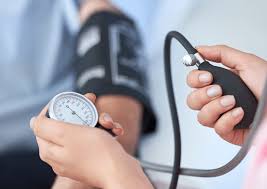

Understanding High Blood Pressure and Its Hidden Causes
High blood pressure, or hypertension, affects millions worldwide and remains one of the leading risk factors for heart disease, stroke, and kidney failure. While poor diet, stress, and lack of physical activity are well-known contributors, new research is revealing another major factor — the gut microbiome.
Recent studies show that the bacteria living in our digestive system may influence blood pressure regulation, suggesting that improving gut health could be a key strategy in preventing and managing hypertension. Let’s explore what causes high blood pressure, how gut health plays a role, and the healthy habits that can help keep your blood pressure under control.
How the Gut Microbiome Influences High Blood Pressure
The gut microbiome refers to the community of microorganisms — including bacteria, viruses, and fungi — that live in the digestive tract. These microbes help with digestion, immune function, and even hormone production. But science now shows that they also play an important role in maintaining healthy blood pressure.
When the balance of “good” and “bad” bacteria is disturbed, a condition called dysbiosis, it can lead to chronic inflammation throughout the body. This inflammation damages blood vessels, affects kidney function, and disrupts hormones that regulate blood pressure.
Healthy gut bacteria also produce compounds called short-chain fatty acids (SCFAs), which help keep blood vessels flexible and reduce inflammation. A lack of these beneficial compounds — often caused by low microbial diversity — can contribute to elevated blood pressure levels.
Certain bacterial strains, such as Lactobacillus and Bifidobacterium, have been linked to lower blood pressure, thanks to their ability to reduce inflammation and strengthen the gut barrier. On the other hand, an overgrowth of harmful bacteria can increase immune responses that constrict blood vessels, further raising hypertension risk.
Traditional Causes and Risk Factors of High Blood Pressure
While the gut microbiome is an exciting new discovery, high blood pressure still results from a combination of well-established factors:
- Genetics: A family history of hypertension increases risk.
- Diet: Excessive sodium causes the body to retain water, increasing blood volume and pressure.
- Obesity: Excess body fat strains the cardiovascular system and alters hormone regulation.
- Lack of exercise: A sedentary lifestyle weakens the heart and arteries.
- Stress: Chronic stress raises levels of cortisol and adrenaline, which temporarily elevate blood pressure and damage arteries over time.
- Medical conditions: Kidney disease, diabetes, and thyroid disorders can all contribute to hypertension.
Interestingly, research now shows that gut microbiome imbalance can worsen many of these factors. For example, obesity-related hypertension often coincides with a reduction in beneficial gut bacteria, leading to inflammation and impaired metabolism. This connection underscores the strong link between digestive health and cardiovascular wellness.
How to Control High Blood Pressure Through Lifestyle and Gut Health
Managing high blood pressure isn’t just about medication — it’s about making lasting lifestyle changes that benefit both your heart and gut. Here are key strategies:
1. Eat a Gut-Healthy Diet
A diet rich in fiber, fruits, vegetables, and whole grains supports both heart and gut health.
Include natural probiotics such as yogurt, kefir, kimchi, and sauerkraut to promote beneficial bacteria, and add prebiotic foods like bananas, garlic, onions, and oats to feed those good microbes.
2. Exercise Regularly
Physical activity strengthens the heart, reduces stress hormones, and improves circulation. Studies also show that regular exercise increases microbial diversity, which can positively influence blood pressure regulation.
3. Limit Salt and Processed Foods
Too much sodium can raise blood pressure and disrupt gut bacteria balance. Stick to natural, whole foods and read labels carefully to limit hidden salt intake.
4. Manage Stress Effectively
Chronic stress contributes to high blood pressure and poor digestion. Mindfulness, deep breathing, yoga, or meditation can help reduce stress and support overall wellness.
5. Monitor Blood Pressure Regularly
Regular checkups help track progress and detect early warning signs. Those with a family history of hypertension should be especially proactive.
6. Support Gut Health with Probiotics
While research is still developing, probiotic supplements containing Lactobacillus or Bifidobacterium strains may help reduce blood pressure when combined with a balanced diet.
Conclusion
High blood pressure is a complex condition influenced by genetics, lifestyle, and — as new research shows — gut health. The bacteria in your digestive system may play a major role in regulating blood vessel function and inflammation, offering promising new avenues for prevention and treatment.
By combining traditional methods like exercise and a balanced diet with gut-friendly habits, you can take a holistic approach to managing high blood pressure. As scientists continue to explore the gut-heart connection, maintaining a healthy microbiome could become one of the most effective strategies for lifelong cardiovascular health.
Frequently Asked Questions
1. How does gut health affect blood pressure?
A healthy gut microbiome helps regulate blood vessel tone, inflammation, and hormone levels, all of which influence blood pressure.
2. Can improving gut bacteria reduce hypertension?
Yes. Research suggests that eating probiotics and high-fiber foods can help lower blood pressure in some people.
3. What are the best lifestyle changes for controlling high blood pressure?
Follow a balanced diet, stay active, manage stress, and avoid smoking and alcohol to maintain healthy blood pressure.
4. Are probiotics effective in lowering blood pressure?
Some studies indicate that probiotics may help reduce systolic and diastolic pressure, particularly when combined with other healthy habits.
