

Putting Patient Safety First
In healthcare settings, patient safety is the highest priority. While advanced medical equipment and modern treatments are vital to patient care, the ability to respond quickly and effectively during emergencies is just as important. This is where First Aid training plays a critical role. Healthcare professionals trained in First Aid are better prepared to manage unexpected situations, protect patient well-being, and maintain a safe clinical environment. From responding to sudden allergic reactions and patient falls to providing immediate care before emergency teams arrive, First Aid training is a fundamental part of high-quality healthcare delivery. Hospitals, clinics, and medical institutions must ensure their staff are properly trained to act confidently and efficiently during emergencies.
The Importance of First Aid in Healthcare Settings
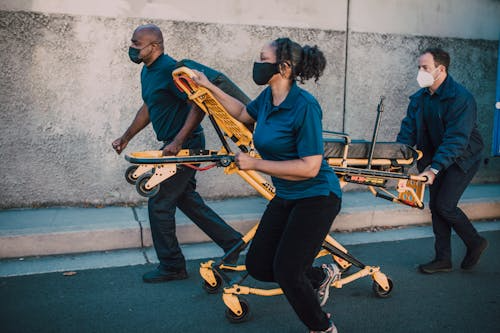
First Aid training covers a broad range of essential skills that are particularly valuable in healthcare environments. Whether dealing with minor incidents or life-threatening situations, trained staff can make a meaningful difference.
1. Rapid Response to Medical Emergencies
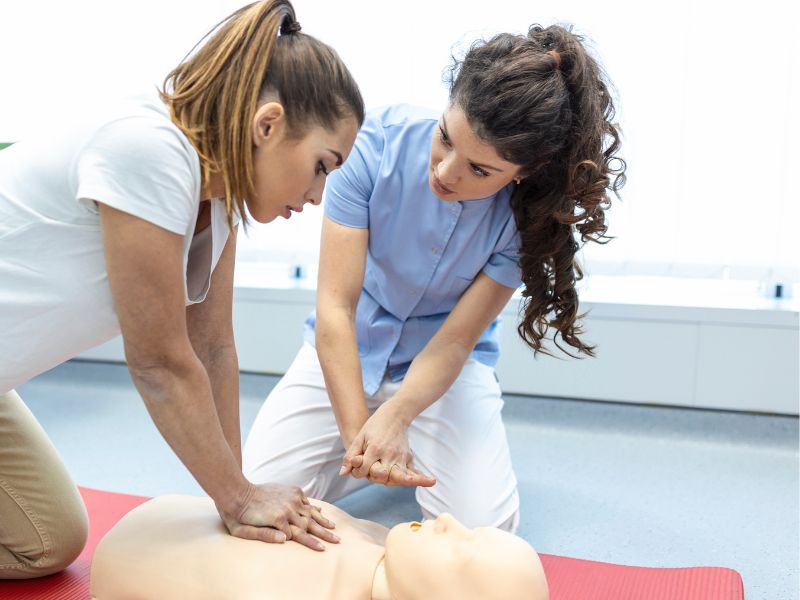
Medical emergencies can occur at any moment. Cardiac arrest, severe allergic reactions, or sudden injuries require immediate action. Healthcare professionals trained in CPR and First Aid can stabilize patients until advanced medical care is available.
For example, during cardiac arrest, every minute without CPR significantly lowers survival chances. First Aid training equips healthcare workers with life-saving techniques that help minimize damage and improve patient outcomes.
2. Effective Management of Minor Injuries
Healthcare environments involve daily exposure to potential hazards, such as sharp instruments, hot equipment, or slippery surfaces. Minor injuries like cuts, burns, and bruises are common. First Aid training enables staff to treat these injuries promptly, reduce discomfort, and prevent infections or complications—especially in fast-paced, high-pressure settings.
3. Addressing Mental Health Emergencies
First Aid training is not limited to physical injuries. Mental health emergencies are increasingly recognized as a critical concern in healthcare environments. Many organizations now include mental health First Aid as part of their training programs. This helps staff identify signs of anxiety attacks, depression, emotional distress, or suicidal thoughts and provide immediate support until specialized care is available. Healthcare professionals trained in mental health First Aid can intervene early, offer reassurance, and guide patients toward appropriate mental health resources.
Key Benefits of First Aid and CPR Training for Healthcare Professionals
First Aid and CPR training offer long-term advantages beyond emergency preparedness.
1. Better Patient Outcomes
Timely intervention by trained professionals can significantly reduce injury severity and save lives. Knowing how to stop severe bleeding, perform CPR, or manage shock improves a patient’s chances of survival and recovery during critical situations.
2. Greater Confidence and Emergency Readiness
Healthcare workers with First Aid and CPR certification feel more confident and prepared when emergencies occur. This confidence leads to calm, controlled responses, even in stressful situations. Well-prepared staff can focus on delivering quality care without panic or hesitation.
3. Compliance with Health and Safety Regulations
Many healthcare organizations are legally required to maintain First Aid and CPR-certified staff. Proper training ensures compliance with national and international health and safety standards, creating a secure environment for both patients and healthcare workers.
4. Improved Teamwork and Efficiency
When all team members are trained in First Aid and CPR, emergency response becomes more coordinated and efficient. Clear communication and role awareness reduce response times and improve overall effectiveness during critical incidents.
Integrating First Aid Training into Healthcare Practice
Healthcare organizations should make First Aid and CPR training a core part of professional development. Best practices include:
- Regular Training and Refresher Courses: Ongoing education ensures staff remain up to date with current First Aid techniques and guidelines.
- Simulated Emergency Drills: Practical drills allow healthcare professionals to practice real-life scenarios, improving readiness and teamwork.
- Promoting a Safety-Oriented Culture: Encouraging staff to prioritize emergency preparedness fosters confidence, accountability, and patient safety throughout the organization.
Conclusion: A Strong Commitment to Patient Safety
First Aid and CPR training are essential components of effective healthcare delivery. These skills empower professionals to respond swiftly to emergencies, protect patient safety, and improve clinical outcomes. By integrating First Aid training into daily healthcare practices, organizations demonstrate a strong commitment to quality care, staff preparedness, and patient well-being. Ultimately, it is an investment in safer healthcare environments and better lives.