


Introduction
The increasing number of Cyprus-based proprietary trading firms which have gone bankrupt now creates a significant issue that affects financial markets across the globe. European Union membership together with the Cyprus regulatory framework has created an appealing business environment for proprietary trading firms and financial services companies. The current enforcement operations and subsequent company closures reveal existing flaws which create risks for both traders and investors and the entire market system. The article investigates which regulatory failures led to increasing financial troubles that ended with the bankruptcy of proprietary trading firms in Cyprus. Our investigation will focus on how investor protection measures together with licensing requirements and supervisory framework and compliance deficiencies have influenced these results. Regulatory issues need to be understood by traders and stakeholders because they will help them to create more effective risk management strategies through learning from previous failures.
Understanding Cyprus Based Prop Firm Bankruptcies
Before digging into regulatory failures, it is important to define what is meant by cyprus based prop firm bankruptcies. Proprietary trading firms, commonly known as prop firms, are financial institutions that trade markets using their own capital rather than client accounts. They often offer traders capital in return for profit sharing. When such firms go bankrupt or collapse, it can leave traders with unpaid performance fees, unrecovered deposits, or unresolved legal claims. In Cyprus, many prop firms operate under the regulatory supervision of the Cyprus Securities and Exchange Commission (CySEC) as Cyprus Investment Firms (CIFs). A bankruptcy or license revocation does not necessarily mean fraud occurred, but it often raises questions about whether regulatory oversight was adequate to protect system integrity and client interests.
Role of Regulation in Cyprus Financial Markets
The European Union recognizes Cyprus as a financial center because its local regulations and European Union rules form the basis of its financial regulatory framework. The CySEC serves as the main regulatory authority which oversees investment companies and brokerage businesses and proprietary trading firms that operate in Cyprus. The organization has primary responsibility for its core functions which include issuing licenses and carrying out compliance tests and implementing enforcement measures and protecting investors. The CySEC regulatory authority needs to maintain market integrity while requiring companies to meet both capital requirements and operational standards and protecting customer assets. The Cyprus-based proprietary trading companies face serious operational failures which originate from insufficient security measures and insufficient enforcement actions leading to decreased trust in national markets.
Regulatory Failures: What Went Wrong?
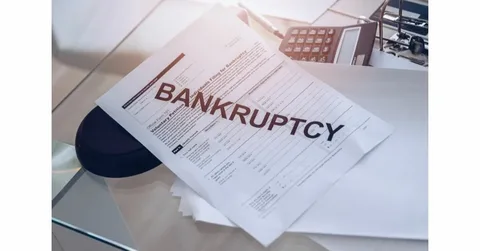
There are several areas in which regulatory failures have contributed to financial distress, collapses, or bankruptcies among Cyprus‑based prop firms. These include weaknesses in licensing oversight, compliance enforcement, risk management, and investor protection.
1. Weak Compliance and Licensing Oversight
Regulatory investigations and actions because of one recurring problem which different firms demonstrate when they fail to fulfill essential operational license requirements. The internal control systems and organisational requirements and client interest assessment processes of investment firms in Cyprus face multiple issues. The absence of compliance monitoring procedures results in operational hazards which make companies susceptible to both financial collapse and government penalties. The ongoing monitoring system in licensed companies fails to prevent operational issues from continuing for multiple years. CySEC has reached settlements with multiple firms which violated regulations through their issues with organisational structure and client communication and handling of conflicts of interest. The financial penalties which follow prolonged periods of noncompliance have resulted in companies losing their operational stability.
2. Inadequate Risk Management Standards
Regulatory frameworks require firms to implement robust risk management policies to protect both the firm and its clients. Yet, numerous proprietors and trading platforms in Cyprus have failed to maintain strong internal controls, leading to risky trading practices, mismanagement of client funds, and unsustainable business models. When these practices come to light, regulatory enforcement can hasten financial collapse or bankruptcy if firms lose client confidence or regulatory support.
3. Insufficient Protection for Client Funds
The primary goal of financial regulation exists to protect client funds through mandatory separation from a firm’s operating capital. The operational capital of prop firms and brokers who conduct business in Cyprus, has shown multiple times that their monetary security, which protects client assets, will fail during times when companies encounter financial difficulties. The absence of adequate protection measures together with insufficient financial examinations, creates a path for organizations to misuse client money which leads directly to their financial collapse.
4. Enforcement Delays and Reactive Regulation
Regulators encounter difficulties because their enforcement actions only begin after companies have committed major violations. The authorities imposed enforcement penalties which included financial penalties and license revocation against companies that maintained their noncompliance for extended time periods. The delays create conditions which permit systemic risks to escalate without control until they reach a point where a company will fail. CySEC demonstrated enforcement through its actions against specific investment firms which resulted in settlement agreements that addressed regulatory violations which had continued for more than two years because of inadequate compliance control.
Examples of Regulatory Actions and Firm Failures
While not all regulatory actions relate to bankruptcies, they illustrate how enforcement and compliance issues can impact the long‑term viability of prop trading firms.
ITrade Global License Cancellation
CySEC revoked the licence of ITrade Global, a Cyprus‑based firm that operated well‑known CFD trading brands, due to weak internal controls, poor risk management, and misleading client communication. The firm faced substantial fines before licence revocation, which showed how regulatory breaches can lead to complete operational collapse.
Compliance Penalties Reflect Weak Controls
Regulatory settlements with firms like FXNET Limited and Purple Trading highlight internal governance and compliance gaps that contributed to sanctions and operational disruptions.
Warnings About Unlicensed Entities
CySEC has also warned traders about unlicensed firms falsely presenting themselves with trading services, illustrating how unregulated operations create risks similar to bankruptcy, with traders left unprotected.
Impact of Regulatory Failures on Traders and Markets
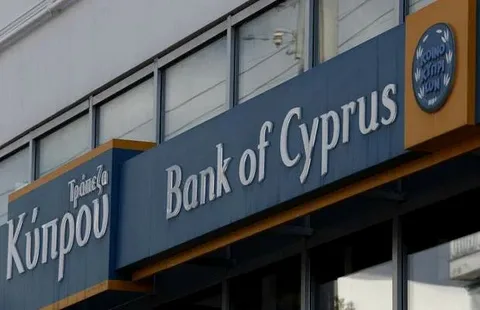
The consequences of cyprus based prop firm bankruptcies and regulatory gaps extend beyond individual firms. These impacts include:
Trader Losses and Reduced Confidence
When firms fail or collapse due to regulatory shortcomings, traders can lose deposits, unrealised profits, or access to capital. This erodes confidence in the regulatory framework and makes traders more hesitant to engage with other authorised firms.
Market Volatility and Reputation Risk
Bankruptcies can lead to negative perceptions about the broader Cyprus financial market. If investors believe regulation is weak, they may divert capital to other jurisdictions, reducing competitiveness for Cyprus‑based firms.
Increased Regulatory Scrutiny and Costs
Regulatory failures often result in tighter compliance requirements, meaning surviving firms face higher costs and more stringent oversight as regulators seek to prevent future collapses.
The Path Forward: Strengthening Regulation and Safety
To reduce the likelihood of cyprus based prop firm bankruptcies caused by regulatory failures, several actions are necessary:
1. Proactive Monitoring and Early Intervention
Regulators should enhance real‑time monitoring to detect compliance issues early and mandate corrective action before problems worsen.
2. Stronger Investor Protection Frameworks
Ensuring legal safeguards such as compensation schemes and mandatory client fund protections can minimise losses when firms fail.
3. Transparent Reporting and Accountability
Regular reporting obligations and transparent disclosures help create accountability and allow stakeholders to assess firm health more accurately.
4. Education for Traders
Educating traders about risks, regulatory status checks, and due diligence helps individuals avoid unlicensed or risky firms before losses occur.
Conclusion
The relationship between regulatory failures and the bankruptcies of Cyprus-based proprietary trading firms demonstrates existing deficiencies in financial supervision systems and investor protection mechanisms and compliance enforcement processes. The operational and governance requirements that proprietary trading firms must follow remain unfulfilled despite Cyprus being an important financial center which maintains strong regulatory bodies such as CySEC. The increase in bankruptcies together with the imposition of sanctions demonstrates how deficiencies in risk management and enforcement practices and licensing oversight and client protection measures create dangerous outcomes for both traders and financial markets. The industry needs regulatory strengthening and active supervision and improved transparency to prevent future failures while achieving more stable operations.
FAQs About Regulatory Failures and Cyprus Based Prop Firm Bankruptcies
1. What are Cyprus based prop firm bankruptcies?
It refers to the collapse or financial failure of proprietary trading firms headquartered in Cyprus, often linked to regulatory problems, poor risk management, or insolvency.
2. Why do regulatory failures occur?
Regulatory failures often happen when oversight, compliance checks, or risk controls are inadequate, allowing firms to continue unsafe or unlawful practices.
3. How does regulation affect prop firm stability?
Strong regulation enforces capital requirements, risk policies, and client protection measures that help prevent financial distress and collapse.
4. Can traders recover funds if a Cyprus prop firm goes bankrupt?
Recovery depends on regulatory compensation schemes, client fund segregation, and legal claims—outcomes vary case by case.
5. How can traders avoid risky prop firms?
Always verify licensing status on the regulator’s official website, check compliance history, and avoid unlicensed or unregulated entities.