


What is B2B SEO and Why It Matters
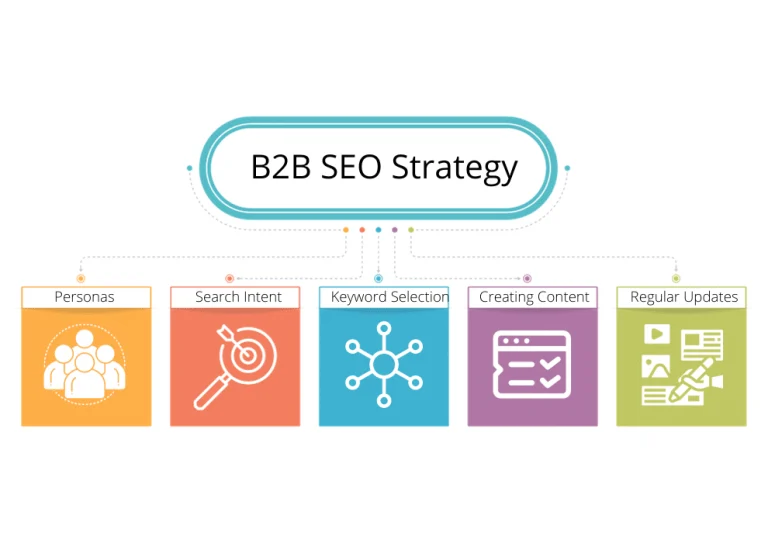
Let’s be real, B2B SEO isn’t just “SEO for businesses.” It’s a completely different game. While B2C SEO focuses on quick purchases and emotional triggers, B2B SEO targets decision-makers who take weeks or even months to finalize a deal. That means your content must educate, build trust, and guide users through a longer buying journey. Think of it like this: B2C is like buying a burger; you see it, you want it, you buy it. But B2B? It’s like choosing a long-term business partner. You research, compare, analyze, and then decide. That’s why 71% of B2B buyers start with a generic search and perform multiple searches before choosing a vendor . Another key difference is keyword intent. B2B users often search for highly specific, technical queries. In fact, long-tail keywords account for around 70% of B2B organic traffic. This means your SEO strategy must go deeper than basic keywords—you need to target niche, intent-driven phrases.
Importance of SEO in B2B Marketing
Now here’s the big question: Is SEO really worth it for B2B? The answer is a massive yes. SEO is not just a marketing tactic it’s a revenue engine. Studies show that SEO directly influences revenue growth for 42% of B2B companies . Even more interesting, SEO generates 3x as many leads as social media for B2B businesses. That’s huge. It means organic search isn’t just bringing traffic—it’s bringing qualified leads. And here’s the kicker: organic search contributes over 44% of B2B revenue and delivers up to 748% ROI . If you’re ignoring SEO, you’re leaving money on the table.
Key Benefits of B2B SEO Solutions
Lead Generation and Conversion
One of the biggest advantages of B2B SEO solutions is their ability to generate high-quality leads. Unlike paid ads, which often attract cold traffic, SEO brings in users who are actively searching for solutions. These users already have intent, which makes them far more likely to convert. In fact, organic traffic converts at around 14.6%, compared to just 1.7% for paid search . That’s not just a small improvement it’s a game changer. Imagine getting leads that are already halfway convinced before they even contact you. The reason behind this is simple: SEO aligns with user intent. When someone searches for “best CRM for small businesses,” they’re not browsing—they’re evaluating. Your job is to show up with the right content at the right time.
Long-Term ROI and Brand Authority
Let’s talk long-term benefits. Paid ads stop the moment you stop paying. But SEO? It keeps working for you 24/7. Once your content ranks, it can generate traffic and leads for months—or even years. Another major benefit is brand authority. When your website consistently appears in search results, people start trusting your brand. You become the “go-to” source in your industry. Plus, companies that publish consistent content see massive results. For example, businesses that post 16+ blogs per month generate 4.5x more leads . That’s the power of consistent, strategic SEO.
Core Components of B2B SEO Strategy
Keyword Research for B2B
Keyword research is the foundation of any successful B2B SEO strategy. But here’s the twist: it’s not about finding the most popular keywords—it’s about finding the right ones.
In B2B, you need to focus on:
- Long-tail keywords
- Industry-specific terms
- Problem-solving queries
Why? Because these keywords reflect real business needs. And when you target them, you attract users who are ready to take action.
Content Marketing Strategy
Content is the heart of B2B SEO. Without high-quality content, your SEO efforts will fall flat. And we’re not talking about short blog posts we’re talking about in-depth, value-packed content. Research shows that content accounts for 82% of B2B SEO success . That means your content strategy needs to be strong.
Think about creating:
- Case studies
- Whitepapers
- Industry guides
- Comparison articles
These formats not only attract traffic but also build trust.
Technical SEO Optimization
Technical SEO is like the engine of your website. You might not see it, but it powers everything. If your site is slow, broken, or poorly structured, your rankings will suffer. For example, websites that load in under 3 seconds see 38% lower bounce rates . That’s a huge difference.
Link Building and Authority
Backlinks are still one of the most important ranking factors. They act as “votes of confidence” from other websites. The more high-quality backlinks you have, the more authority your site gains.
Interestingly, top-ranking pages have 3.8x more backlinks than lower-ranked pages .
Advanced B2B SEO Solutions for 2026
AI-Powered SEO
AI is transforming SEO in ways we couldn’t imagine a few years ago. From keyword research to content creation, AI tools are making SEO faster and smarter.
By 2030, 92% of B2B SEO budgets will include AI and automation . That’s a clear sign that AI is not optional—it’s essential.
Voice Search Optimization
Voice search is another game-changer. Around 47% of B2B queries are voice-based . That means people are searching differently—using questions instead of keywords.
Generative Engine Optimization (GEO)
With AI tools like ChatGPT and Google AI Overviews, SEO is evolving into something new: Generative Engine Optimization (GEO). This focuses on making your content visible in AI-generated answers.
B2B SEO Tools and Platforms
Analytics and Tracking Tools
To succeed in B2B SEO, you need data. Tools like Google Analytics help you track:
- Traffic
- Conversions
- User behavior
Keyword Research Tools
Keyword tools help you discover opportunities and analyze competition. Without them, you’re basically guessing.
Common Challenges in B2B SEO
Long Sales Cycles
B2B sales cycles are long and complex. This makes it harder to track ROI and measure success.
Low Search Volume Keywords
Many B2B keywords have low search volume, but they often have high intent. So don’t ignore them.
Best Practices for B2B SEO Success
Content Depth and Authority
Long-form content performs better. In fact, articles over 2000 words earn 77% more backlinks .
Intent-Based Optimization
Modern SEO is all about understanding user intent. If your content doesn’t match what users are looking for, it won’t rank.
Measuring B2B SEO Performance
KPIs and Metrics
Track metrics like:
- Organic traffic
- Conversion rates
- Keyword rankings
ROI Tracking
Remember, SEO is not just about traffic it’s about revenue.
Future Trends in B2B SEO
AI and Automation
AI will continue to dominate SEO strategies in the coming years.
Personalization in SEO
Personalized content will become more important as user expectations grow.
Conclusion
B2B SEO solutions are no longer optional they’re essential for business growth. From generating high-quality leads to building long-term authority, https://zeltronix.com/edivawer-2/ benefits. The key is to focus on strategy, consistency, and adapting to new trends like AI and GEO.
FAQs
1. What are B2B SEO solutions?
B2B SEO solutions are strategies designed to help businesses rank higher in search engines and attract qualified leads from other businesses.
2. How long does B2B SEO take?
Typically, it takes 3–6 months to see results, but long-term growth can take a year or more.
3. Is SEO better than paid ads for B2B?
SEO often delivers higher ROI and better-quality leads compared to paid ads.
4. What is the most important factor in B2B SEO?
High-quality, intent-driven content is the most critical factor.
5. How is AI changing B2B SEO?
AI is transforming SEO through automation, content creation, and new search experiences like AI-generated answers.


