
Introduction
Digital communication has changed significantly over the past few years. People no longer use online platforms only to exchange messages or find information. They also look for interactive experiences that make conversations more engaging, creative, and personalized. One technology contributing to this change is artificial intelligence (AI), particularly roleplay AI chatbot characters.
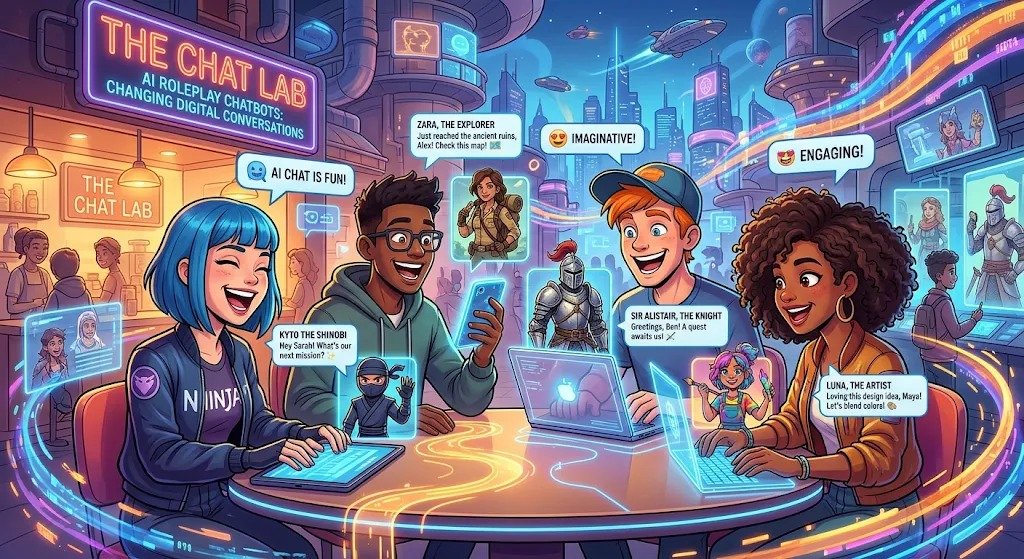
Roleplay AI chatbot characters allow users to interact with virtual personalities through text-based conversations. These characters can take on different personalities, backgrounds, interests, and communication styles, making each interaction feel different. Whether someone wants to enjoy fictional storytelling, practice conversations, explore creative ideas, or simply have an engaging chat, AI-powered characters offer new possibilities.
As AI technology continues to develop, these chatbots are changing how people communicate with digital platforms. They are making online conversations more interactive and introducing new ways to experience entertainment, creativity, and virtual communication.
What Are Roleplay AI Chatbot Characters?
Roleplay AI chatbot characters are artificial intelligence-powered virtual personalities designed to participate in conversations based on specific roles, personalities, or fictional backgrounds. Unlike traditional chatbots that mainly provide predefined answers, roleplay chatbots can generate responses according to conversational context and character descriptions.
For example, a user might interact with a fictional detective, fantasy character, historical personality, friendly companion, or professional mentor. Each character can have a different communication style and personality.
These chatbots use natural language processing and large language models to understand messages and generate relevant responses. Their ability to maintain conversational context helps create more natural interactions.
The main purpose is to provide an experience that feels more like interacting with a character than communicating with a standard automated support system.
How Roleplay AI Chatbot Characters Are Transforming Digital Conversations
The growing popularity of AI-powered communication tools is changing people’s expectations of online interactions. Instead of receiving simple automated responses, users increasingly want conversations that respond to their interests and preferences.
Roleplay AI chatbot characters support this shift in several ways.
1. Making Conversations More Personalized
Personalization is one of the biggest reasons people enjoy interacting with AI characters. Traditional chatbots usually follow predefined conversation paths, which can make interactions feel repetitive.
Roleplay AI chatbots offer more flexible communication. Users can choose characters with particular personalities, interests, and backgrounds. Some platforms also allow users to create their own characters by defining their names, descriptions, behavior, and conversational styles.
This flexibility makes conversations more relevant to individual interests. For example, someone interested in science fiction can interact with a futuristic character, while another user might prefer a friendly character who enjoys discussing everyday topics.
Personalized interactions help make digital conversations more engaging and enjoyable.
2. Encouraging Creative Storytelling
AI roleplay technology is also creating new opportunities for digital storytelling. Instead of simply reading a story, users can participate in its development through conversations.
For example, a user might begin an adventure in a fictional kingdom where an AI character plays the role of a guide, warrior, or mysterious stranger. As the conversation continues, the story can develop based on the user’s decisions and responses.
This interactive approach gives users greater control over storytelling. They can introduce new situations, change the direction of a story, and explore different fictional scenarios.
Writers and creative individuals may also use roleplay AI chatbot characters to experiment with dialogue, develop character personalities, and overcome creative blocks.
3. Creating More Natural Online Interactions
People generally prefer conversations that feel natural rather than mechanical. AI chatbot technology is improving its ability to understand language, recognize conversational context, and generate responses that match the discussion.
Modern AI systems can consider previous messages when producing new responses. This helps maintain continuity and reduces the need for users to explain the same information repeatedly.
For example, if someone is discussing a fictional adventure with an AI character, the chatbot may use details from earlier messages to keep the conversation consistent.
However, conversational quality depends on the platform, underlying AI model, and available memory features. Not every chatbot can remember information across separate conversations.
Popular Uses of Roleplay AI Chatbot Characters
Roleplay chatbots are not limited to entertainment. Their flexible conversational abilities make them useful in several areas.
Entertainment and Virtual Companionship
Entertainment is one of the most common applications of AI roleplay characters. Users can interact with fictional personalities, explore different scenarios, and enjoy conversations based on their interests.
Some people also use these platforms for casual conversations or virtual companionship. The experience can provide an interactive way to spend time, although users should remember that AI characters are software rather than real people.
Language Learning and Communication Practice
AI characters can also support language-learning activities. Users may practice everyday conversations by interacting with characters in different situations.
For example, someone learning English could practice ordering food at a restaurant, asking for directions, or introducing themselves to a new person.
These interactions provide opportunities to improve vocabulary, sentence structure, and conversational confidence. However, AI-generated corrections should be checked when accuracy is important.
Writing and Character Development
Writers often need to create believable characters with different personalities and communication styles. Roleplay AI chatbot characters can help them experiment with dialogue and fictional situations.
A writer might interact with a chatbot as a fictional character to explore how that character responds to different events. This can help generate ideas for stories, scripts, and creative projects.
AI-generated suggestions should still be reviewed and edited to maintain originality and writing quality.
Learning Through Simulated Scenarios
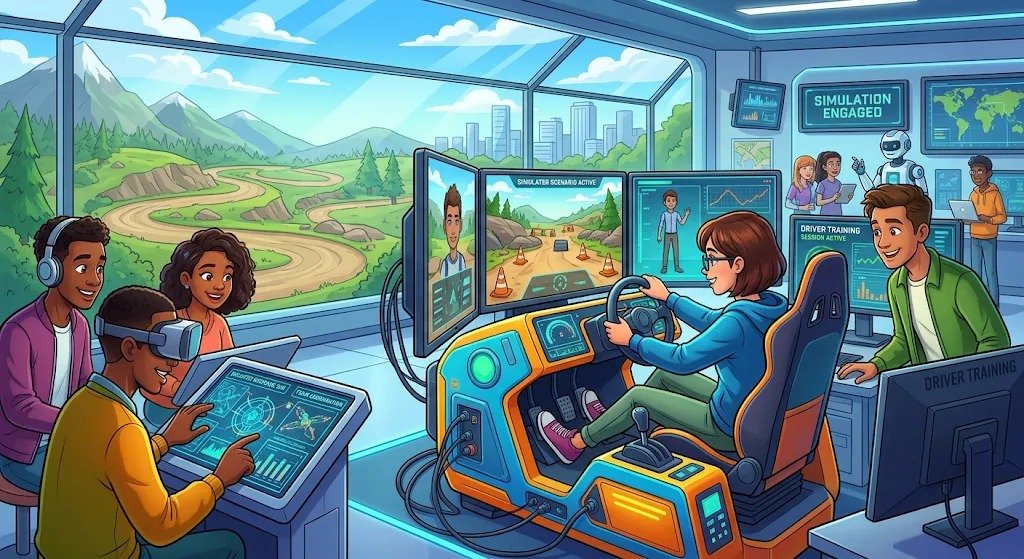
AI roleplay characters can also be used to simulate different conversations. Students might practice interviews, workplace discussions, or customer-service situations.
These simulations allow users to explore possible responses without the pressure of a real-world interaction. They can repeat scenarios and experiment with different communication approaches.
Important Features to Look for in Roleplay AI Chatbot Platforms
Not every AI chatbot platform provides the same experience. Understanding the available features can help users select a platform that matches their needs.
Some important features include:
Custom Character Creation: The ability to create characters with unique personalities, descriptions, backgrounds, and communication styles.
Contextual Conversations: AI systems that consider previous messages can provide more consistent and relevant responses.
Personality Customization: Different character traits and conversational styles help users create more personalized interactions.
Interactive Storytelling: Some platforms support fictional scenarios that develop according to user input.
User-Friendly Interface: A simple interface makes it easier to discover characters, start conversations, and manage interactions.
Privacy Controls: Clear privacy policies and account settings help users understand how their messages and personal information are handled.
Before choosing a platform, users should review its features, usage limitations, pricing, and privacy practices.
Benefits of Using Roleplay AI Chatbot Characters
The increasing interest in AI-powered roleplay platforms reflects several potential benefits.
First, they offer flexibility. Users can explore different characters and conversational scenarios without needing to follow a fixed storyline.
Second, they encourage creativity. Interactive storytelling gives users opportunities to develop ideas, explore fictional worlds, and experiment with different personalities.
Third, they provide convenient access to conversational practice. People can explore simulated situations whenever they have time, making these tools useful for informal learning and communication exercises.
Another benefit is accessibility. Many platforms are available through websites or mobile applications, allowing users to access AI conversations from different devices.
Despite these advantages, AI chatbots can sometimes generate inaccurate information, misunderstand context, or produce inconsistent character responses. Users should approach AI-generated content thoughtfully and avoid treating fictional interactions as professional advice.
Challenges and Privacy Considerations
Although roleplay AI chatbot characters offer interesting opportunities, they also introduce certain challenges.
One important concern is data privacy. Conversations may contain personal details, preferences, or sensitive information. Users should review platform privacy policies and understand whether their messages are stored or used to improve AI systems.
Another challenge is maintaining realistic expectations. AI characters can generate convincing dialogue, but they do not have human emotions, personal experiences, or genuine relationships.
Content moderation is also important. Platforms should provide appropriate safety controls, reporting options, and clear community guidelines.
Users should be especially careful when sharing personal information or interacting with unfamiliar platforms. Choosing services with transparent privacy practices can help create a safer experience.
The Future of Roleplay AI Chatbot Characters
The future of AI-powered conversations will likely involve more advanced personalization, improved contextual understanding, and additional interactive features.
As AI models develop, roleplay characters may become better at maintaining consistent personalities and responding to complex conversational situations. Some platforms may also introduce more advanced voice interactions, visual character experiences, and multimedia storytelling.
These developments could make digital conversations more immersive and accessible.
However, the future success of roleplay AI chatbot characters will depend on more than technological improvements. Privacy protection, responsible AI development, transparency, and user control will remain important factors.
Platforms that balance engaging experiences with responsible design may become more attractive to users looking for meaningful digital interactions.
Conclusion
Roleplay AI chatbot characters are changing digital conversations by introducing personalized interactions, creative storytelling, and flexible communication experiences. Unlike traditional automated chatbots, they allow users to explore different personalities, participate in fictional scenarios, and practice conversations in a more interactive environment.
From entertainment and language practice to writing and creative exploration, these AI-powered characters offer several possibilities for modern digital communication.
As artificial intelligence continues to evolve, roleplay chatbots may become even more sophisticated. By understanding their features, benefits, and limitations, users can make informed decisions and enjoy these tools responsibly.
Ultimately, roleplay AI chatbot characters represent an interesting development in how people interact with technology, making digital communication more creative, interactive, and personalized.