

Introduction
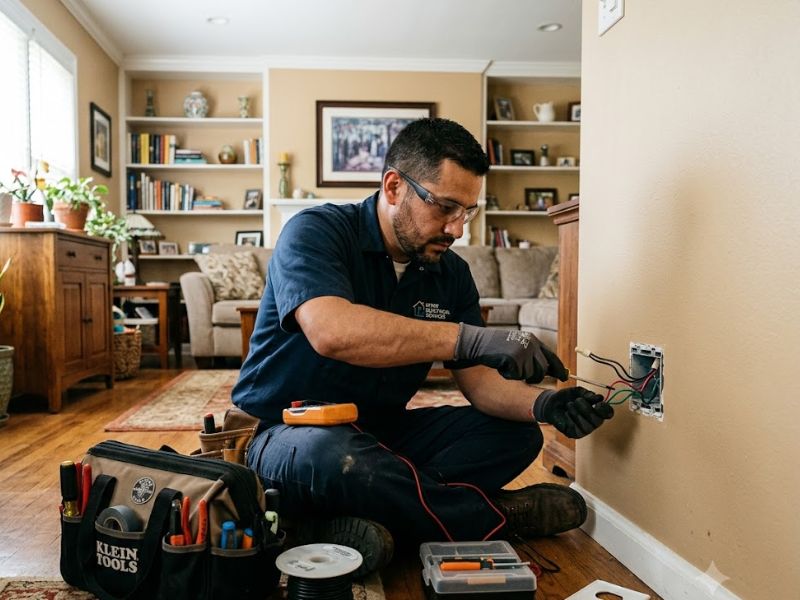
When it comes to keeping your home safe and functional, hiring an electrician for home repairs is one of the smartest decisions you can make. Electrical systems power everything from lighting and appliances to heating and security systems, making them an essential part of daily life. While some homeowners may attempt DIY electrical fixes, even minor mistakes can lead to electrical shocks, fires, or costly damage. A qualified electrician has the knowledge, tools, and experience to diagnose problems safely and perform repairs according to local electrical codes. In this guide, you’ll learn about the services offered by an electrician for home repairs, the average costs involved, and practical safety tips to help protect your family and property.
Why Hire an Electrician for Home Repairs?
Electrical work requires technical expertise and strict safety standards. Hiring a licensed professional ensures every repair is completed correctly and efficiently. An experienced electrician can identify hidden issues before they become expensive emergencies, saving you time, money, and stress.
Some key benefits include:
- Safe and code-compliant electrical repairs
- Accurate diagnosis of electrical problems
- Professional installation of new electrical components
- Long-lasting repair solutions
- Reduced risk of electrical fires and accidents
Whether you’re dealing with flickering lights, faulty outlets, or outdated wiring, a professional electrician provides peace of mind.
Electrician for Home Repairs: Common Services
An electrician for home repairs can handle a wide range of residential electrical issues. These services help maintain your home’s safety, efficiency, and reliability.
Electrical Wiring Repairs
Damaged or aging wiring is one of the leading causes of electrical hazards. Electricians inspect wiring systems, replace damaged cables, and upgrade outdated electrical connections to meet modern safety standards.
Circuit Breaker Repairs
Circuit breakers protect your home from overloads and short circuits. If breakers frequently trip or fail to reset, an electrician can determine the cause and replace faulty components if necessary.
Outlet and Switch Replacement
Loose, damaged, or outdated electrical outlets and switches should be replaced promptly. Modern outlets also include safety features such as GFCI protection for kitchens, bathrooms, and outdoor areas.
Ceiling Fan and Light Fixture Installation
Professional installation ensures lighting fixtures and ceiling fans operate safely while improving your home’s appearance and energy efficiency.
Electrical Panel Upgrades
Older electrical panels may not support today’s increased power demands. Upgrading your panel improves safety and allows your home to handle additional appliances and devices.
Indoor and Outdoor Lighting
Electricians install security lighting, landscape lighting, recessed lighting, and energy-efficient LED systems to improve visibility and reduce electricity costs.
Smoke Detector Installation
Properly installed smoke detectors provide early warning during emergencies and help protect your family from fire hazards.
Signs You Need an Electrician for Home Repairs
Recognizing electrical warning signs early can prevent serious problems. Contact a professional if you notice:
- Frequently tripping circuit breakers
- Flickering or dimming lights
- Burning smells from outlets
- Warm electrical switches or outlets
- Sparking outlets
- Buzzing sounds from electrical panels
- Power outages affecting specific rooms
- Old aluminum or knob-and-tube wiring
Ignoring these issues can increase the risk of electrical fires and costly repairs.
Average Costs of Home Electrical Repairs
The cost of electrical repairs depends on the complexity of the job, labor rates, and the materials required.
Typical price ranges include:
- Outlet replacement: $75–$200
- Light switch replacement: $50–$150
- Ceiling fan installation: $150–$400
- Circuit breaker replacement: $150–$350
- Electrical panel upgrade: $1,000–$3,500
- Whole-house rewiring: $4,000–$15,000
Emergency services outside regular business hours may cost more due to additional labor charges.
Safety Tips for Homeowners
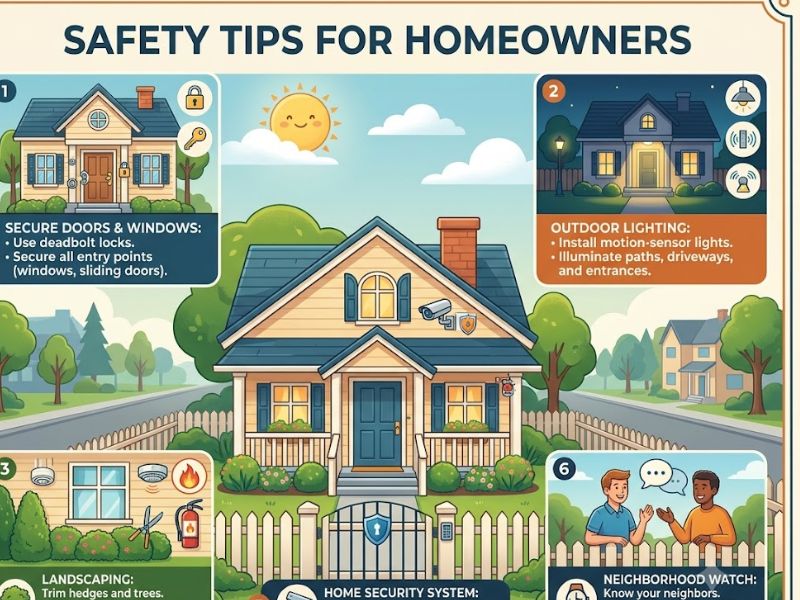
Electrical safety should always be a priority. While professionals should handle major repairs, homeowners can follow these tips to reduce risks.
Never Overload Electrical Outlets
Using too many high-powered devices on one outlet can overheat wiring and increase the risk of fire.
Replace Damaged Cords Immediately
Frayed or cracked power cords expose live wires and should never be used.
Keep Water Away from Electricity
Always avoid operating electrical devices near water unless they are specifically designed for wet environments.
Test GFCI Outlets Regularly
Ground Fault Circuit Interrupter (GFCI) outlets protect against electrical shocks. Test them monthly to ensure they function correctly.
Schedule Regular Electrical Inspections
Older homes should have periodic electrical inspections to identify hidden hazards before they become dangerous.
Leave Complex Repairs to Professionals
Electrical systems can be dangerous even after the power is turned off. Always hire qualified professionals for repairs involving wiring, breaker panels, or major installations.
How to Choose the Right Electrician
Finding the right electrician ensures quality workmanship and long-term safety.
Look for these qualifications:
- Valid license and insurance
- Positive customer reviews
- Transparent pricing
- Experience with residential electrical work
- Written estimates before starting work
- Warranty on labor and materials
Comparing multiple quotes can help you find the best balance between price and quality.
Benefits of Professional Electrical Repairs
Professional repairs provide more than just convenience. They help improve your home’s overall safety, efficiency, and value.
Advantages include:
- Lower risk of electrical fires
- Better energy efficiency
- Longer lifespan of electrical systems
- Compliance with local building codes
- Increased property value
- Reliable performance of electrical appliances
Professional repairs also reduce the chances of recurring electrical problems, saving money over time.
Conclusion
Hiring an electrician for home repairs is an investment in your home’s safety, comfort, and long-term reliability. From repairing faulty wiring and replacing damaged outlets to upgrading electrical panels and installing modern lighting, professional electricians ensure every job is completed safely and efficiently. Instead of risking injury through DIY electrical work, trust a qualified expert who understands electrical systems and follows proper safety standards. Regular maintenance and timely repairs not only protect your family but also help prevent expensive future problems.
FAQs
1. Why should I hire an electrician for home repairs?
A licensed electrician ensures electrical repairs are completed safely, correctly, and according to local building codes.
2. How much does an electrician for home repairs typically charge?
Costs vary depending on the repair, but most residential electrical jobs range from $75 to several thousand dollars for major upgrades.
3. Can I repair electrical outlets myself?
Simple tasks may seem easy, but electrical repairs can be dangerous. It’s safest to hire a professional electrician.
4. How often should a home’s electrical system be inspected?
Experts recommend inspections every 3–5 years, or sooner for older homes and after major renovations.
5. What are the most common home electrical problems?
Common issues include faulty outlets, tripping circuit breakers, flickering lights, outdated wiring, overloaded circuits, and damaged electrical panels.