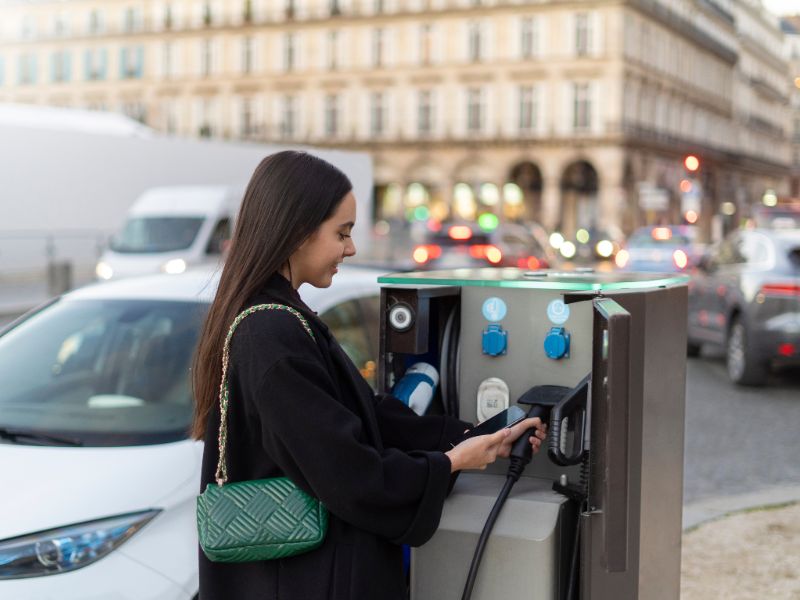

Germany maintains its status as one of Europe’s leading markets for electric vehicles, which continues to grow. The country expands its charging network at a fast pace because more people adopt electric vehicles, the government provides strong support, and private companies invest in the industry. The latest EV charging news from Germany highlights major improvements in ultra-fast charging networks, smart energy integration, rural expansion projects, and regulatory reforms designed to accelerate the transition to clean mobility. As 2026 unfolds, Germany’s EV charging landscape is becoming more reliable, accessible, and technologically advanced than ever before.
Government Policies Driving EV Charging Expansion
The federal government of Germany has played a vital part in promoting electric vehicle infrastructure development. The updated climate policies have created new funding programs that will support the installation of public and private charging stations. The German government has dedicated billions of euros to developing fast-charging networks, which will cover both highways and urban areas, according to recent EV charging news. The countrywide system will enable drivers to locate charging stations that operate at short distances from their current location. The 2026 regulations will allow the authorities to create more efficient systems for issuing permits to build EV charging stations. The previous system of bureaucratic procedures created obstacles that delayed infrastructure development. The current rules enable operators to build charging stations at a faster pace than before. The policy change will help Germany achieve its goal of deploying millions of electric vehicles throughout the country by the year 2030. The government has extended financial support for residential electric vehicle charging stations in both homes and apartment buildings. The charging system provides each resident who lacks a personal garage with dependable electric vehicle charging access throughout Germany. The ongoing public policy changes show how they continue to guide the development of clean transportation systems in the country.
Growth of Ultra-Fast Charging Networks
Expansion Along Highways
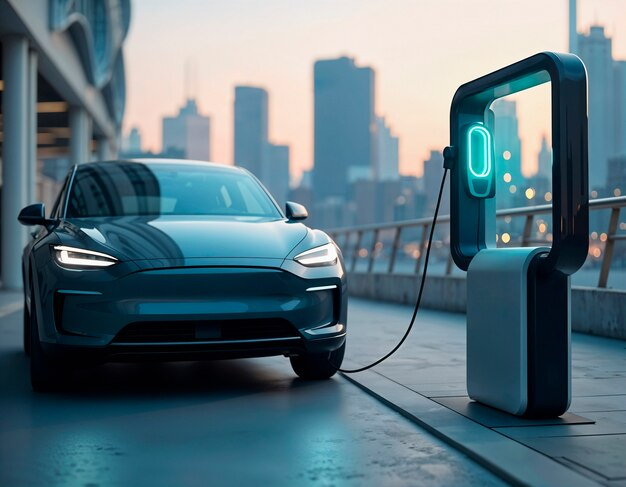
The most important development in electric vehicle charging news for Germany involves the quick development of ultra-fast charging stations. The primary highway system now includes high-power charging stations, which provide power between 150 kW and 350 kW. The system enables electric vehicle operators to complete an 80 percent charge within 20 minutes,s which helps them travel faster during extended trips. Ionit,y EnB, W, and Aral Pulse lead this expansion because they operate as the main companies in this market. The Autobahn system of Germany has become one of the most electric vehicle-friendly highway networks in Europe because of its financial backing. The ultra-fast charging network enables international travelers to access Germany while driving to its neighboring nations.
Urban Fast-Charging Hubs
Beyond highways, urban areas are witnessing the rise of centralized charging hubs. The hubs contain numerous high-capacity chargers, which operators set up at supermarket parking lots, shopping centers, and public transport stations. The 2026 EV charging in Germany update shows that cities like Berlin, Munich, and Hamburg are prioritizing high-density infrastructure to meet increasing demand.
Integration of Renewable Energy and Smart Charging
Germany’s dedication to renewable energy sources directly influences its development of electric vehicle charging stations. The installation of new charging stations uses renewable energy sources from solar and wind power to decrease the carbon emissions associated with electric vehicle travel. According to the latest EV charging news in Germany, operators are investing in battery storage systems to stabilize the grid and store excess renewable energy for peak usage times. Smart charging technology is another breakthrough in 2026. Smart systems allow vehicles to charge during off-peak hours when electricity prices are lowe,r and grid demand is reduced. This not only saves money for EV owners but also improves energy efficiency nationwide. The introduction of vehicle-to-grid (V2G) technology enables electric vehicles to supply power back to the electrical grid during critical times.
Rural Infrastructure Development
The rural areas of Germany developed electric vehicle charging infrastructure at a slower pace than its urban centers,s which experienced rapid growth. The latest electric vehicle charging developments in Germany show that the country aims to develop its regions in an equal manner. Government-funded programs now prioritize smaller towns and remote areas to ensure equal access to EV charging stations. The introduction of mobile charging units and community charging solutions aims to provide service in locations that currently lack permanent infrastructure. The initiative provides support to the tourism industry, agricultural sector, and small enterprise,s which depend on dependable transportation. The expansion of electric vehicle charging stations in Germany to rural locations will increase national electric vehicle usage while decreasing driver range anxiety.
Private Sector Investments and Market Competition

Germany’s electric vehicle charging market is experiencing growing competition among its market participants. The three main business sectors, which include energy companies, automotive manufacturers, and startups, are making substantial investments to build their essential infrastructure. Service quality improvements, transparent pricing systems, and new subscription options for regular customers have emerged as a result of market competition. Automakers are also playing a direct role. Volkswagen, BMW, and Mercedes-Benz work together with charging network providers to create charging systems that both look good and function properly for their patrons. This collaboration improves user experience while bringing faster electric vehicle adoption throughout the nation. The market outlook remains strong, as analysts predict continued double-digit growth in EV charging Germany’s infrastructure investments over the next several years. The present developments demonstrate that Germany leads other European nations in electric mobility transformation.
Conclusion
The Latest EV Charging Developments in Germany (2026 Update) demonstrate remarkable progress in infrastructure expansion, renewable integration, and technological innovation. Germany establishes a complete electric vehicle ecosystem, which will endure through upcoming developments by constructing ultra-fast highway chargers, implementing smart grid systems, and developing programs for rural communities. The most recent EV charging newsfrom Germany highlights a coordinated effort between government authorities and private companies to support sustainable transportation goals. Germany will establish one of the most advanced and accessible electric vehicle charging systems in the world through ongoing investments and emerging technologies.
FAQs About EV Charging in Germany
1. How fast can EVs charge in Germany in 2026?
Many new ultra-fast chargers offer speeds between 150 kW and 350 kW, allowing vehicles to reach 80% charge in about 20 minutes, depending on the model.
2. Is EV charging widely available across Germany?
Yes, EV charging Germany infrastructure has expanded significantly, covering highways, cities, and increasingly rural areas.
3. Are charging stations powered by renewable energy?
Many stations now integrate solar and wind energy, aligning with Germany’s sustainability goals.
4. Is home charging supported by the government?
Yes, subsidies and incentives are available for installing private and residential EV charging stations.
5. What is the future of EV charging in Germany?
Based on current EV charging news Germany, continued investment, smart charging technology, and renewable integration will drive strong growth through 2030 and beyond.