
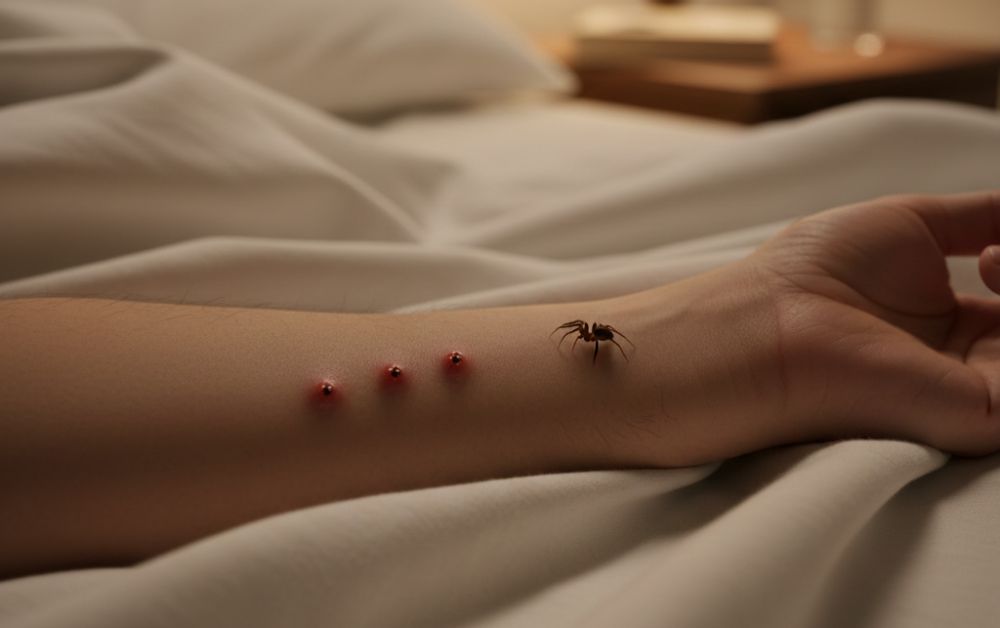

Waking up with unexplained bites or itchy red marks can be unsettling, especially when the thought of spider bites in bed crosses your mind. For many people, this concern triggers anxiety, sleepless nights, and a flood of questions. Are spiders really biting while we sleep? Is it dangerous? And most importantly, how can it be prevented? While spider bites in bed are less common than many believe, the fear surrounding them is very real. Understanding the facts can help replace worry with reassurance and practical action.
Why Spider Bites in Bed Feel So Alarming
The bedroom is meant to be a place of comfort and safety, so discovering bite-like marks after sleeping can feel deeply disturbing. The idea that spiders may be crawling in bed overnight feeds into a natural fear of the unseen. However, spiders generally do not seek out humans. Most bites occur only when a spider feels trapped or threatened, such as when it is accidentally pressed against skin during sleep.Often, spider bites in bed are suspected when the real cause may be something else entirely. Mosquitoes, bed bugs, mites, allergic reactions, or skin irritations can closely mimic the appearance of spider bites. This confusion adds to the anxiety and makes it harder to pinpoint the true cause.
Do Spiders Actually Bite Humans While Sleeping?
In reality, spiders are shy, solitary creatures that prefer dark, undisturbed areas. They do not feed on human blood and have no reason to intentionally bite people. Spider bites in bed usually happen by accident, often when a spider becomes trapped in bedding or clothing. When this happens, the spider may bite defensively to escape.True spider bites are relatively rare and often go unnoticed at first. Many people never realize they have been bitten until mild symptoms appear. In most cases, the bite causes minimal discomfort and heals on its own without medical intervention.
Common Symptoms of Spider Bites in Bed
Spider bites can vary in appearance depending on the species and individual reaction. Typically, they appear as small red bumps, sometimes with a pale center. Mild itching, slight swelling, or tenderness may occur around the area. These symptoms are often similar to other insect bites, making identification difficult.In rare cases, certain spiders can cause more noticeable reactions, such as increased pain or blistering. However, severe symptoms are uncommon and usually associated with specific species. Most spider bites in bed are harmless and resolve within a few days with basic care.
Why Spider Bites Are Often Misdiagnosed
One of the biggest challenges with spider bites in bed is misdiagnosis. Because spiders are rarely seen biting, people often assume a spider is responsible when other insects are the true cause. Bed bugs, in particular, are frequently mistaken for spiders due to bite patterns that appear overnight.Skin conditions such as eczema, hives, or allergic reactions can also mimic the look of insect bites. This overlap makes it essential to consider all possibilities rather than jumping to conclusions. Misdiagnosis can lead to unnecessary fear and ineffective treatments.
How Spiders End Up in Beds
Spiders may enter bedrooms accidentally while searching for food, shelter, or warmth. They are often drawn indoors by other insects, which serve as their primary food source. Clutter, cracks in walls, open windows, and stored items under the bed can create ideal hiding spots.Once inside, a spider may wander onto a bed by chance. This does not mean the bed is infested or unsafe. In most cases, the presence of a spider is temporary and does not indicate an ongoing problem.
Preventing Spider Bites in Bed Naturally
Preventing spider bites in bed starts with reducing the chances of spiders entering the bedroom in the first place. Keeping the room clean and clutter-free removes hiding places. Regularly washing bedding and vacuuming around the bed helps discourage insects that attract spiders.Sealing cracks, repairing window screens, and keeping beds slightly away from walls can also reduce spider access. Natural deterrents such as essential oils are sometimes used for peace of mind, though cleanliness and exclusion remain the most effective strategies.
What to Do If You Suspect a Spider Bite
If you believe you have a spider bite, staying calm is important. Gently clean the area with soap and water and apply a cool compress to reduce swelling. Most spider bites in bed require no special treatment and heal on their own.If symptoms worsen, persist, or cause significant discomfort, seeking medical advice can provide reassurance. Keeping a photo of the bite and noting when it appeared may help with evaluation. Prompt attention is especially important if signs of infection or severe reaction develop.
Emotional Impact of Spider Bite Fears
The fear of spider bites in bed can affect sleep quality and overall well-being. Anxiety may lead to restlessness, frequent checking of bedding, or difficulty relaxing at night. Understanding that spider bites are rare and usually harmless can help restore a sense of control.Creating a calm bedtime routine and maintaining a clean, organized sleeping space can ease fears. Knowledge replaces imagination, and informed awareness often brings the greatest comfort.
When to Seek Professional Help
If concerns about spider bites in bed persist despite preventive measures, a professional inspection may help. Pest control experts can assess whether spiders or other insects are present and recommend appropriate solutions. This step often brings peace of mind, even when no infestation is found.Medical professionals should be consulted if bites show signs of infection, increasing pain, or unusual symptoms. Early evaluation ensures proper care and eliminates unnecessary worry.
Conclusion
Spider bites in bed are far less common than many people fear, and most suspected cases turn out to have other explanations. Spiders are not aggressive toward humans and bite only in rare, defensive situations. By understanding how spiders behave, recognizing common symptoms, and taking simple preventive steps, it is possible to sleep peacefully without constant concern. Knowledge, cleanliness, and calm awareness are the most effective tools for turning fear into reassurance.
FAQs about Pider Bites in Bed
Are spider bites in bed dangerous?
Most spider bites in bed are harmless and cause only mild symptoms that resolve on their own.
How can I tell if a bite is from a spider?
It can be difficult to tell, as many insect bites look similar. A spider bite is often a single bite rather than a cluster.
Do spiders intentionally crawl into beds?
No, spiders do not seek out beds or humans and usually end up there by accident.
What is often mistaken for spider bites in bed?
Bed bugs, mosquitoes, mites, and allergic reactions are commonly mistaken for spider bites.
How can I prevent spider bites while sleeping?
Keeping the bedroom clean, sealing entry points, washing bedding regularly, and reducing clutter can help prevent spiders from entering the bed.
