

Introduction
Technology has become an essential part of everyday life. People use digital platforms for communication, shopping, banking, education, and business operations. While these technologies offer convenience and efficiency, they also create new opportunities for cybercriminals. As more personal and business information moves online, protecting digital systems has become increasingly important.
A cyberattack can affect individuals, organizations, government institutions, and even critical infrastructure. Attackers use different techniques to access confidential information, disrupt services, steal money, or damage computer networks. In 2026, the growing use of artificial intelligence, cloud computing, connected devices, and remote working environments is creating new cybersecurity challenges.
Understanding how cyberattacks are changing can help individuals and businesses recognize potential risks and take appropriate precautions. Strong cybersecurity practices, effective data protection strategies, and regular security updates are essential for maintaining a safer digital environment.
What Is a Cyberattack?
A cyberattack is an attempt to access, damage, disrupt, or steal information from computers, networks, applications, or digital systems without proper authorization. These attacks may target individuals, businesses, financial institutions, healthcare organizations, and government agencies.
Cybercriminals use different methods depending on their objectives. Some attacks focus on stealing passwords and financial information, while others attempt to interrupt business operations or gain control of computer systems.
For example, a phishing attack may trick an employee into sharing login credentials through a fake email. Similarly, ransomware can encrypt important business files and demand payment before restoring access.
Cyberattacks can happen through email, malicious websites, vulnerable software, unsecured networks, and compromised devices. Their consequences may include financial losses, privacy violations, reputational damage, and operational disruptions.
Why Cyberattacks Are Increasing in 2026
The digital landscape continues to expand, creating more opportunities for cybercriminals. Several factors are contributing to the changing cybersecurity environment.
Growing Dependence on Digital Technology
Businesses increasingly rely on online applications, cloud platforms, digital payment systems, and connected devices. Although these technologies improve productivity, they also introduce additional security risks.
Every connected system can potentially become an entry point for attackers if it is not properly protected.
Increasing Use of Artificial Intelligence
Artificial intelligence is changing how cybercriminals create and deliver attacks. AI tools can help attackers produce convincing phishing messages, imitate communication styles, and automate certain malicious activities.
These developments make some fraudulent messages harder to identify. However, cybersecurity professionals also use AI to analyze suspicious activity, detect unusual behavior, and improve threat monitoring.
Remote Work and Cloud Computing
Remote working has become common across many industries. Employees frequently access company systems through home networks, personal devices, and cloud-based applications.
If these environments lack appropriate security controls, attackers may find opportunities to access sensitive business information.
More Sophisticated Cyber Threats
Cybercriminals continuously adapt their methods to avoid detection. They may combine social engineering, stolen credentials, malicious software, and software vulnerabilities to achieve their objectives.
As a result, organizations need security strategies that can respond to changing threats rather than relying only on traditional protection methods.
Common Types of Cyberattacks in 2026
Understanding common cyberattack methods is an important step toward improving digital security.
1. Phishing Attacks
Phishing is a technique in which attackers use fraudulent emails, messages, or websites to trick people into revealing sensitive information.
These messages may appear to come from banks, delivery companies, employers, or familiar online services. Victims may be asked to click suspicious links, download attachments, or provide passwords.
Organizations can reduce phishing risks through employee awareness training, email security tools, and multi-factor authentication.
2. Ransomware Attacks
Ransomware is malicious software designed to block access to files or computer systems, often by encrypting data. Attackers may demand money in exchange for a decryption key.
Such attacks can seriously disrupt business operations, particularly when organizations cannot access important records or applications.
Maintaining secure backups, applying software updates, and limiting unnecessary access can help reduce ransomware risks.
3. Distributed Denial-of-Service Attacks
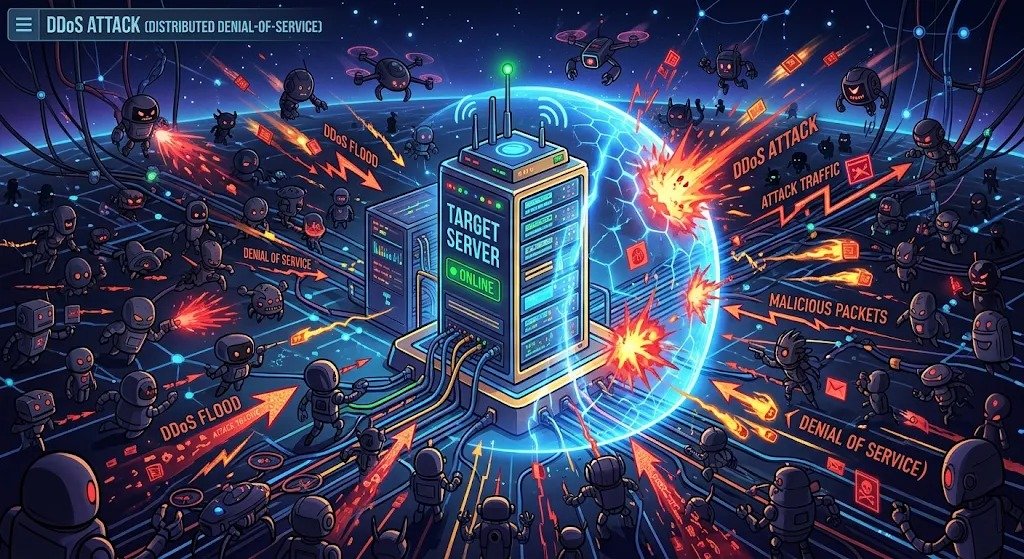
A distributed denial-of-service (DDoS) attack attempts to overwhelm an online service with excessive traffic from multiple sources.
This can make websites, applications, or online services unavailable to legitimate users.
Businesses that depend on digital services may experience lost revenue and reduced customer confidence during such disruptions.
4. Malware Attacks
Malware refers to harmful software designed to damage systems, steal information, or gain unauthorized access.
Common examples include spyware, trojans, worms, and viruses. Malware can enter devices through suspicious downloads, infected attachments, compromised websites, or untrusted applications.
Using reputable security software and avoiding unknown downloads can help reduce exposure.
5. Password and Credential Attacks
Attackers often attempt to access accounts using stolen, reused, or weak passwords.
Credential stuffing is one example. It involves using previously exposed username and password combinations to attempt access to other accounts.
Using unique passwords, password managers, and multi-factor authentication can make unauthorized access more difficult.
How Cyberattacks Affect Individuals and Businesses
The impact of a cyberattack depends on the target, the information involved, and the attacker’s objectives.
For individuals, cyberattacks may result in stolen identities, compromised financial accounts, privacy violations, and unauthorized access to personal information.
For businesses, the consequences can be even broader. A successful attack may interrupt daily operations, expose customer information, damage company reputation, and create significant recovery expenses.
Small businesses can be particularly vulnerable when they lack dedicated cybersecurity teams or sufficient security resources.
Cyberattacks can also affect public services and essential infrastructure. Disruptions to healthcare systems, transportation networks, or energy services may create risks beyond financial losses.
These challenges demonstrate why cybersecurity should be treated as an important part of modern digital operations.
The Role of AI in Modern Cyberattacks
Artificial intelligence is becoming an important factor in the cybersecurity industry. It can support both attackers and security professionals.
Cybercriminals may use AI to generate convincing fraudulent messages, automate repetitive tasks, and adapt social engineering techniques. AI-generated voice or image impersonation can also make certain scams more difficult to recognize.
On the defensive side, cybersecurity teams use AI-powered systems to identify unusual network activity, analyze large volumes of security information, and detect suspicious login patterns.
Machine learning can help security systems recognize behaviors that differ from normal activity. This may allow organizations to investigate potential threats more quickly.
However, AI is not a complete cybersecurity solution. Automated systems can produce false alerts or miss certain attacks. Human expertise, security policies, and regular monitoring remain essential.
Warning Signs of a Potential Cyberattack
Recognizing unusual activity early can help reduce the damage caused by a cyberattack.
Some common warning signs include:
- Unexpected password reset notifications.
- Unknown login attempts or unfamiliar account activity.
- Unusual system slowdowns or unexpected crashes.
- Suspicious emails requesting confidential information.
- Files becoming inaccessible without explanation.
- Unexpected software installations or security warnings.
- Unusual network traffic or unexplained account changes.
Not every unusual event indicates a cyberattack, but suspicious activity should be investigated promptly.
Individuals should secure affected accounts, while businesses should follow their incident response procedures and contact appropriate security professionals.
Effective Ways to Prevent Cyberattacks
Preventing every cyberattack is difficult, but adopting strong cybersecurity practices can significantly reduce risks.
Use Strong and Unique Passwords
Avoid using the same password across multiple accounts. Password managers can help users create and store complex passwords securely.
Multi-factor authentication adds another layer of protection by requiring additional verification during login.
Keep Software Updated
Operating systems, applications, routers, and security tools should receive regular updates. These updates often include fixes for known security vulnerabilities.
Ignoring updates can leave devices exposed to attacks that exploit outdated software.
Train Employees and Users
Human error remains an important cybersecurity challenge. Regular training can help people identify suspicious emails, fraudulent websites, and social engineering attempts.
Employees should understand how to report unusual activity and handle confidential information.
Maintain Secure Data Backups
Regular backups can help organizations recover important information after ransomware incidents, accidental deletion, or system failures.
Backups should be protected from unauthorized access and periodically tested to confirm that recovery is possible.
Protect Networks and Devices
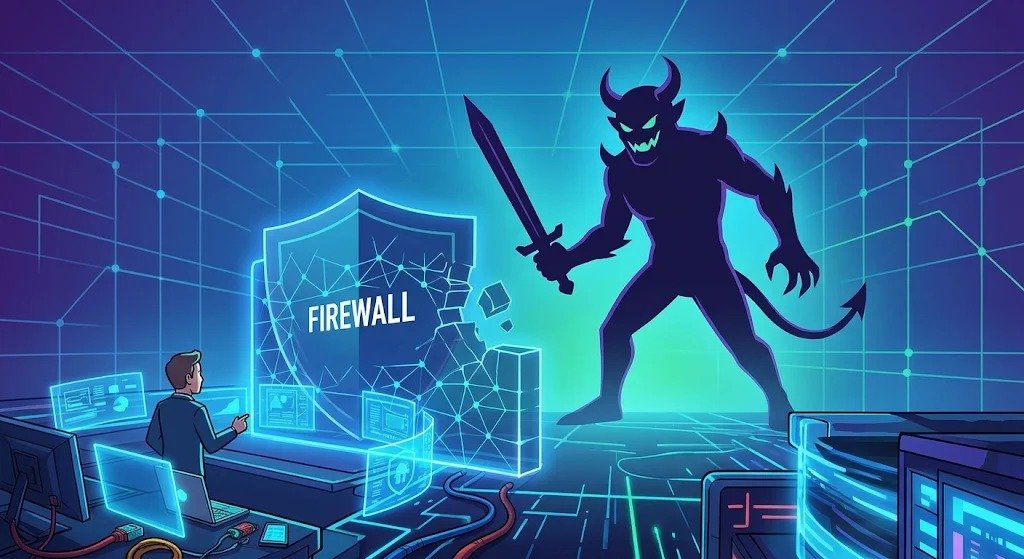
Firewalls, endpoint protection, secure Wi-Fi configurations, and network monitoring can help prevent unauthorized access.
Businesses should also limit user permissions so employees can access only the information required for their responsibilities.
Develop an Incident Response Plan
Organizations should prepare for potential security incidents before they occur.
An incident response plan should explain how to identify a threat, isolate affected systems, protect important information, communicate with relevant stakeholders, and restore normal operations.
Having a clear plan can reduce confusion and support faster recovery.
The Future of Cybersecurity
Cybersecurity will continue to evolve as digital technologies become more advanced. Artificial intelligence, cloud computing, connected devices, and automation will influence how organizations protect their systems.
Future security strategies are likely to place greater emphasis on continuous monitoring, identity verification, automated threat detection, and proactive vulnerability management.
The zero-trust security approach is also gaining attention. It follows the principle of verifying every access request instead of automatically trusting users or devices based on their network location.
Organizations may increasingly combine AI-powered monitoring with human security expertise to identify suspicious behavior and respond to incidents.
At the same time, cybersecurity awareness will remain important. Technology alone cannot eliminate every risk, so individuals and businesses must continue improving their security habits.
Conclusion
Cyberattacks are changing the digital security landscape in 2026 as technology expands and cybercriminals adopt increasingly sophisticated methods. From phishing and ransomware to credential theft and AI-assisted scams, modern cyber threats can affect individuals, businesses, and essential services.
Understanding these risks is the first step toward stronger digital protection. Using unique passwords, enabling multi-factor authentication, updating software, maintaining secure backups, and educating users can help reduce the chances of successful attacks.
As digital dependence continues to grow, cybersecurity and data protection will become even more important. Individuals and organizations that adopt proactive security practices will be better prepared to recognize threats, protect sensitive information, and maintain trust in an increasingly connected world.