
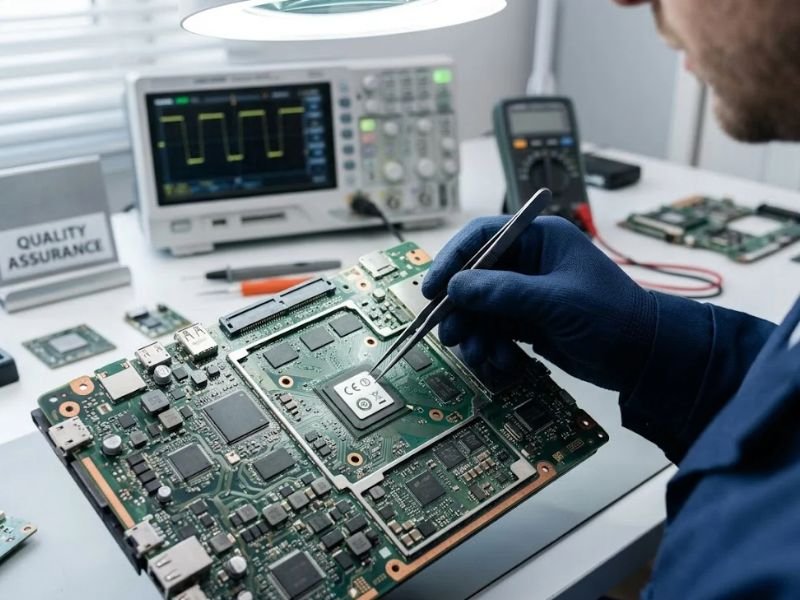

Buying electronics is more convenient than ever before. With online retail, a person can buy smart devices from several retailers at the same time and in one place. Having multiple online retail options creates an environment where a consumer has to evaluate if a seller is legitimate. With online retailers proliferating and third-party marketplaces springing up, customers are forced to determine the validity of the product on sale. This is where Verified Electronics becomes important. Checking product authenticity, seller credibility, warranty coverage, and technical specifications helps consumers make informed purchasing decisions and avoid unnecessary risks.
What Are Verified Electronics?
“Verified” electronic products can mean a few things depending on how and by whom the verification process was conducted. In the retail world, a product might be verified by ensuring the serial number matches, the item was obtained from a known and reputable distributor, or by re-checking a returned item. Online marketplaces might try to verify sellers in an attempt to build consumer confidence, but a listing marked as verified can be misleading and not always be what you think. Buyers should research the terms of verification for the particular product.
How Verified Electronics Help Protect Buyers
When you’re buying electronics, one of the risks is ending up with something that isn’t real. You might get a device that’s poorly built or a used one that’s been made to look new. Fake electronics are made to look like the thing, but inside they’re not good quality. The parts won’t last long. Could even be dangerous. There are steps you can take to lower this risk.
The easiest is to do some research. Look closely at the product details, the seller, and the company that made it. Check the model number carefully. Does the box look like the brand’s packaging? Is there a warranty? Can you reach customer support? You can go to the manufacturer’s website to check if the serial number is valid or if the product is registered.
Why Product Quality and Safety Matter
Electronic devices often hold batteries, charging circuits, power adapters, and other parts that must work properly. Badly. Fake accessories can fail to give the right protection or performance. This is very important when I buy phone chargers, power banks, laptop adapters, or other rechargeable gadgets.
I always look for safety certificates where they exist and I double‑check that the product fits my equipment. I also only buy from sellers. A label that says the product is verified is not enough on its own. I read the manuals, check all safety marks, and heed every warning from the maker. If an electronic device gets warm if a cable breaks or if a battery bulges I stop using that device right away.
Verified Electronics and Warranty Protection
Warranty coverage can really help when buying technology. I have noticed that a real product bought from a seller may get manufacturer support, repairs, or replacement under the warranty terms. However, warranty rules change by brand, country, product type and seller. Some devices sold through channels may have only limited regional support while refurbished products may come with a separate seller warranty. Before buying buyers should check the warranty duration, who will provide the service, and which problems the warranty covers. When considering Verified Electronics, it is helpful to distinguish between product authentication and warranty eligibility because they are related but not identical.
How to Check Electronics Before Buying Online
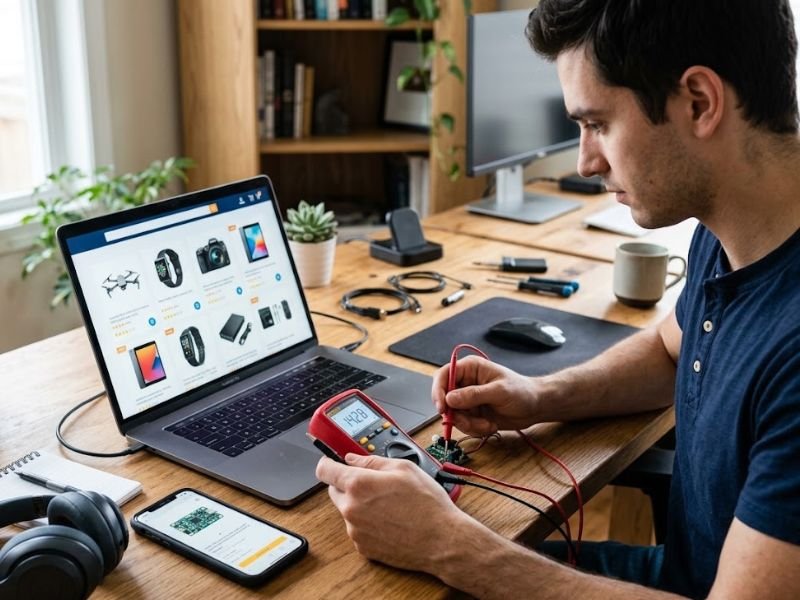
Consumers should take practical steps to evaluate a technology product before ordering. First, research the seller. Check the seller’s contact information, the seller’s return policy the seller’s customer reviews, and the seller’s history of selling products. Be cautious when a listing has no seller details or when the listing uses suspiciously low prices to attract buyers. Next compare the product’s model number and specifications with information on the manufacturer’s website.
Pay attention to the products storage capacity, the product’s supported connectivity, the product’s included accessories the product’s regional compatibility, and the product’s exact condition. If the device is refurbished or used, the listing should clearly disclose that information. These simple checks can make shopping for Verified Electronics more transparent and help consumers avoid preventable problems.
The Importance of Trusted Sellers and Customer Reviews
A trustworthy seller gives honest descriptions. They answer your questions. Explain their policies in a way you can understand. Authorized retailers might feel safer because they get products through official channels. Even then, you should still check the sale terms and warranty details. Customer reviews can help you learn about delivery times, how the product’s packed, customer support, and how well the product works. Don’t take reviews as proof the item is real. Look for detailed feedback from many different places. Don’t just trust a few positive comments.
Long-Term Value of Buying Verified Electronics
The lowest advertised price is not always the value. A cheap device might break sooner have limited help. Surprise you with repair bills. A real product from a seller can give you better long‑term value through solid performance, easy service, and clear warranty coverage. This does not mean every discount is bad. Seasonal sales, refurbished items, and clearance deals can be ways to save. The key is to know why the price is lower and to check the product’s condition, the seller’s reputation, and the protections that apply.
Conclusion
Verified electronics matter a lot. Verified electronics help consumers look past pictures and price tags when buying tech. Checking authenticity, seller reputation, safety information, warranty coverage, and checking return policies can reduce uncertainty. Help consumers make more confident decisions. Even though verification labels and marketplace badges can be useful, consumers should always understand what verification labels mean. What evidence backs verification labels? Combining product checks with research and secure purchasing practices is one of the best ways to shop for electronics responsibly.
Frequently Asked Questions
1. What does Verified Electronics mean?
The term generally refers to electronic products whose authenticity, specifications, or seller details have been verified. The precise meaning depends on the company or platform using the label.
2. How can I check whether an electronic product is genuine?
Compare its model number and specifications with the manufacturer’s official information, investigate the seller, and use official serial-number verification tools where available. Keep proof of purchase and check warranty eligibility.
3. Are verified electronics always safe?
Not necessarily. Verification may cover only certain details, and it does not guarantee that every unit is defect-free. Review applicable safety information and inspect products for damage or signs of poor quality.
4. Should I buy electronics from authorized sellers?
Buying from an authorized seller can provide greater confidence in product authenticity and access to manufacturer support. Still, check the seller’s status, warranty terms, and return policy before ordering.
5. Are refurbished electronics worth buying?
Refurbished electronics can offer good value when their condition is clearly described and they come with reliable testing, a fair return policy, and suitable warranty coverage. Buyers should check battery health and included accessories when relevant.